


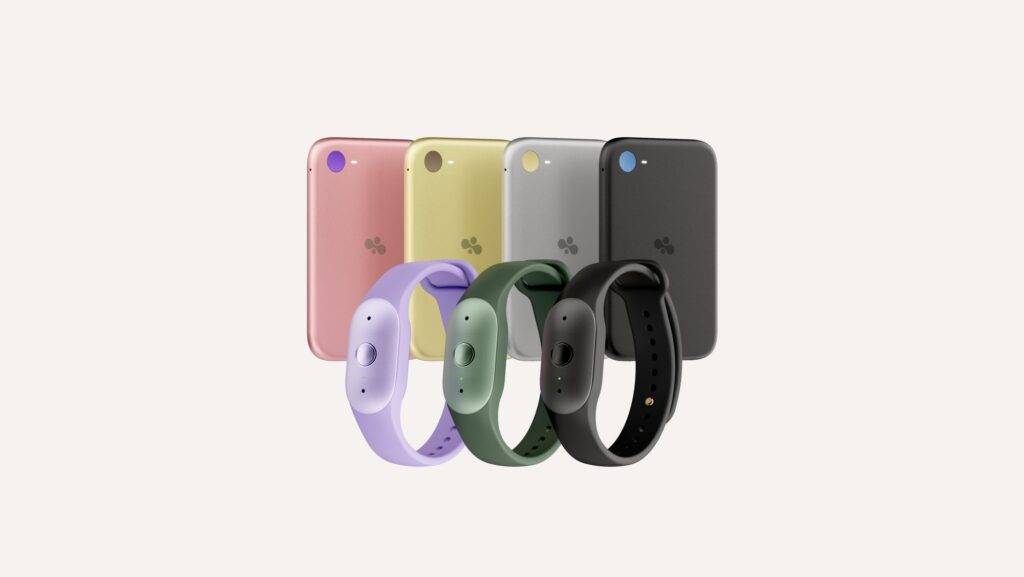
As technology companies develop AI devices that can listen to conversations and remember details from everyday activities, protecting personal information is becoming a bigger challenge.
Amazon has now entered this market with two new devices that can record conversations, generate summaries, and create reminders, which immediately raises concerns about how people around them are informed about recordings and how their information is handled.
The company introduced Bee Frontier and Bee Eclipse on October 15, 2026. While Amazon says the devices include privacy protections, a former Amazon Web Services (AWS) security engineer has questioned whether those measures are enough to protect people who have not agreed to be recorded.
How Amazon’s New AI Wearables Work
Bee Frontier is a $74.99 wristband that can be clipped onto clothing, while Bee Eclipse is a magnetic phone attachment priced at $99.99. Both devices use microphones to capture conversations when activated and turn them into summaries, reminders, insights, and to-do lists.
Users can connect Bee to services such as Gmail, Google Calendar, and Microsoft Outlook to draft follow-up emails and create calendar invitations based on conversations. Additional integrations with Alexa+ and Amazon.com allow users to retrieve their summaries and receive shopping recommendations based on items mentioned in conversations.
These features are part of Amazon’s broader effort to make AI more useful in everyday activities. However, they also mean the devices can handle information from personal conversations, workplace meetings, and other interactions that may involve people who have not chosen to use the technology.
Why the Recording Controls Are Raising Concerns
Amazon says both devices have a physical button to control audio processing and an indicator light that shows when recording is active. Bee Eclipse also prompts users to seek permission from call participants when recording begins.
However, Jeff Williams, a former senior principal security engineer at Amazon Web Services, criticised the safeguards in comments reported by GeekWire. He argued that the system places too much responsibility on the person wearing the device rather than giving other participants a clear way to refuse recording.
Williams also questioned whether people would notice the indicator light if the device were covered by clothing or outside their field of view during a video call.
The concern is very relevant in workplaces, where conversations may involve confidential business information, customer details, or sensitive discussions. A device owner’s decision to record a meeting does not automatically mean every participant has agreed to it.
According to GeekWire, Amazon pointed to its existing privacy controls but did not directly respond to Williams’ criticism.
What Happens to Recorded Conversations?
Amazon says its Bee Private Compute system processes audio in a secure environment and deletes the original audio after processing. Transcripts are encrypted, and users can delete their stored conversations and summaries through the Bee app.
However, the resulting transcripts and summaries can remain available to users after the audio has been deleted. Amazon also explains that information shared with connected third-party services becomes subject to those services’ privacy policies.
This distinction matters because deleting the original recording does not necessarily mean every piece of information derived from that conversation has disappeared. Users also need to understand what happens to information they choose to share with other applications.
Amazon has provided controls for managing recordings and stored information, but these measures do not still fully address the question of consent from people nearby.
The Challenge of Making AI Wearables Private
Amazon’s launch highlights a wider issue facing companies developing AI-powered devices that collect information from everyday interactions. The technology can help users organise their schedules and remember important details, but it also creates questions about consent, data retention, and the sharing of personal information.
There is currently no reported evidence that Bee Frontier or Bee Eclipse has caused a privacy breach. But there are concerns on whether the available safeguards adequately protect people who interact with device owners.
As AI wearables become more common, clear recording indicators, meaningful consent procedures, and transparent data-handling policies will be important in determining how comfortably people can use them around others and in their everyday life.
