


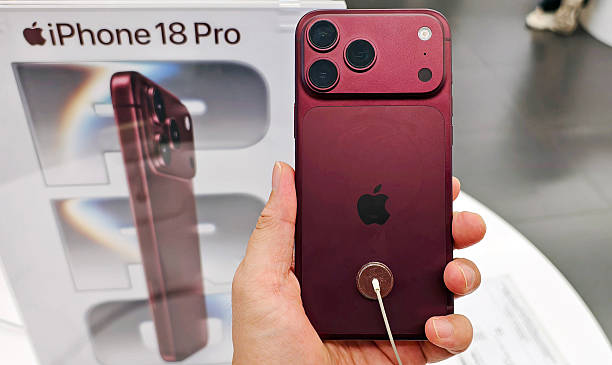
Apple has reportedly instructed some suppliers to reduce component orders for the iPhone 18 Pro and iPhone 18 Pro Max by at least 15% in October, less than a month after both phones went on sale.
The move, reported by Nikkei Asia in early October, follows signs of weaker demand for Apple’s latest premium smartphones as rising chip costs push prices higher.
What the Reported Order Cuts Cover
Nikkei cited people familiar with Apple’s supply chain, including a senior executive who said October component orders for both Pro models had fallen by between 15% and 20% compared with the original requests.
The changes affect selected suppliers, whose production schedules differ. However, it remains unclear whether Apple will reduce November orders as well, as the percentage refers to parts ordered for manufacturing and does not establish an equivalent decline in phones sold to customers.
One supplier executive told Nikkei that they did not know how orders would develop beyond October, highlighting the uncertainty surrounding Apple’s next production decisions.
Following the report, Apple’s shares fell more than 2.5% in early trading on October 9.
For context, Apple introduced the iPhone 18 Pro and Pro Max on September 9, with sales starting September 18. Both devices feature the A20 Pro chip and updated cameras, including a variable-aperture main camera.
However, the iPhone 18 Pro now starts at $1,199, while the Pro Max starts at $1,299, each costing $100 more than its predecessor.
The increases come as technology companies compete for memory chips used in AI data centres, limiting supplies and driving up costs for phones and computers. Apple had already raised MacBook and iPad prices in June, citing the higher cost of memory and storage components.
Apples New Launch Schedule Complicates the Picture
This year’s iPhone release also looks different. Apple launched its Pro models in September without the standard iPhone 18, however, it is expected for release in early 2027. Its first foldable iPhone, the Duo, is scheduled to reach stores on October 23.
According to Nikkei, the changed launch schedule might partly be a response to the less demand.
What Comes Next for Apple
The wider smartphone market is under pressure. According to Counterpoint Research, its estimates show global shipments fell 20% in the third quarter of 2026, even though Apple’s market share reached 22%.
Apple is scheduled to report its fiscal fourth-quarter results on November 2, and these figures will cover the first days of iPhone 18 Pro sales. As such, the company’s outlook could provide more context on demand for the rest of the year.
