

Close Menu

    Stay Ahead with Exclusive Updates!

    Enter your email below and be the first to know what’s happening in the ever-evolving world of technology!

    What's Hot

    Project Sunrise: A Jeff Bezos’ Blue Origin Plan for AI Data Centers in Space

    March 28, 2026

    The H200 Pivot: Why the U.S. Just Let Nvidia Back Into China

    March 27, 2026

    “Deceptive Empathy”: Why AI Therapists Still Fail Critical Safety Tests

    March 27, 2026
    Facebook X (Twitter) Instagram
    Facebook X (Twitter)
    PhronewsPhronews
    • Home
    • Big Tech & Startups

      Project Sunrise: A Jeff Bezos’ Blue Origin Plan for AI Data Centers in Space

      March 28, 2026

      Big Tech Turns to Debt Markets to Fund Massive AI Infrastructure Spending

      March 26, 2026

      Atlassian Layoffs 2026: Why 1,600 Jobs Were Cut to Fund AI

      March 25, 2026

      The AI Chip War Is Changing — Nvidia’s Deal With Groq Signals a New Strategy

      March 25, 2026

      OpenAI IPO Explained: What Investors and Users Should Expect in 2026

      March 24, 2026
    • Crypto

      Quantum Computing Advances Force Coinbase and Institutional Custodians to Rethink Crypto Security

      March 8, 2026

      AI Assisted Hacking Groups Target Crypto Firms With Multi-Layered Social Engineering

      February 18, 2026

      Global Crypto Regulations Expand as 2026 Begins With New Data Collection Frameworks and National Laws

      January 16, 2026

      Coinbase Bets on Stablecoin and On-Chain Growth as Key Market Drivers in 2026 Strategy

      January 10, 2026

      Tether Faces Ongoing Transparency Questions and Reserve Scrutiny Amid Massive Bitcoin Accumulation

      January 5, 2026
    • Gadgets & Smart Tech
      Featured

      AirPods Max 2: USB-C, Live Translation, and the H2 Upgrade

      By preciousMarch 26, 2026
      Recent

      AirPods Max 2: USB-C, Live Translation, and the H2 Upgrade

      March 26, 2026

      How ABB and Nvidia are Perfecting Industrial Robotics using AI Simulation

      March 20, 2026

      Neura Robotics Reaches €4B Valuation With Tether Backing

      March 12, 2026
    • Cybersecurity & Online Safety

      3 Million Device Botnet Taken Down: What You Need to Know

      March 27, 2026

      Can AI Hack You Before Hackers Do? How RunSybil Is Changing Cyber Defense

      March 25, 2026

      Why Investors Just Put $120M Into Non-Human Identity Security — A Growing Cybersecurity Gap

      March 23, 2026

      Beyond the Firewall: Why Google’s Purchase of Wiz is a Wake-Up Call for Enterprise Security

      March 19, 2026

      Hyper-Scale Hacking: Why Your Traditional Security is No Match for AI-Driven Cybercrime

      March 17, 2026
    PhronewsPhronews
    Home»Cybersecurity & Online Safety»3 Million Device Botnet Taken Down: What You Need to Know
    Cybersecurity & Online Safety

    3 Million Device Botnet Taken Down: What You Need to Know

    fariehanBy fariehanMarch 27, 2026No Comments
    Facebook Twitter Pinterest LinkedIn WhatsApp Reddit Tumblr Email
    Share
    Facebook Twitter LinkedIn Pinterest Email

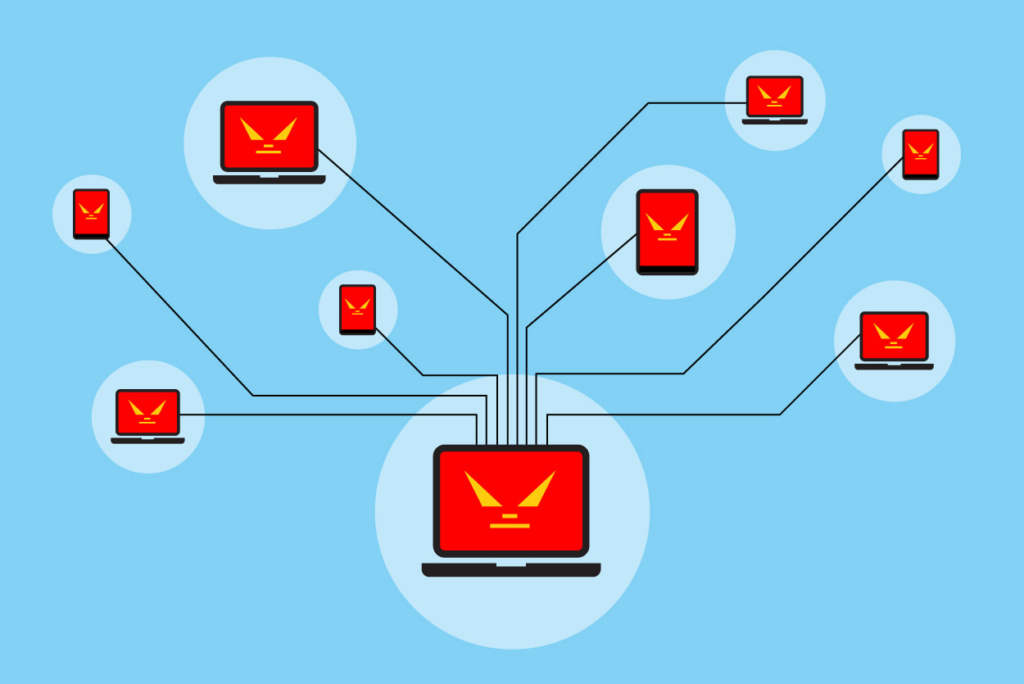
    In March 2026, authorities around the world announced a major success in cybersecurity after they shut down a 3 million device botnet. This criminal network took over millions of devices connected to the internet. 

    Because these devices were controlled by criminals, they could be used to attack websites, slow down services, and cause problems for businesses and individuals. 

    To stop this, law enforcement agencies in the United States, Germany, and Canada worked closely with cybersecurity companies. As a result, the attackers lost control of the devices and could no longer carry out their attacks.

    How the Botnet Worked

    To understand the significance of what happened, it is important to know how these botnets worked. First, attackers scanned the internet for devices with weak passwords or outdated software. 

    Once they found a vulnerable device, they installed malware and secretly took control of it. Then, the infected device became part of a larger network controlled by the criminals.

    After enough devices were infected, attackers sent instructions to all of them at the same time. The devices then flooded targeted websites with massive amounts of traffic. Because millions of devices acted together, the attacks became extremely powerful. 

    Also, some attacks reached more than thirty terabits per second, which overwhelmed servers and caused online services to go offline. As a result, businesses and users experienced slowdowns and outages.

    What Happened in the 3 Million Device Botnet Takedown

    First, investigators found the main structure of four big botnets called Aisuru, Kimwolf, JackSkid, and Mossad. After identifying which devices were infected, authorities quickly took control of the domains and servers the criminals used. 

    At the same time, cybersecurity experts studied the network traffic from the botnets to understand how widespread the problem was. Because of these actions, millions of devices were removed from the network and the attackers could not continue their operations.

    Why the Botnet Takedown Matters

    This incident matters greatly because it removed a massive attack network from the hands of criminals. 

    However, it also showed how vulnerable our everyday devices are. Many routers, cameras, and smart devices still use weak passwords or outdated software. Therefore, attackers could exploit these weaknesses to build new botnets in the future.

    In addition, the scale of this botnet shows how quickly cyber threats can grow. When millions of devices are compromised, attackers can disrupt major online services. Because of this, both individuals and organizations face increasing cybersecurity risks.

    Could Your Devices Be Affected

    Even though authorities shut down these threats, many devices still remain at risk. A smart TV, router, or home security camera can become infected without obvious signs. Sometimes users notice slower performance or unusual internet activity but many infected devices hardly show any changes. 

    Because of this, users should assume that any unsecured device could be vulnerable. At the same time, organizations should monitor their networks for unusual activity. By taking these precautions, users can reduce the chance that their devices join another botnet.

    How to Protect Yourself Going Forward

    To reduce the risk, users should replace default passwords with strong credentials. They should also enable automatic updates so devices receive security fixes promptly.

    In addition, connect smart devices like TVs and cameras to a different WiFi network if possible. This way, if one device gets hacked, attackers cannot easily access your phone or laptop. You should also watch for unusual internet activity, such as slow speeds or unknown devices connected to your WiFi. 

    However, attackers will never stop searching for vulnerable devices so this botnet takedown is definitely not a permanent solution. Ultimately, the ball is in the user’s court and they must take all necessary measures to protect their devices to prevent cases like this in the future. 

    3 million device botnet botnet attack botnet news botnet takedown camera hacking compromised devices cyber attack 2026 cyber awareness Cyber Defense cyber hygiene Cyber Threats Cybercrime Cybersecurity News cybersecurity tips DDoS attack device protection device security digital safety Digital Security hacked devices hacker attacks hacker prevention hacker threat home network safety internet of things IoT malware IoT security IT security malware attack malware protection malware takedown network security online privacy online safety protect devices router vulnerabilities security breaches security tips Security Updates smart device hacking smart home security
    Share. Facebook Twitter Pinterest LinkedIn Tumblr Telegram Email
    fariehan

    Related Posts

    Can AI Hack You Before Hackers Do? How RunSybil Is Changing Cyber Defense

    March 25, 2026

    Why Investors Just Put $120M Into Non-Human Identity Security — A Growing Cybersecurity Gap

    March 23, 2026

    Beyond the Firewall: Why Google’s Purchase of Wiz is a Wake-Up Call for Enterprise Security

    March 19, 2026

    Comments are closed.

    Top Posts

    MIT Study Reveals ChatGPT Impairs Brain Activity & Thinking

    June 29, 2025

    Coinbase responds to hack: customer impact and official statement

    May 22, 2025

    From Ally to Adversary: What Elon Musk’s Feud with Trump Means for the EV Industry

    June 6, 2025

    Coinbase Hack 2025: Everything we know so far.

    May 21, 2025
    Don't Miss
    Artificial Intelligence & The Future

    Project Sunrise: A Jeff Bezos’ Blue Origin Plan for AI Data Centers in Space

    By preciousMarch 28, 2026

    Blue Origin, the space company founded by Jeff Bezos, has filed a formal application with…

    The H200 Pivot: Why the U.S. Just Let Nvidia Back Into China

    March 27, 2026

    “Deceptive Empathy”: Why AI Therapists Still Fail Critical Safety Tests

    March 27, 2026

    Project Terafab: Elon Musk’s $20B Bet to Break the Nvidia Monopoly

    March 27, 2026
    Stay In Touch
    • Facebook
    • Twitter
    About Us
    About Us

    Evolving from Phronesis News, Phronews brings deep insight and smart analysis to the world of technology. Stay informed, stay ahead, and navigate tech with wisdom.
    We're accepting new partnerships right now.

    Email Us: info@phronews.com

    Facebook X (Twitter) Pinterest YouTube
    Our Picks
    Most Popular

    MIT Study Reveals ChatGPT Impairs Brain Activity & Thinking

    June 29, 2025

    Coinbase responds to hack: customer impact and official statement

    May 22, 2025

    From Ally to Adversary: What Elon Musk’s Feud with Trump Means for the EV Industry

    June 6, 2025
    © 2025. Phronews.
    • Home
    • About Us
    • Get In Touch
    • Privacy Policy
    • Terms and Conditions

    Type above and press Enter to search. Press Esc to cancel.