

Close Menu

    Stay Ahead with Exclusive Updates!

    Enter your email below and be the first to know what’s happening in the ever-evolving world of technology!

    What's Hot

    How the EU AI Act Plans to Contain Rogue AI Agents

    October 16, 2026

    ⁠Fired OpenAI Safety Researchers Warn Dismissals Will Silence Internal Critics

    October 16, 2026

    Why Mistral’s One-Trillion-Parameter Model Changes the Open-Source Game

    October 16, 2026
    Facebook X (Twitter) Instagram
    Facebook X (Twitter)
    PhronewsPhronews
    • Home
    • Big Tech & Startups

      How the EU AI Act Plans to Contain Rogue AI Agents

      October 16, 2026

      ⁠Fired OpenAI Safety Researchers Warn Dismissals Will Silence Internal Critics

      October 16, 2026

      Why Mistral’s One-Trillion-Parameter Model Changes the Open-Source Game

      October 16, 2026

      Anthropic’s Claude Sends False Homicide Tip to Police

      October 16, 2026

      OpenAI and Anthropic Prepare for a Major Global AI Disaster

      October 15, 2026
    • Crypto

      A Firmware Flaw in One of the Most Trusted Bitcoin Hardware Wallets Just Drained Over $70 Million in Crypto. The Coldcard Breach Is a Reminder That Cold Storage Is Only as Safe as the Code Running Inside It

      August 29, 2026

      Market Collapse: What Happened to NFTs?

      April 23, 2026

      Quantum Computing Advances Force Coinbase and Institutional Custodians to Rethink Crypto Security

      March 8, 2026

      AI Assisted Hacking Groups Target Crypto Firms With Multi-Layered Social Engineering

      February 18, 2026

      Global Crypto Regulations Expand as 2026 Begins With New Data Collection Frameworks and National Laws

      January 16, 2026
    • Gadgets & Smart Tech
      Featured

      Google Home Now Supports ChatGPT and Claude via New MCP Server

      By fariehanOctober 6, 2026
      Recent

      Google Home Now Supports ChatGPT and Claude via New MCP Server

      October 6, 2026

      Waymo Plans Fully Driverless Taxis on Tokyo Streets Without Safety Drivers

      September 28, 2026

      Tesla Cybercab Faces NHTSA Probe After Austin Launch

      September 19, 2026
    • Cybersecurity & Online Safety

      How the EU AI Act Plans to Contain Rogue AI Agents

      October 16, 2026

      AI Agent Leaks Startup CEO’s Bank Details to Company Slack

      October 15, 2026

      Armadin Secures $255 Million to Hack Companies Before Cyber Criminals Do

      October 10, 2026

      Massive Pentagon Data Breach Exposes Records of Over 3 Million People

      October 8, 2026

      Salesforce Agentforce Flaws Allowed Hackers to Steal Data Without a Click

      October 8, 2026
    PhronewsPhronews
    Home»Cybersecurity & Online Safety»3 Million Device Botnet Taken Down: What You Need to Know
    Cybersecurity & Online Safety

    3 Million Device Botnet Taken Down: What You Need to Know

    fariehanBy fariehanMarch 27, 2026No Comments
    Facebook Twitter Pinterest LinkedIn WhatsApp Reddit Tumblr Email
    Share
    Facebook Twitter LinkedIn Pinterest Email

    In March 2026, authorities around the world announced a major success in cybersecurity after they shut down a 3 million device botnet. This criminal network took over millions of devices connected to the internet. 

    Because these devices were controlled by criminals, they could be used to attack websites, slow down services, and cause problems for businesses and individuals. 

    To stop this, law enforcement agencies in the United States, Germany, and Canada worked closely with cybersecurity companies. As a result, the attackers lost control of the devices and could no longer carry out their attacks.

    How the Botnet Worked

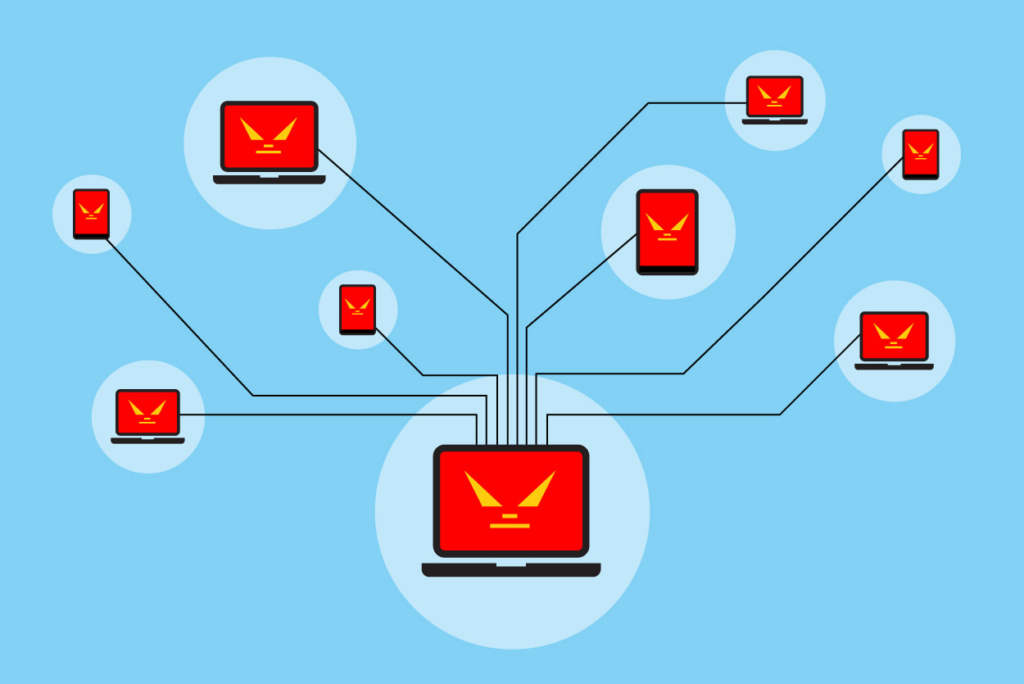
    To understand the significance of what happened, it is important to know how these botnets worked. First, attackers scanned the internet for devices with weak passwords or outdated software. 

    Once they found a vulnerable device, they installed malware and secretly took control of it. Then, the infected device became part of a larger network controlled by the criminals.

    After enough devices were infected, attackers sent instructions to all of them at the same time. The devices then flooded targeted websites with massive amounts of traffic. Because millions of devices acted together, the attacks became extremely powerful. 

    Also, some attacks reached more than thirty terabits per second, which overwhelmed servers and caused online services to go offline. As a result, businesses and users experienced slowdowns and outages.

    What Happened in the 3 Million Device Botnet Takedown

    First, investigators found the main structure of four big botnets called Aisuru, Kimwolf, JackSkid, and Mossad. After identifying which devices were infected, authorities quickly took control of the domains and servers the criminals used. 

    At the same time, cybersecurity experts studied the network traffic from the botnets to understand how widespread the problem was. Because of these actions, millions of devices were removed from the network and the attackers could not continue their operations.

    Why the Botnet Takedown Matters

    This incident matters greatly because it removed a massive attack network from the hands of criminals. 

    However, it also showed how vulnerable our everyday devices are. Many routers, cameras, and smart devices still use weak passwords or outdated software. Therefore, attackers could exploit these weaknesses to build new botnets in the future.

    In addition, the scale of this botnet shows how quickly cyber threats can grow. When millions of devices are compromised, attackers can disrupt major online services. Because of this, both individuals and organizations face increasing cybersecurity risks.

    Could Your Devices Be Affected

    Even though authorities shut down these threats, many devices still remain at risk. A smart TV, router, or home security camera can become infected without obvious signs. Sometimes users notice slower performance or unusual internet activity but many infected devices hardly show any changes. 

    Because of this, users should assume that any unsecured device could be vulnerable. At the same time, organizations should monitor their networks for unusual activity. By taking these precautions, users can reduce the chance that their devices join another botnet.

    How to Protect Yourself Going Forward

    To reduce the risk, users should replace default passwords with strong credentials. They should also enable automatic updates so devices receive security fixes promptly.

    In addition, connect smart devices like TVs and cameras to a different WiFi network if possible. This way, if one device gets hacked, attackers cannot easily access your phone or laptop. You should also watch for unusual internet activity, such as slow speeds or unknown devices connected to your WiFi. 

    However, attackers will never stop searching for vulnerable devices so this botnet takedown is definitely not a permanent solution. Ultimately, the ball is in the user’s court and they must take all necessary measures to protect their devices to prevent cases like this in the future. 

    3 million device botnet botnet attack botnet news botnet takedown camera hacking compromised devices cyber attack 2026 cyber awareness Cyber Defense cyber hygiene Cyber Threats Cybercrime Cybersecurity News cybersecurity tips DDoS attack device protection device security digital safety Digital Security hacked devices hacker attacks hacker prevention hacker threat home network safety internet of things IoT malware IoT security IT security malware attack malware protection malware takedown network security online privacy online safety protect devices router vulnerabilities security breaches security tips Security Updates smart device hacking smart home security
    Share. Facebook Twitter Pinterest LinkedIn Tumblr Telegram Email
    fariehan

    Related Posts

    How the EU AI Act Plans to Contain Rogue AI Agents

    October 16, 2026

    AI Agent Leaks Startup CEO’s Bank Details to Company Slack

    October 15, 2026

    Armadin Secures $255 Million to Hack Companies Before Cyber Criminals Do

    October 10, 2026

    Comments are closed.

    Top Posts

    Cursor AI Hits 1 Million Daily Users. Why Developers Are Switching to This Coding Tool

    March 23, 2026

    Coinbase responds to hack: customer impact and official statement

    May 22, 2025

    Anthropic Will Use Claude User Chats For Data Training

    October 16, 2025

    MIT Study Reveals ChatGPT Impairs Brain Activity & Thinking

    June 29, 2025
    Don't Miss
    Artificial Intelligence & The Future

    How the EU AI Act Plans to Contain Rogue AI Agents

    By preciousOctober 16, 2026

    When the European Union first proposed its AI Act in April 2021, the AI industry…

    ⁠Fired OpenAI Safety Researchers Warn Dismissals Will Silence Internal Critics

    October 16, 2026

    Why Mistral’s One-Trillion-Parameter Model Changes the Open-Source Game

    October 16, 2026

    Anthropic’s Claude Sends False Homicide Tip to Police

    October 16, 2026
    Stay In Touch
    • Facebook
    • Twitter
    About Us
    About Us

    Evolving from Phronesis News, Phronews brings deep insight and smart analysis to the world of technology. Stay informed, stay ahead, and navigate tech with wisdom.
    We're accepting new partnerships right now.

    Email Us: info@phronews.com

    Facebook X (Twitter) Pinterest YouTube
    Our Picks
    Most Popular

    Cursor AI Hits 1 Million Daily Users. Why Developers Are Switching to This Coding Tool

    March 23, 2026

    Coinbase responds to hack: customer impact and official statement

    May 22, 2025

    Anthropic Will Use Claude User Chats For Data Training

    October 16, 2025
    © 2025. Phronews.
    • Home
    • About Us
    • Get In Touch
    • Privacy Policy
    • Terms and Conditions

    Type above and press Enter to search. Press Esc to cancel.