


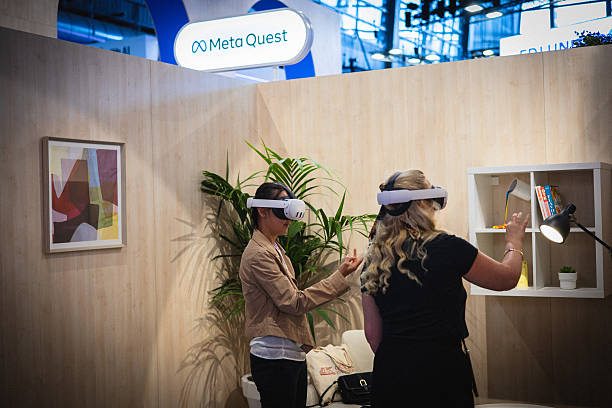
Meta has raised the prices of its Quest VR headsets in the United States, effective April 19. The Quest 3S (128GB) now costs $349.99, up from $299.99; the Quest 3S (256GB) moves from $399.99 to $449.99, and the flagship Quest 3 (512GB) goes from $499.99 to $599.99, a $100 jump. The new prices cover both new and refurbished units. However, accessories are not affected.
Meta explained the decision in a blog post, saying the cost of building high-performance VR hardware has risen significantly. The company pointed specifically to a global surge in the price of memory chips, which it said is affecting almost every category of consumer electronics, including VR.
Meta added that it needs to adjust prices in order to maintain the hardware quality and platform support that Quest users expect.
Why Memory Chips Are Getting More Expensive
The short answer is that AI data centers are consuming memory chips faster than manufacturers can produce them and that has pushed up prices across the board.
The companies building AI infrastructure, including Meta itself, need a specific type of memory chip called high-bandwidth memory to power their data center hardware. Chip manufacturers are producing as much of it as they can because it earns them far higher profit margins than the standard memory chips used in consumer devices like VR headsets.
For example, chip manufacturers like SK Hynix, Samsung, and Micron are prioritizing this type of memory because it earns margins of 60% or higher, compared to 20 to 30% for the standard memory used in consumer products. This means less supply is available for devices like VR headsets, and prices for those components go up as a result.
And Meta is not the only company dealing with this. Sony has also raised hardware prices in response to the same memory shortage. Sony raised PS5 prices by up to $150 in April, and Valve could not launch its Steam Frame VR headset on schedule in early 2026 because of the same component shortages. Apple, and Samsung have so far held the prices of their headsets steady, although that could change.
Reality Labs Is Already Losing a Lot of Money
The price increase also comes at a difficult time for Meta’s VR division. Reality Labs, the division that builds Quest headsets, reported an operating loss of $19.19 billion in 2025, up from $17.73 billion in 2024, while bringing in just $2.21 billion in revenue for the full year.
Beyond the losses, Meta has been pulling back on VR more broadly. In January, the company cut roughly 10% of Reality Labs staff and scaled back Horizon Worlds, its VR social platform. The division has now accumulated more than $70 billion in total operating losses.
But Meta has maintained that it is still committed to VR and has a long-term hardware roadmap for the Quest platform.
What Buyers Should Know
For the Quest 3S 128GB, the jump from $299.99 to $349.99 means the cheapest standalone VR headset now costs more than $300, a price point that had helped bring more everyday consumers into Meta’s VR market. Also, the Quest 3 at $599.99 is now priced closer to where it launched before Meta cut prices, making it harder to pitch as an affordable option for people new to VR.
Meta has not said whether these prices are temporary or permanent. If the memory shortage continues through 2026, as some supply chain analysts expect, the higher prices could carry into Meta’s next product cycle.
