

Close Menu

    Stay Ahead with Exclusive Updates!

    Enter your email below and be the first to know what’s happening in the ever-evolving world of technology!

    What's Hot

    Why Nvidia Just Opened Vera Rubin Rack Designs to Third-Party Builders

    October 26, 2026

    Microsoft Builds Maia 300 AI Chip to Cut Reliance on Nvidia

    October 26, 2026

    How Targeted Ads Can Now Install Spyware Without a Single Click

    October 25, 2026
    Facebook X (Twitter) Instagram
    Facebook X (Twitter)
    PhronewsPhronews
    • Home
    • Big Tech & Startups

      Why Nvidia Just Opened Vera Rubin Rack Designs to Third-Party Builders

      October 26, 2026

      Microsoft Builds Maia 300 AI Chip to Cut Reliance on Nvidia

      October 26, 2026

      ​​OpenAI and Anthropic Back $15M Push to Verify AI-Generated Math

      October 25, 2026

      Perplexity Officially Open-Sources Its Sandbox for Autonomous AI Agents

      October 25, 2026

      Eight U.S. States Sue OpenAI Over ChatGPT’s Harm to Children

      October 24, 2026
    • Crypto

      A Firmware Flaw in One of the Most Trusted Bitcoin Hardware Wallets Just Drained Over $70 Million in Crypto. The Coldcard Breach Is a Reminder That Cold Storage Is Only as Safe as the Code Running Inside It

      August 29, 2026

      Market Collapse: What Happened to NFTs?

      April 23, 2026

      Quantum Computing Advances Force Coinbase and Institutional Custodians to Rethink Crypto Security

      March 8, 2026

      AI Assisted Hacking Groups Target Crypto Firms With Multi-Layered Social Engineering

      February 18, 2026

      Global Crypto Regulations Expand as 2026 Begins With New Data Collection Frameworks and National Laws

      January 16, 2026
    • Gadgets & Smart Tech
      Featured

      Apple Slashes iPhone 18 Pro Orders by 15% as Demand Softens

      By preciousOctober 19, 2026
      Recent

      Apple Slashes iPhone 18 Pro Orders by 15% as Demand Softens

      October 19, 2026

      Google Home Now Supports ChatGPT and Claude via New MCP Server

      October 6, 2026

      Waymo Plans Fully Driverless Taxis on Tokyo Streets Without Safety Drivers

      September 28, 2026
    • Cybersecurity & Online Safety

      How Targeted Ads Can Now Install Spyware Without a Single Click

      October 25, 2026

      GitLab Patches Critical Self-Hosted AI Gateway Vulnerability to Stop Exploits

      October 24, 2026

      AI Exposes Massive PHP2Shell Vulnerability Hidden in Core Web Infrastructure

      October 23, 2026

      ⁠Major Google Cloud Incident Exposes Hidden Risks in Enterprise Infrastructure

      October 23, 2026

      Chinese Hacker Weaponizes Claude AI to Breach South Korean Banks

      October 19, 2026
    PhronewsPhronews
    Home»Artificial Intelligence & The Future»Microsoft Builds Maia 300 AI Chip to Cut Reliance on Nvidia
    Artificial Intelligence & The Future

    Microsoft Builds Maia 300 AI Chip to Cut Reliance on Nvidia

    preciousBy preciousOctober 26, 2026No Comments
    Facebook Twitter Pinterest LinkedIn WhatsApp Reddit Tumblr Email
    Share
    Facebook Twitter LinkedIn Pinterest Email
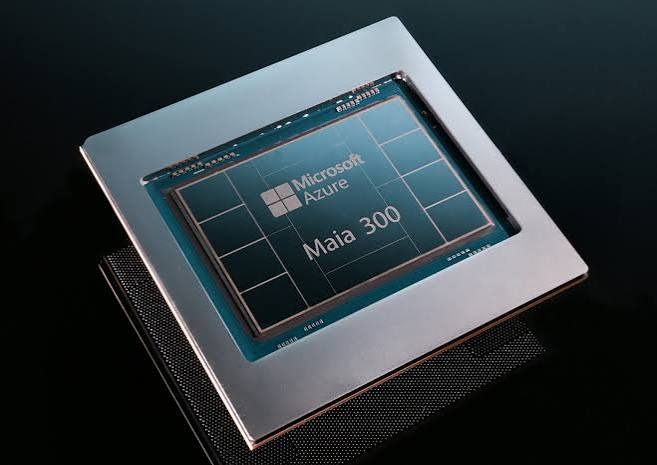
    A prototype of Microsoft’s Azure Maia 300 chip, which the company plans to begin deploying at scale in 2027. Photo Credit: Microsoft Photo

    Microsoft is preparing to move more of its AI workloads to its own processors as demand for computing power grows and technology companies look for alternatives to Nvidia’s AI chips. 

    The company announced Maia 300 on October 12, 2026, saying it plans to begin production deployments in 2027 and make the chip its primary system for running AI models across its products and services.

    The announcement comes as Microsoft expands its investment in AI infrastructure. The company could reportedly deploy more than one million Maia 300 chips next year to support its internal AI services, and the plan could reduce its reliance on external chip suppliers, although Microsoft has not said it will stop using Nvidia’s processors. 

    Why Microsoft Is Building Its Own AI Chips

    AI services require substantial computing resources to generate responses, to sometimes write code, and carry out complex tasks. This means companies running these services at scale need processors that can handle growing workloads without driving up infrastructure costs.

    Nvidia supplies many of the GPUs used to train and run AI models across the industry. And while Microsoft also relies on these processors across its cloud infrastructure, its Maia chip programme gives it another option for running AI workloads within its own data centres.

    Maia 300 is the third generation of Microsoft’s custom AI chips. Its predecessor, Maia 200, is already running production workloads, including Microsoft Copilot and Microsoft’s own AI models. The company also uses Maia 200 to run OpenAI models through Azure, its cloud computing platform.

    Microsoft plans to expand its Maia infrastructure to multi-gigawatt deployments from 2027. This means deploying computing systems with a combined power capacity measured in billions of watts, reflecting the scale of infrastructure needed to run AI services.

    How Maia 300 Is Designed to Improve Efficiency

    Microsoft designed Maia 300 to handle AI inference, the process through which a trained model generates answers or performs tasks. The chip targets workloads involving long-context reasoning, conversational AI, and agents that complete tasks through multiple steps.

    Its design uses chiplets, which are smaller specialised sections of silicon combined within one processor package. The main computing chiplets use TSMC’s N2P manufacturing process, while other components use a 3-nanometre process for functions such as memory control and data movement. This allows Microsoft to use different manufacturing technologies for different parts of the chip. 

    Microsoft says Maia 300 expects to deliver 40% more tokens per megawatt than leading GPU-based systems.

    The chip will also support racks containing 96 accelerators, with each rack consuming about 167 kilowatts of power. According to Microsoft, this configuration can deliver up to seven times the token throughput of a Maia 200 rack. 

    What This Means for Nvidia

    Microsoft’s plans reflect a wider effort among major technology companies to develop their own AI processors, as building custom chips gives cloud providers more control over how their infrastructure handles workloads and how efficiently it uses power.

    However, Maia 300 will not immediately remove Microsoft’s dependence on Nvidia. The new chip is scheduled for production deployment in 2027, and Microsoft has not announced a complete shift away from external suppliers.

    For now, the company is expanding its own hardware options while continuing to operate a large AI infrastructure business. The extent to which Maia 300 reduces its reliance on Nvidia will become clearer at Microsoft Ignite 2026, where the company expects to shed more light and share more details.

    AI inference AI infrastructure Azure Maia Chiplets Copilot custom AI chips data centers HBM4 hyperscalers Maia 200 Maia 300 Microsoft Microsoft Ignite Nvidia OCP Global Summit OpenAI Scott Guthrie Tokens Per Megawatt TSMC TSMC N2P
    Share. Facebook Twitter Pinterest LinkedIn Tumblr Telegram Email
    precious
    • LinkedIn

    I’m Precious Amusat, Phronews’ Content Writer. I conduct in-depth research and write on the latest developments in the tech industry, including trends in big tech, startups, cybersecurity, artificial intelligence and their global impacts. When I’m off the clock, you’ll find me cheering on women’s footy, curled up with a romance novel, or binge-watching crime thrillers.

    Related Posts

    Why Nvidia Just Opened Vera Rubin Rack Designs to Third-Party Builders

    October 26, 2026

    ​​OpenAI and Anthropic Back $15M Push to Verify AI-Generated Math

    October 25, 2026

    Perplexity Officially Open-Sources Its Sandbox for Autonomous AI Agents

    October 25, 2026

    Comments are closed.

    Top Posts

    Cursor AI Hits 1 Million Daily Users. Why Developers Are Switching to This Coding Tool

    March 23, 2026

    Coinbase responds to hack: customer impact and official statement

    May 22, 2025

    Anthropic Will Use Claude User Chats For Data Training

    October 16, 2025

    MIT Study Reveals ChatGPT Impairs Brain Activity & Thinking

    June 29, 2025
    Don't Miss
    Artificial Intelligence & The Future

    Why Nvidia Just Opened Vera Rubin Rack Designs to Third-Party Builders

    By preciousOctober 26, 2026

    As companies invest in AI systems, building the data centres needed to run them has…

    Microsoft Builds Maia 300 AI Chip to Cut Reliance on Nvidia

    October 26, 2026

    How Targeted Ads Can Now Install Spyware Without a Single Click

    October 25, 2026

    ​​OpenAI and Anthropic Back $15M Push to Verify AI-Generated Math

    October 25, 2026
    Stay In Touch
    • Facebook
    • Twitter
    About Us
    About Us

    Evolving from Phronesis News, Phronews brings deep insight and smart analysis to the world of technology. Stay informed, stay ahead, and navigate tech with wisdom.
    We're accepting new partnerships right now.

    Email Us: info@phronews.com

    Facebook X (Twitter) Pinterest YouTube
    Our Picks
    Most Popular

    Cursor AI Hits 1 Million Daily Users. Why Developers Are Switching to This Coding Tool

    March 23, 2026

    Coinbase responds to hack: customer impact and official statement

    May 22, 2025

    Anthropic Will Use Claude User Chats For Data Training

    October 16, 2025
    © 2025. Phronews.
    • Home
    • About Us
    • Get In Touch
    • Privacy Policy
    • Terms and Conditions

    Type above and press Enter to search. Press Esc to cancel.