

Close Menu

    Stay Ahead with Exclusive Updates!

    Enter your email below and be the first to know what’s happening in the ever-evolving world of technology!

    What's Hot

    Token Efficiency: Why Aria Networks Raised $125M for AI-Native Infrastructure

    April 18, 2026

    Virtual Safeguards: China Bans Addictive “Digital Humans” for Minors

    April 18, 2026

    Grid-Responsive AI: How Nvidia Plans to Turn Data Centers Into Power Assets with Emerald AI

    April 16, 2026
    Facebook X (Twitter) Instagram
    Facebook X (Twitter)
    PhronewsPhronews
    • Home
    • Big Tech & Startups

      Token Efficiency: Why Aria Networks Raised $125M for AI-Native Infrastructure

      April 18, 2026

      Virtual Safeguards: China Bans Addictive “Digital Humans” for Minors

      April 18, 2026

      Grid-Responsive AI: How Nvidia Plans to Turn Data Centers Into Power Assets with Emerald AI

      April 16, 2026

      The Trillion-Dollar Exit: Why a SpaceX IPO Would Reshape the Space Economy

      April 15, 2026

      The Sacramento Blueprint: How California is Writing the U.S. AI Rulebook

      April 14, 2026
    • Crypto

      Quantum Computing Advances Force Coinbase and Institutional Custodians to Rethink Crypto Security

      March 8, 2026

      AI Assisted Hacking Groups Target Crypto Firms With Multi-Layered Social Engineering

      February 18, 2026

      Global Crypto Regulations Expand as 2026 Begins With New Data Collection Frameworks and National Laws

      January 16, 2026

      Coinbase Bets on Stablecoin and On-Chain Growth as Key Market Drivers in 2026 Strategy

      January 10, 2026

      Tether Faces Ongoing Transparency Questions and Reserve Scrutiny Amid Massive Bitcoin Accumulation

      January 5, 2026
    • Gadgets & Smart Tech
      Featured

      AirPods Max 2: USB-C, Live Translation, and the H2 Upgrade

      By preciousMarch 26, 2026
      Recent

      AirPods Max 2: USB-C, Live Translation, and the H2 Upgrade

      March 26, 2026

      How ABB and Nvidia are Perfecting Industrial Robotics using AI Simulation

      March 20, 2026

      Neura Robotics Reaches €4B Valuation With Tether Backing

      March 12, 2026
    • Cybersecurity & Online Safety

      Cyber Retaliation: How Iran-Linked Hackers Paralyzed Medical Giant Stryker

      April 16, 2026

      Your Company Could Be Iran’s Next Target: What U.S. Tech Firms Need to Do Right Now

      April 6, 2026

      Google Is Warning Us About The Encryption Protecting Your Data Today. It May Not Survive Quantum Computing

      April 5, 2026

      Accenture and Anthropic Team Up on AI-powered Cybersecurity

      April 4, 2026

      Your BVN, Passport, and Bank Account May Already Be on the Dark Web. What Every Nigerian Must Do Right Now After the Banking Breaches

      April 4, 2026
    PhronewsPhronews
    Home»Artificial Intelligence & The Future»40M People Ask Health Advice from ChatGPT Daily: Is It Safe?
    Artificial Intelligence & The Future

    40M People Ask Health Advice from ChatGPT Daily: Is It Safe?

    preciousBy preciousJanuary 18, 2026No Comments
    Facebook Twitter Pinterest LinkedIn WhatsApp Reddit Tumblr Email
    Share
    Facebook Twitter LinkedIn Pinterest Email
    Photo Credit: Jaap Arriens/NurPhoto via Getty Images

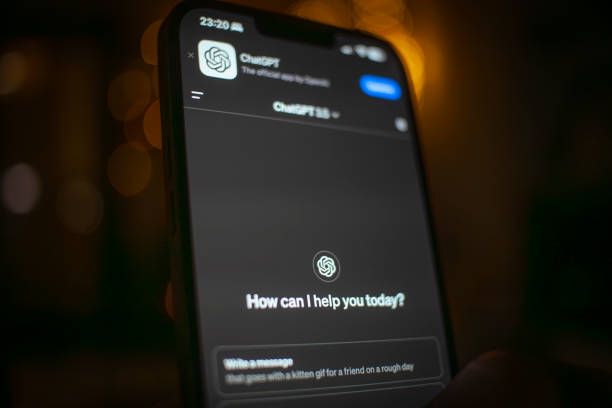
    OpenAI’s ChatGPT has become an unexpected primary care provider for millions of people worldwide, according to a recent report that reveals approximately 40 million users turn to the AI-powered chatbot each day for medical guidance, ranging from symptom checks and medication questions to mental health support and even health insurance navigation. 

    The scale is staggering as these daily consultations rival the total number of doctor visits happening across entire healthcare systems in the world. 

    The scale also reflects a pandemic of inaccessibility to modern healthcare, especially in the U.S. For instance, emergency room wait times continue to stretch for hours, primary care appointments are hard to secure, and specialist consultations remain prohibitively expensive for many. 

    However, ChatGPT, by contrast, responds instantly and costs little to nothing to use. For someone experiencing chest pain at random times or even a parent worried about a child’s fever, the chatbot’s appeal is obvious and attractive. 

    But the convenience comes with serious caveats that many users have not and may never fully grasp. AI language models, including ChatGPT, generate responses based on patterns in their training data rather than actual medical reasoning. They hallucinate and often produce information that sounds authoritative and well-structured while being dangerously inaccurate, which is very bad for healthcare. 

    The accuracy problem gets worse in nuanced situations. ChatGPT cannot examine a patient, order diagnostic tests, or consider the full complexity of someone’s medical history like a human doctor would. It might miss critical red flags that an experienced clinician would catch immediately. 

    While medical professionals and health bodies may view this development with an understanding of a great technology, there is also the alarming side. 

    On the one hand, some healthcare experts see potential benefits if the technology evolves responsibly, as AI could help triage minor concerns, provide reliable basic health education, or assist people in preparing better questions for their doctors. However, the key difference between helpful and harmful use may eventually come down to how the information is framed and what actions people may take based on it.

    On the other hand, the regulatory landscape handling the fast-paced development of AI remains murky. Health apps providing medical guidance typically face FDA oversight, but general-purpose AI chatbots still exist in a gray area. No regulatory body is systematically tracking outcomes when people follow ChatGPT’s health recommendations, which further makes it difficult to understand the real-world impact on users. 

    Healthcare access problems won’t disappear anytime soon, which means AI will continue filling gaps in the healthcare system. What remains to be seen is whether users fully understand the inaccuracies of AI-powered chatbots and how they’re still in the early stages of development, which makes them prone to make mistakes.

    There is also the question of whether these companies will build in stronger safeguards, and whether the healthcare system can adapt to address the underlying access issues driving people toward AI in the first place.

    Additionally, mental health represents another concerning frontier. Thousands of users discuss anxiety, depression, and suicidal thoughts with ChatGPT daily. While the AI can offer supportive responses and general coping strategies, it lacks the training to handle crisis situations appropriately. 

    This is shown in a recent case of a 16-year-old named Adam Raine whose parents claimed that ChatGPT acted as a “suicide coach” by providing harmful instructions and validating the teen’s negative thoughts. This lawsuit that came out of this unfortunate incident has so far put pressure on AI companies to implement stronger safety safeguards for minors.

    ChatGPT-maker OpenAI has, however, added disclaimers warning users that the chatbot is not a substitute for professional medical advice. The company has also implemented some safeguards, like directing users experiencing mental health crises toward helplines. However, these measures still rely heavily on user judgment and people in distress or pain may not be in the best position to evaluate AI-generated advice critically.

    For now, medical experts continue to offer and reassert straightforward guidance – use ChatGPT to learn general health information, but treat any specific medical advice with extreme skepticism.

    Adam Raine Lawsuit AI as a Suicide Coach AI diagnostic accuracy AI hallucinations AI health safeguards AI in healthcare AI performance AI regulation AI-Powered Chatbots Artificial Intelligence ChatGPT Data governance in AI Doctor consultations vs AI FDA oversight generative AI Healthcare accessibility Healthcare insurance navigation Inaccurate medical advice Is ChatGPT safe for medical advice? medical ai Medical professional liability Medical reasoning Metal health support OpenAI Primary care provider Risks of AI in healthcare Symptom checks Triage technology Using AI for mental health
    Share. Facebook Twitter Pinterest LinkedIn Tumblr Telegram Email
    precious
    • LinkedIn

    I’m Precious Amusat, Phronews’ Content Writer. I conduct in-depth research and write on the latest developments in the tech industry, including trends in big tech, startups, cybersecurity, artificial intelligence and their global impacts. When I’m off the clock, you’ll find me cheering on women’s footy, curled up with a romance novel, or binge-watching crime thrillers.

    Related Posts

    Token Efficiency: Why Aria Networks Raised $125M for AI-Native Infrastructure

    April 18, 2026

    Virtual Safeguards: China Bans Addictive “Digital Humans” for Minors

    April 18, 2026

    Grid-Responsive AI: How Nvidia Plans to Turn Data Centers Into Power Assets with Emerald AI

    April 16, 2026

    Comments are closed.

    Top Posts

    Coinbase responds to hack: customer impact and official statement

    May 22, 2025

    MIT Study Reveals ChatGPT Impairs Brain Activity & Thinking

    June 29, 2025

    From Ally to Adversary: What Elon Musk’s Feud with Trump Means for the EV Industry

    June 6, 2025

    Anthropic Will Use Claude User Chats For Data Training

    October 16, 2025
    Don't Miss
    Artificial Intelligence & The Future

    Token Efficiency: Why Aria Networks Raised $125M for AI-Native Infrastructure

    By preciousApril 18, 2026

    Aria Networks, a Palo Alto-based networking startup founded in January 2025, has raised $125 million…

    Virtual Safeguards: China Bans Addictive “Digital Humans” for Minors

    April 18, 2026

    Grid-Responsive AI: How Nvidia Plans to Turn Data Centers Into Power Assets with Emerald AI

    April 16, 2026

    Cyber Retaliation: How Iran-Linked Hackers Paralyzed Medical Giant Stryker

    April 16, 2026
    Stay In Touch
    • Facebook
    • Twitter
    About Us
    About Us

    Evolving from Phronesis News, Phronews brings deep insight and smart analysis to the world of technology. Stay informed, stay ahead, and navigate tech with wisdom.
    We're accepting new partnerships right now.

    Email Us: info@phronews.com

    Facebook X (Twitter) Pinterest YouTube
    Our Picks
    Most Popular

    Coinbase responds to hack: customer impact and official statement

    May 22, 2025

    MIT Study Reveals ChatGPT Impairs Brain Activity & Thinking

    June 29, 2025

    From Ally to Adversary: What Elon Musk’s Feud with Trump Means for the EV Industry

    June 6, 2025
    © 2025. Phronews.
    • Home
    • About Us
    • Get In Touch
    • Privacy Policy
    • Terms and Conditions

    Type above and press Enter to search. Press Esc to cancel.