

Close Menu

    Stay Ahead with Exclusive Updates!

    Enter your email below and be the first to know what’s happening in the ever-evolving world of technology!

    What's Hot

    NVIDIA AI Chip Demand Continues Driving Cloud Strategy Changes at AWS, Azure, and Google Cloud

    March 1, 2026

    Google DeepMind and OpenAI Intensify Competition as Coding AI Models Target Software Developers

    March 1, 2026

    Google Expands AI-Generated Audio Tools, Signaling a Major Shift in Digital Advertising Strategy

    March 1, 2026
    Facebook X (Twitter) Instagram
    Facebook X (Twitter)
    PhronewsPhronews
    • Home
    • Big Tech & Startups

      NVIDIA AI Chip Demand Continues Driving Cloud Strategy Changes at AWS, Azure, and Google Cloud

      March 1, 2026

      Google DeepMind and OpenAI Intensify Competition as Coding AI Models Target Software Developers

      March 1, 2026

      Google Expands AI-Generated Audio Tools, Signaling a Major Shift in Digital Advertising Strategy

      March 1, 2026

      Amazon Announces $12 Billion Louisiana Data Center Investment to Boost AI and Cloud Capacity

      February 27, 2026

      Hyperscalers Including Microsoft and Amazon Build Private Energy Systems to Power AI Data Centers

      February 27, 2026
    • Crypto

      AI Assisted Hacking Groups Target Crypto Firms With Multi-Layered Social Engineering

      February 18, 2026

      Global Crypto Regulations Expand as 2026 Begins With New Data Collection Frameworks and National Laws

      January 16, 2026

      Coinbase Bets on Stablecoin and On-Chain Growth as Key Market Drivers in 2026 Strategy

      January 10, 2026

      Tether Faces Ongoing Transparency Questions and Reserve Scrutiny Amid Massive Bitcoin Accumulation

      January 5, 2026

      Kanye West YZY Coin Crash Follows $3B Hype Launch

      August 24, 2025
    • Gadgets & Smart Tech
      Featured

      Tesla Launches China AI Training Center for Full Self-Driving Development

      By preciousFebruary 18, 2026
      Recent

      Tesla Launches China AI Training Center for Full Self-Driving Development

      February 18, 2026

      Samsung to Unveil AI-powered Galaxy S26 on February 25 Unpacked Event

      February 13, 2026

      Meta Introduces its Neural Wristband to the World

      February 4, 2026
    • Cybersecurity & Online Safety

      OpenAI Benchmarks AI Models for Smart Contract Security Testing in Blockchain Applications

      February 27, 2026

      Cybersecurity Stocks Drop as Anthropic Launches Claude Code Security Tool

      February 26, 2026

      AI Assisted Hacking Groups Target Crypto Firms With Multi-Layered Social Engineering

      February 18, 2026

      SentinelOne Warns Hackers are Targeting AI in Physical World Systems like Self-Driving Cars

      February 18, 2026

      Deepfake Zoom Calls Used in Corporate Fraud Attacks: Inside the Latest AI Social Engineering Scheme

      February 17, 2026
    PhronewsPhronews
    Home»Artificial Intelligence & The Future»U.S. Senate drops 10-year AI regulation moratorium
    Artificial Intelligence & The Future

    U.S. Senate drops 10-year AI regulation moratorium

    preciousBy preciousJuly 13, 2025Updated:July 15, 2025No Comments
    Facebook Twitter Pinterest LinkedIn WhatsApp Reddit Tumblr Email
    Share
    Facebook Twitter LinkedIn Pinterest Email
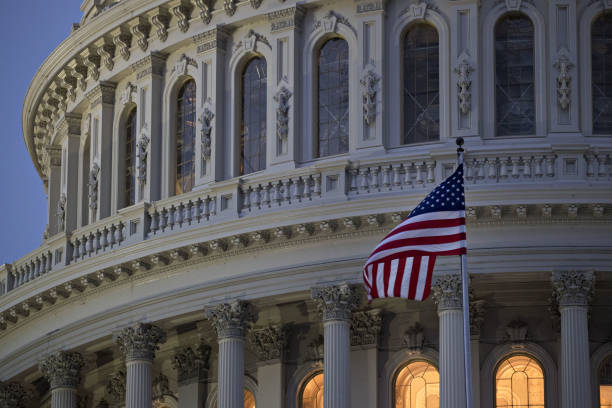
     Photo Credit: Andrew Harrer/Bloomberg

    The U.S. Senate recently voted 99-1 to remove a controversial 10-year moratorium on state artificial intelligence (AI) regulations from President Trump’s “One Big Beautiful Bill Act.” The vote, held during a marathon session on July 1, 2025, marked a rare moment of overwhelming bipartisan agreement in the U.S. Senate, and it also marked a shift in how the rapidly growing AI technologies should be governed. 

    The moratorium, originally included in Trump’s tax policy bill, aimed to prevent states from enacting or enforcing their own AI regulations for a decade. Supporters of this moratorium argued this would avoid a patchwork of state laws that would stifle innovation and weaken America’s position in the global AI race, especially against competitors like China. 

    Critics, however, saw it as the creation of a regulatory vacuum that would leave consumers, workers, and the minorities vulnerable to unchecked AI risks. As previously reported by Phronews, one of the most vocal critics of the 10-year moratorium was Dario Amodei, CEO of Anthropic, a leading AI research and safety company, and also the developer of the Claude AI assistant. 

    In an op-ed, Amodei calls the 10-year ban as at the time it was proposed, a “far too blunt an instrument.” Amodei, being at the helm of an AI research and safety company, admits that AI is growing at an unprecedented rate that can totally change the world for good in the next few years. However, he warns that the 10-year AI regulation moratorium will leave the development and usage of AI unchecked which will in turn have adverse effects on society. 

    And because the implementation of the 10-year ban wouldn’t immediately call for the creation of AI regulation at the federal level, he warns that, “Without a clear plan for a federal response, a moratorium would give us the worst of both worlds – no ability for states to act, and no national policy as a backstop.”

    It is important to note that prior to the proposing and the inclusion of this bill into President Trump’s tax policy bill, there was no AI regulation neither at the federal level nor at the state level. So it makes sense that proposing a decade-long ban on State AI regulation when there’s no regulation at the federal level will result in a regulatory vacuum, where a new technology or industry emerges faster than laws or regulations can be developed to govern it. 

    It is probably with this realization that the Senate’s decision was bipartisan, where both Republican and Democratic senators voiced concerns about stripping states of their ability to respond to AI risks in real time. The final vote being 99-1 reflected rare unity in the U.S. Senate, especially on a tech policy issue. 

    Apart from this bipartisan opposition, there were also factors like state pressure and consumer rights advocacy that contributed to the dropping of the ban. When the moratorium was initially proposed, over 50 state attorneys and more than 250 state lawmakers signed letters urging Congress to preserve state authority over AI regulation. Activists groups also warned that a decade-long freeze would leave Americans exposed to dangers such as deepfakes, algorithmic discrimination and bias, as well as threats to children’s online safety. 

    With the cancellation of the ban, states in the U.S. now retain the authority to regulate AI as they see fit. At least 45 states have already introduced AI-related legislation, with 31 states addressing critical issues such as deepfake prevention and election integrity, employment discrimination in AI-powered hiring systems, consumer protection and transparency, children’s online safety, and artists’ rights and protection from unauthorized AI-generated content. 

    However, this vote does not end the current debate of federal regulation vs. state regulation. Many lawmakers and industry leaders, including Amodei, continue to call for comprehensive federal AI legislation. Tech giants like OpenAI and Google also argue that only a national framework can provide both the flexibility and the safeguards needed as AI technologies become more powerful and pervasive. 

    Senator Maria Cantwell (D-WA) summed up the evolving AI landscape with a post on X saying, “This [removal of the moratorium] allows us to work together nationally to provide a new federal framework on Artificial Intelligence that accelerates U.S. leadership in AI while still protecting consumers.”

    Ai future regulation Ai governance united states Ai innovation policy Ai lawmaking authority Ai legal framework Ai legislation news Ai legislative update ai policy shift Ai regulation 2025 Ai regulation repeal Bipartisan ai decision Federal vs state ai control July 2025 senate vote National ai competitiveness One big beautiful bill act Patchwork law concerns Senate bipartisan moment State ai laws State tech governance Tech policy 2025 Trump ai moratorium United states ai strategy Us ai policy change Us senate ai vote
    Share. Facebook Twitter Pinterest LinkedIn Tumblr Telegram Email
    precious
    • LinkedIn

    I’m Precious Amusat, Phronews’ Content Writer. I conduct in-depth research and write on the latest developments in the tech industry, including trends in big tech, startups, cybersecurity, artificial intelligence and their global impacts. When I’m off the clock, you’ll find me cheering on women’s footy, curled up with a romance novel, or binge-watching crime thrillers.

    Related Posts

    Google DeepMind and OpenAI Intensify Competition as Coding AI Models Target Software Developers

    March 1, 2026

    Google Expands AI-Generated Audio Tools, Signaling a Major Shift in Digital Advertising Strategy

    March 1, 2026

    Amazon Announces $12 Billion Louisiana Data Center Investment to Boost AI and Cloud Capacity

    February 27, 2026

    Comments are closed.

    Top Posts

    MIT Study Reveals ChatGPT Impairs Brain Activity & Thinking

    June 29, 2025

    From Ally to Adversary: What Elon Musk’s Feud with Trump Means for the EV Industry

    June 6, 2025

    Coinbase responds to hack: customer impact and official statement

    May 22, 2025

    Coinbase Hack 2025: Everything we know so far.

    May 21, 2025
    Don't Miss
    Big Tech & Startups

    NVIDIA AI Chip Demand Continues Driving Cloud Strategy Changes at AWS, Azure, and Google Cloud

    By fariehanMarch 1, 2026

    Nvidia is now in control of roughly 80% of the AI data center chip market…

    Google DeepMind and OpenAI Intensify Competition as Coding AI Models Target Software Developers

    March 1, 2026

    Google Expands AI-Generated Audio Tools, Signaling a Major Shift in Digital Advertising Strategy

    March 1, 2026

    Amazon Announces $12 Billion Louisiana Data Center Investment to Boost AI and Cloud Capacity

    February 27, 2026
    Stay In Touch
    • Facebook
    • Twitter
    About Us
    About Us

    Evolving from Phronesis News, Phronews brings deep insight and smart analysis to the world of technology. Stay informed, stay ahead, and navigate tech with wisdom.
    We're accepting new partnerships right now.

    Email Us: info@phronews.com

    Facebook X (Twitter) Pinterest YouTube
    Our Picks
    Most Popular

    MIT Study Reveals ChatGPT Impairs Brain Activity & Thinking

    June 29, 2025

    From Ally to Adversary: What Elon Musk’s Feud with Trump Means for the EV Industry

    June 6, 2025

    Coinbase responds to hack: customer impact and official statement

    May 22, 2025
    © 2025. Phronews.
    • Home
    • About Us
    • Get In Touch
    • Privacy Policy
    • Terms and Conditions

    Type above and press Enter to search. Press Esc to cancel.