


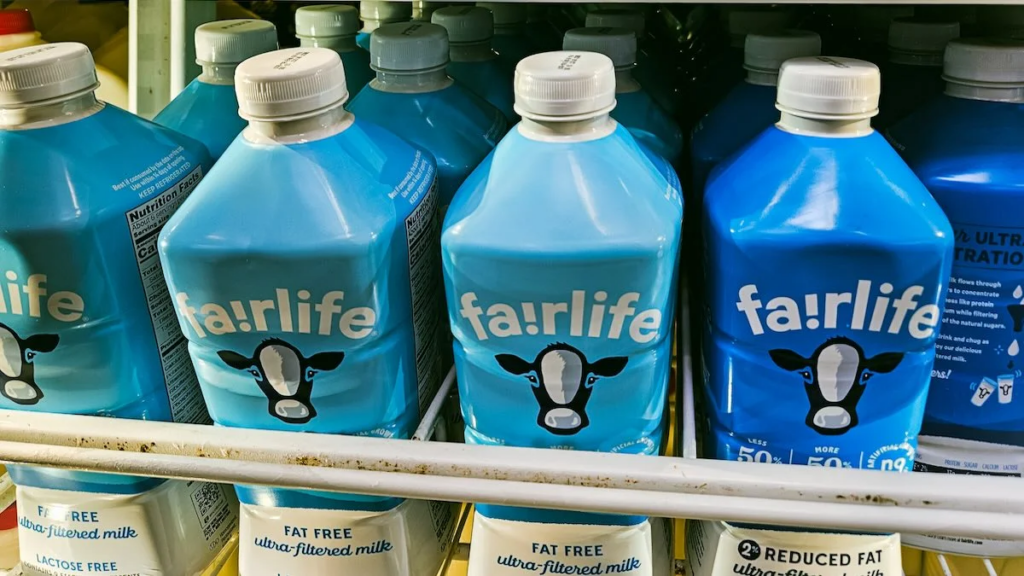
The Fairlife cyberattack has drawn intense scrutiny after the Anubis ransomware group claimed it breached Coca-Cola’s dairy brand. Although the company’s investigation continues, the allegation has raised broader concerns about ransomware threats facing consumer food manufacturers.
Currently, sophisticated criminal groups view food producers as attractive targets because operational disruption can create powerful leverage during extortion attempts.
Fairlife Cyberattack Raises Questions After Anubis Claims Massive Data Theft
Fairlife suspended production at multiple U.S. facilities after the ransomware attack surfaced. Soon afterward, the Anubis ransomware group claimed responsibility. The group also alleged it had stolen roughly 1 terabyte of company data. Additionally, Anubis threatened to publish the information unless negotiations succeeded.
Coca-Cola confirmed the cyberattack affected Fairlife operations. Later, the company acknowledged a data breach. However, Coca-Cola has not verified Anubis’ claims about the amount or contents of the allegedly stolen data. Meanwhile, security teams continue analyzing digital evidence.
Fairlife has resumed production across affected facilities. However, authorities have not confirmed what information attackers accessed. Consequently, the breach’s overall impact remains unclear.
Why Consumer Food Brands Have Become Prime Targets for Sophisticated Ransomware Groups
Sophisticated ransomware groups increasingly target food manufacturers because production interruptions create immediate financial pressure. Every delay can disrupt distribution and reduce available inventory. With this, attackers gain greater leverage during ransom negotiations.
Moreover, food companies manage supplier records, logistics information, operational documents, and other valuable business data. Criminal groups often steal information before encrypting systems. As a result, victims face operational disruption alongside the threat of public data leaks.
Furthermore, well-known consumer brands also rely heavily on public confidence. Therefore, cyberattacks can damage both business operations and customer trust. In addition, connected suppliers and technology providers create more opportunities for unauthorized access. One compromised system can affect several parts of a company’s operations.
What the Fairlife Incident Reveals About the Food Industry’s Cybersecurity Gaps
Consequently, the Fairlife incident shows why organizations must treat cybersecurity as an ongoing business priority. Companies should strengthen network monitoring, protect critical information, and maintain reliable offline backups. Likewise, regular security assessments can identify weaknesses before criminals exploit them.
Organizations should also test incident response plans and train employees to recognize phishing attempts and similar threats. Faster detection can reduce disruption and support quicker recovery. Furthermore, clear response procedures help contain attacks before they spread.
Although investigators continue examining the Fairlife cyberattack, the case already delivers a clear warning. Consumer food manufacturers have become attractive ransomware targets. Therefore, stronger cybersecurity practices and effective response planning remain essential for protecting business data, supporting production, and preserving consumer trust.
