


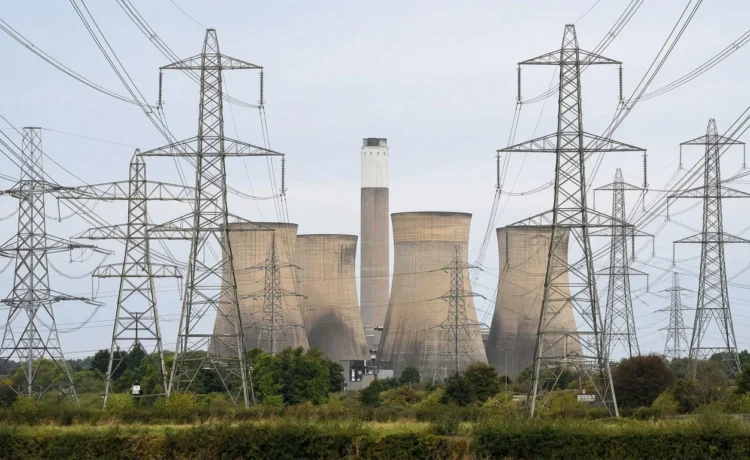
In July, Iranian hackers shut down a small UK power plant for 96 hours. Officials confirmed no threat to the wider national grid.
Reports emerged weeks later through The Telegraph. Other outlets soon confirmed the timeline and scope of the outage.
A Plant Goes Dark for 96 Hours
The attack hit an unnamed, privately owned generator and stopped operations temporarily. Government sources called the site a small-scale energy facility. However, electricity supply stayed stable across regions despite the disruption. No blackouts occurred anywhere in the country during those four days.
Still, the shutdown marked a first for Iranian hackers in Britain. Experts say smaller plants often lack basic cyber protections which makes them easy targets for skilled groups. Moreover, attackers don’t need huge resources to cause real disruption. Even brief outages send shockwaves through energy markets.
Inside the Iranian Hackers’ Playbook
Experts link the breach to actors tied to Iran’s government. These groups now target internet-linked control systems at smaller sites. Such systems often lack strong network barriers.
Furthermore, these attackers use exposed modems or remote tools to take control. Similar methods appeared recently in US water-system hacks. Because of this, even small infrastructure becomes vulnerable with weak cyber habits.
Iranian hackers exploit these gaps quietly and effectively. They avoid loud attacks that draw immediate attention. Instead, they slip inside and wait for the right moment. Then, they strike when defenses are lowest.
The Strategic Signal Behind the Outage
Analysts see the strike as political signaling, not a random crime. Tensions rose after the UK allowed US defensive ops from British bases. They expanded probing against American critical infrastructure too. Therefore, the UK incident acts as both test and warning.
Moreover, disrupting physical operations, even briefly, shows real-world impact beyond data theft. Such actions aim to pressure Western policy while showing cyber reach. This was intended to send messages without firing a single shot.
They choose targets that scare leaders but spare civilians and lets them escalate without triggering full war. And it works, since response options remain limited. Governments hesitate to overreact to silent breaches.
Securing the Grid After the Breach
After media reports, UK officials briefed energy CEOs on protection steps. Ministers stressed that system-wide resilience held firm during the event. Still, experts warn smaller operators share common weaknesses nationwide. Recommendations include isolating control systems from public internet access.
Organizations should also secure remote modems with strong login checks. Manual fallback plans remain vital when digital controls fail. Looking ahead, regulators may tighten rules for distributed generation assets. Industry leaders now face pressure to harden devices before strikes recur.
