


Tesla has expanded its Robotaxi service to Miami, marking another step in the company’s push to bring fully autonomous ride hailing to more U.S. cities.
This time, however, one detail has drawn immediate attention. The vehicles are operating without a human safety monitor from the first day of service.
The launch makes Miami the latest city in Tesla’s growing Robotaxi network and the first time the company has introduced the service in a new market without placing an employee inside the vehicle to observe its performance. The move follows earlier Robotaxi launches in Austin, Dallas, and Houston.
A New Phase for Tesla’s Robotaxi Rollout
Tesla announced that Robotaxi rides are now available in a limited part of West Miami. Like its previous launches, the service is restricted to a geofenced area rather than the entire city. Downtown Miami, Miami Beach, and several other busy locations are not yet included in the operating zone.
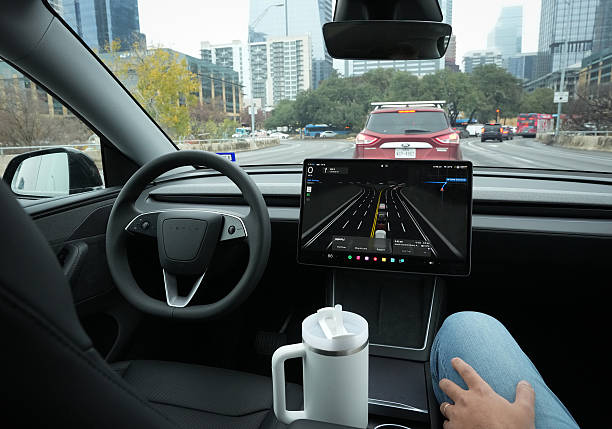
The fleet currently consists of modified Model Y vehicles running Tesla’s autonomous driving software. Unlike the purpose-built Cybercab Tesla revealed two years ago, these vehicles still have steering wheels and pedals, even though there is no one behind the wheel during passenger trips.
Tesla’s Vice President of AI Software, Ashok Elluswamy, confirmed on X that the Miami Robotaxis are operating in an unsupervised mode, meaning there is no safety monitor sitting inside the vehicle while it is carrying passengers.
Competition is Getting Stronger
Miami has quickly become one of the most competitive cities for autonomous ride hailing. Tesla is entering a market where Waymo already operates driverless taxis, while Amazon-owned Zoox is also preparing to expand its presence.
Unlike Waymo, which relies on a combination of cameras, radar, and lidar, Tesla continues to build its autonomous system primarily around cameras and artificial intelligence (AI). The Miami rollout will put that approach through another real world test, especially in a city known for heavy rain, dense traffic, and unpredictable driving conditions.
Why This Launch Matters
The decision to remove the in-car safety monitor from day one signals Tesla’s growing confidence in its autonomous driving technology. It also marks a noticeable shift from the company’s earlier Robotaxi deployments, where human monitors were initially present before being removed as the service matured.
Even so, Tesla is still expanding cautiously. The company has limited the service area instead of opening the entire city, allowing it to gather more operational data before a wider rollout.
For Tesla, Miami is an opportunity to prove that its Robotaxi service can operate safely without anyone inside the vehicle while competing directly against established autonomous ride hailing rivals. How the service performs over the coming months could shape the pace of Tesla’s expansion into other major U.S. cities.
