

Close Menu

    Stay Ahead with Exclusive Updates!

    Enter your email below and be the first to know what’s happening in the ever-evolving world of technology!

    What's Hot

    Google TPU Chips Threatens Nvidia’s GPU Dominance

    January 13, 2026

    Cybersecurity Funding Increases as AI-Driven Threats Become More Sophisticated 

    January 12, 2026

    Coinbase Bets on Stablecoin and On-Chain Growth as Key Market Drivers in 2026 Strategy

    January 10, 2026
    Facebook X (Twitter) Instagram
    Facebook X (Twitter)
    PhronewsPhronews
    • Home
    • Big Tech & Startups

      Google TPU Chips Threatens Nvidia’s GPU Dominance

      January 13, 2026

      Nvidia in Talks to Acquire AI21 Labs in $3B Generative AI Deal

      January 8, 2026

      Google Centralizes AI Development Around Gemini as Partners Prepare AI Vision Launch at CES 2026

      January 8, 2026

      Nvidia Aims to Begin H200 Chip Shipments to China by Mid-February

      January 7, 2026

      Cisco in Advanced Talks to Acquire Cybersecurity Startup Axonius for $2 billion

      January 7, 2026
    • Crypto

      Coinbase Bets on Stablecoin and On-Chain Growth as Key Market Drivers in 2026 Strategy

      January 10, 2026

      Tether Faces Ongoing Transparency Questions and Reserve Scrutiny Amid Massive Bitcoin Accumulation

      January 5, 2026

      Kanye West YZY Coin Crash Follows $3B Hype Launch

      August 24, 2025

      Crypto Markets Rally as GENIUS Act Nears Stablecoin Regulation Breakthrough

      July 23, 2025

      Lightchain and Ethereum Spark AI Chain Revolution

      July 23, 2025
    • Gadgets & Smart Tech
      Featured

      Meta Poaches Apple Design Exec Alan Dye to Lead a New Creative Studio

      By preciousDecember 11, 202526
      Recent

      Meta Poaches Apple Design Exec Alan Dye to Lead a New Creative Studio

      December 11, 2025

      Samsung Teases DX Vision and New AI Experiences Ahead of CES 2026

      December 10, 2025

      Why Amazon’s New AI Glasses Are Changing Delivery

      November 10, 2025
    • Cybersecurity & Online Safety

      Cybersecurity Funding Increases as AI-Driven Threats Become More Sophisticated 

      January 12, 2026

      Cisco in Advanced Talks to Acquire Cybersecurity Startup Axonius for $2 billion

      January 7, 2026

      Microsoft Pushes Zero-Trust as the Enterprise Default in 2026 Security Roadmap

      January 3, 2026

      Google Cloud expands Security Services Partnership with Palo Alto Networks in a $10B deal

      December 29, 2025

      Google issues emergency Pixel update after reports of spyware attacks

      December 24, 2025
    PhronewsPhronews
    Home»Artificial Intelligence & The Future»OpenAI Told to Release Internal Files in Authors’ Copyright Case
    Artificial Intelligence & The Future

    OpenAI Told to Release Internal Files in Authors’ Copyright Case

    preciousBy preciousDecember 9, 2025No Comments16 Views
    Facebook Twitter Pinterest LinkedIn WhatsApp Reddit Tumblr Email
    Share
    Facebook Twitter LinkedIn Pinterest Email
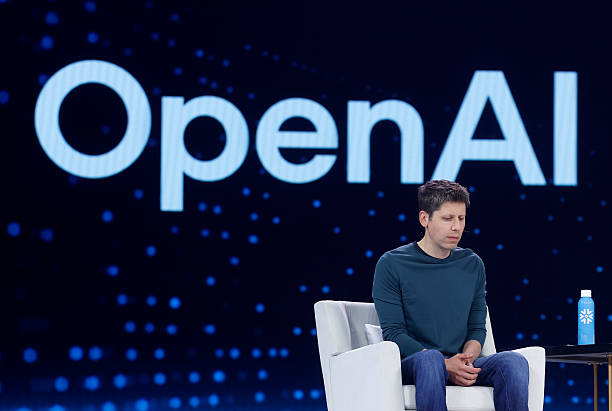
    Photo Credit: Justin Sullivan/Getty Images

    A U.S. federal judge has ruled that OpenAI must disclose internal communications and documents in a significant copyright infringement case brought by authors and publishers against the famous artificial intelligence company. This ruling stands as a major setback for OpenAI in the discovery phase of the lawsuit litigation. 

    The lawsuit involves allegations that the ChatGPT-maker used copyrighted literary works without authorization to train its famous chatbot’s language models. This consolidated class action lawsuit was brought forward on behalf of prominent authors including but not limited to John Grisham, Jodi Picoult, and Douglas Preston, alongside The Authors Guild, with all of them seeking redress for copyright infringement under the U.S. Copyright Act.

    The case also includes copyright infringement claims from The New York Times (NYT) against OpenAI, arguing that the tech giant unlawfully used content from NYT to train its ChatGPT language models, which is now negatively affecting its business and journalism efforts.

    In light of these accusations, Judge Ona T. Wang, the federal judge in charge of this case, ordered OpenAI to turn over internal Slack messages and emails that were discussing the deletion of large datasets known as “Books1” and “Books2,” which allegedly contained pirated materials from sources like Library Genesis that were used to train ChatGPT. 

    The ChatGPT-maker had initially claimed these communications were protected by attorney-client privilege, but the judge rejected these arguments, ruling that most of the communications are subject to discovery. 

    The judge also determined that OpenAI could not simultaneously claim that datasets were deleted due to non-use while also asserting that the reasons for deletion are privileged information. This contradiction, Judge Wang notes, subverts and undermines OpenAI’s privilege assertion. 

    In her ruling, Judge Wang wrote that “OpenAI has waived privilege by making a moving target of its privilege assertions,” shedding light on the company’s inconsistent legal positions. 

    Additional Disclosure Orders in A Series of OpenAI Copyright Case

    Beyond the internal communications about deleted datasets that OpenAI must produce, the AI giant must also produce approximately 20 million anonymized ChatGPT user logs to The New York Times, as demanded by the organization. 

    This is in response to another copyright case the international news organization brought against OpenAI, claiming that many ChatGPT users are using the chatbot to get around the NYT’s paywall, which is, again, putting a dent on their business and journalism efforts. 

    In response to this, the AI giant argues that the release of 20 million ChatGPT user logs poses significant privacy risks and that over 90% of the transcripts are unrelated to infringement claims. 

    “This demand disregards long-standing privacy protections, breaks with common-sense security practices, and would force us to turn over tens of millions of highly personal conversations from people who have no connection to the Times’ baseless lawsuit against OpenAI,” Dane Stuckey, the Chief Information Security Officer at OpenAI wrote in a statement.

    However, Judge Wang rules that these chat logs are essential to determine whether ChatGPT outputs have reproduced copyrighted material from the NYT and other news organizations. The Judge also dismissed OpenAI’s concerns based on the fact that the company’s de-identification protocols adequately protect user privacy. 

    The Bigger Fight Over AI Training Data

    This isn’t OpenAI’s first rodeo. Similar OpenAI copyright cases from music labels, news outlets, and more abound, with all questioning if AI giants can really get away with vacuuming up the internet for free with no repercussions, while claiming it’s only for “research and development” purposes. 

    While OpenAI claims to use this data fairly and for transformative benefit for all, using the excuse that AI doesn’t copy because it learns patterns, Authors counter and remain steadfast in the fact that without their work, ChatGPT wouldn’t exist. 

    Now the significance of this discovery ruling by Judge Wang lies in its potential to establish willful copyright infringement. If the evidence demonstrates that OpenAI knowingly deleted datasets in anticipation of litigation, this could dramatically increase damages exposure.

    Per copyright law in the U.S., willful copyright infringement can result in damages up to $150,000 per work infringed. Given that OpenAI allegedly trained models on hundreds of thousands of books, potential liability could reach into billions of dollars. 

    Additionally, if the court also finds that OpenAI destroyed evidence with the anticipation of litigation, jury instructions in future trials could presume that the destroyed evidence would have been detrimental to OpenAI’s defense, which could ultimately influence future litigation lawsuits on AI data training.

    AI and intellectual property AI copyright compliance AI data deletion allegations AI litigation discovery phase AI model training controversy AI regulation and law AI training data lawsuit Authors Guild vs OpenAI ChatGPT copyright infringement ChatGPT training data copyrighted data AI training future of AI training data generative AI legal risks New York Times OpenAI case OpenAI copyright lawsuit OpenAI discovery ruling OpenAI legal setback OpenAI Slack messages US copyright law AI willful copyright infringement AI
    Share. Facebook Twitter Pinterest LinkedIn Tumblr Telegram Email
    precious
    • LinkedIn

    I’m Precious Amusat, Phronews’ Content Writer. I conduct in-depth research and write on the latest developments in the tech industry, including trends in big tech, startups, cybersecurity, artificial intelligence and their global impacts. When I’m off the clock, you’ll find me cheering on women’s footy, curled up with a romance novel, or binge-watching crime thrillers.

    Related Posts

    Google TPU Chips Threatens Nvidia’s GPU Dominance

    January 13, 2026

    Cybersecurity Funding Increases as AI-Driven Threats Become More Sophisticated 

    January 12, 2026

    Nvidia in Talks to Acquire AI21 Labs in $3B Generative AI Deal

    January 8, 2026

    Comments are closed.

    Top Posts

    MIT Study Reveals ChatGPT Impairs Brain Activity & Thinking

    June 29, 2025131

    From Ally to Adversary: What Elon Musk’s Feud with Trump Means for the EV Industry

    June 6, 202587

    Coinbase Hack 2025: Everything we know so far.

    May 21, 202583

    Coinbase responds to hack: customer impact and official statement

    May 22, 202579
    Don't Miss
    Artificial Intelligence & The Future

    Google TPU Chips Threatens Nvidia’s GPU Dominance

    By preciousJanuary 13, 20263

    Google’s Tensor Processing Units (TPUs) pose a growing challenge to Nvidia’s dominance in AI hardware…

    Cybersecurity Funding Increases as AI-Driven Threats Become More Sophisticated 

    January 12, 2026

    Coinbase Bets on Stablecoin and On-Chain Growth as Key Market Drivers in 2026 Strategy

    January 10, 2026

    Nvidia in Talks to Acquire AI21 Labs in $3B Generative AI Deal

    January 8, 2026
    Stay In Touch
    • Facebook
    • Twitter
    About Us
    About Us

    Evolving from Phronesis News, Phronews brings deep insight and smart analysis to the world of technology. Stay informed, stay ahead, and navigate tech with wisdom.
    We're accepting new partnerships right now.

    Email Us: info@phronews.com

    Facebook X (Twitter) Pinterest YouTube
    Our Picks
    Most Popular

    MIT Study Reveals ChatGPT Impairs Brain Activity & Thinking

    June 29, 2025131

    From Ally to Adversary: What Elon Musk’s Feud with Trump Means for the EV Industry

    June 6, 202587

    Coinbase Hack 2025: Everything we know so far.

    May 21, 202583
    © 2025. Phronews.
    • Home
    • About Us
    • Get In Touch
    • Privacy Policy
    • Terms and Conditions

    Type above and press Enter to search. Press Esc to cancel.