

Close Menu

    Stay Ahead with Exclusive Updates!

    Enter your email below and be the first to know what’s happening in the ever-evolving world of technology!

    What's Hot

    Meta Signs Multibillion-Dollar AI Chip Supply Deal with AMD

    March 2, 2026

    NVIDIA AI Chip Demand Continues Driving Cloud Strategy Changes at AWS, Azure, and Google Cloud

    March 1, 2026

    Google DeepMind and OpenAI Intensify Competition as Coding AI Models Target Software Developers

    March 1, 2026
    Facebook X (Twitter) Instagram
    Facebook X (Twitter)
    PhronewsPhronews
    • Home
    • Big Tech & Startups

      Meta Signs Multibillion-Dollar AI Chip Supply Deal with AMD

      March 2, 2026

      NVIDIA AI Chip Demand Continues Driving Cloud Strategy Changes at AWS, Azure, and Google Cloud

      March 1, 2026

      Google DeepMind and OpenAI Intensify Competition as Coding AI Models Target Software Developers

      March 1, 2026

      Google Expands AI-Generated Audio Tools, Signaling a Major Shift in Digital Advertising Strategy

      March 1, 2026

      Amazon Announces $12 Billion Louisiana Data Center Investment to Boost AI and Cloud Capacity

      February 27, 2026
    • Crypto

      AI Assisted Hacking Groups Target Crypto Firms With Multi-Layered Social Engineering

      February 18, 2026

      Global Crypto Regulations Expand as 2026 Begins With New Data Collection Frameworks and National Laws

      January 16, 2026

      Coinbase Bets on Stablecoin and On-Chain Growth as Key Market Drivers in 2026 Strategy

      January 10, 2026

      Tether Faces Ongoing Transparency Questions and Reserve Scrutiny Amid Massive Bitcoin Accumulation

      January 5, 2026

      Kanye West YZY Coin Crash Follows $3B Hype Launch

      August 24, 2025
    • Gadgets & Smart Tech
      Featured

      Tesla Launches China AI Training Center for Full Self-Driving Development

      By preciousFebruary 18, 2026
      Recent

      Tesla Launches China AI Training Center for Full Self-Driving Development

      February 18, 2026

      Samsung to Unveil AI-powered Galaxy S26 on February 25 Unpacked Event

      February 13, 2026

      Meta Introduces its Neural Wristband to the World

      February 4, 2026
    • Cybersecurity & Online Safety

      OpenAI Benchmarks AI Models for Smart Contract Security Testing in Blockchain Applications

      February 27, 2026

      Cybersecurity Stocks Drop as Anthropic Launches Claude Code Security Tool

      February 26, 2026

      AI Assisted Hacking Groups Target Crypto Firms With Multi-Layered Social Engineering

      February 18, 2026

      SentinelOne Warns Hackers are Targeting AI in Physical World Systems like Self-Driving Cars

      February 18, 2026

      Deepfake Zoom Calls Used in Corporate Fraud Attacks: Inside the Latest AI Social Engineering Scheme

      February 17, 2026
    PhronewsPhronews
    Home»Big Tech & Startups»EU pressures Apple, Google, Microsoft over online scam defenses
    Big Tech & Startups

    EU pressures Apple, Google, Microsoft over online scam defenses

    preciousBy preciousOctober 6, 2025Updated:October 22, 2025No Comments
    Facebook Twitter Pinterest LinkedIn WhatsApp Reddit Tumblr Email
    Share
    Facebook Twitter LinkedIn Pinterest Email
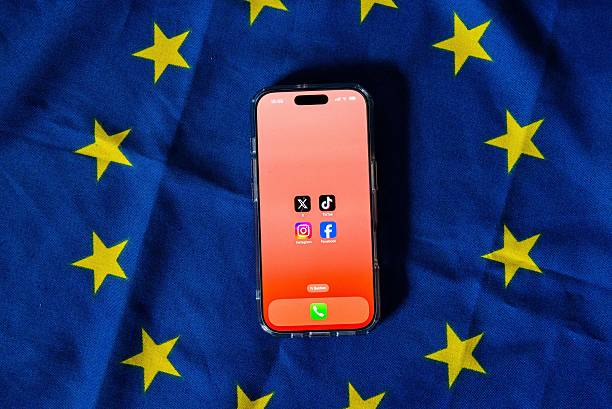
    Photo by Alicia Windzio/picture alliance via Getty Images

    Europe’s digital watchdogs have turned their spotlight once again on three of the world’s biggest tech companies – Apple, Google, and Microsoft. 

    Under the European Union’s Digital Services Act, a sister regulation to the Digital Markets Act, these tech giants have been asked to show exactly how they protect users from the increasing wave of online financial scams that have cost European consumers billions each year.

    Annually, Europeans are reported to lose over €4 billion to scams involving fake banking apps, fraudulent search results, and phony listings. 

    It is because of the pervasiveness of these scams that the EU sent formal letters to Apple, Google, and Microsoft, asking them to explain what concrete steps they have taken to block such scams. 

    What’s under scrutiny? 

    Apple faces questions about how its App Store guards against fake banking apps that trick users into handing over sensitive information. Google is being asked about both Google Playstore’s review process for apps and its search engine’s role in advertising and, in a way, enabling scam sites to scam users. 

    For Microsoft, the EU’s focus lies on Bing and the way the search engine handles scam-related advertisements and links. 

    This scrutiny also extends beyond apps and search engines, as it includes Booking.com, an Europe-based company that’s a direct subsidiary and one of the primary brands of Booking Holdings Inc, which is being investigated over fake accommodation listings designed to defraud travelers. 

    “We see that more and more criminal actions are taking place online,” EU tech chief Henna Virkkunen told The Financial Times. “We have to make sure that online platforms really take all their efforts to detect and prevent that kind of illegal content.”

    The EU’s inquiry-cum-investigation reflects a growing trend in the enforcement of tech policies in the region, with the regulation bloc moving from vague promises to enforceable action. 

    As online scams become more sophisticated, sometimes using AI-generated content to deceive and defraud even savvy internet users, the pressure is mounting on regulation bodies to make social media and tech platforms accountable for what happens in their ecosystems. 

    More importantly, consumers across Europe expect more than just apologies and warnings. They want safer digital spaces where financial fraud is actively prevented, detected quickly, and punished appropriately. This is what the Digital Services Act is designed to ensure. 

    What could change?

    If the EU finds these US-based tech giants falling short, they face major fines and new compliance demands they would have to meet, with potential fines up to 6% of their global annual turnover.

    Beyond penalties, these tech giants may also need to invest heavily in automated detection, better human oversight, and stronger information sharing with regulatory bodies. And if taken into consideration, users could also see tighter controls over app approvals and more visible scam alerts in search results and listings. 

    For Apple, Google, and Microsoft, the stakes are high. Their reputations and billions in revenue hinge on how convincingly they can demonstrate their efforts to protect users. Failure to do so could redefine the landscape of digital trust across transatlantic borders for the global tech industry. 

    As scams evolve, especially during the era of artificial intelligence (AI), so must defenses. As such, more transparent platforms built and ensured by these tech giants will empower users to recognize and avoid scams. And stricter rules by the EU may encourage tech companies globally to raise their standards, making the internet a more trustworthy space for all. 

    The broader context of EU’s regulations amid transatlantic relationships

    There has been recent pressure mounted by the EU on Apple, Google, Microsoft, and other tech giants operating in the region to strengthen their defenses against online scams, especially from sister regulation acts like the Digital Markets Act (DMA). 

    An example is the EU enforcing an antitrust decision against Apple and Meta in April this year, both fining them €500 million and €200 million respectively for violating the DMA.

    Against this backdrop of mounting tensions and fines, the United States under President Donald Trump’s administration has vocally criticized the EU’s DSA and related regulations, framing them as unfair barriers targeting America tech giants and ultimately putting them in the crosshairs of international regulations. 

    In September, he threatened retaliation through tariffs and export restrictions aimed at countries that impose digital regulations seen as discriminatory toward U.S. companies, which the EU is a part of.

    Because both sides continue to seek to balance protecting consumers and ensuring fair competition while avoiding a trade war, and more so for the EU, this pushback from Trump has further complicated the broader transatlantic relationship. 

    The EU insists on its sovereign right to regulate economic activity within its borders, especially to uphold democratic values and protect users from harm online. Conversely, the U.S. administration views the regulations as a form of digital protectionism that unfairly advantages European firms over American tech giants. 

    With billions at the stake of regulatory and compliance enforcement, and the digital economy now at the forefront of trade discussions, these conflicting stances highlight the difficulty of aligning regulatory frameworks between two of the world’s largest markets. 

    The way this standoff resolves or how both parties may or may not reach a compromise could reshape the future of international tech regulation and cross-border commerce.

    AIandPrivacy Apple BigTech Compliance ConsumerProtection ContentModeration cybersecurity DataPrivacy DataProtection Digital Markets Act (DMA) Digital Services Act (DSA) DigitalEconomy DigitalGovernance DigitalMarketsAct DigitalRights DigitalServicesAct DMA DSA EU EUCommission EURegulations European Union EuropeanTech EuropeanUnion EUvsBigTech GlobalTech Google InnovationRegulation InternetSafety Microsoft OnlineRegulation OnlineSafety PlatformAccountability PolicyDebate PolicyWatch PrivacyLaws RegulationNews ResponsibleTech TechCompliance TechEthics TechGovernance TechIndustry TechLaw TechOversight TechPolicy TechRegulation Transparency TrustAndSafety UserProtection
    Share. Facebook Twitter Pinterest LinkedIn Tumblr Telegram Email
    precious
    • LinkedIn

    I’m Precious Amusat, Phronews’ Content Writer. I conduct in-depth research and write on the latest developments in the tech industry, including trends in big tech, startups, cybersecurity, artificial intelligence and their global impacts. When I’m off the clock, you’ll find me cheering on women’s footy, curled up with a romance novel, or binge-watching crime thrillers.

    Related Posts

    Meta Signs Multibillion-Dollar AI Chip Supply Deal with AMD

    March 2, 2026

    NVIDIA AI Chip Demand Continues Driving Cloud Strategy Changes at AWS, Azure, and Google Cloud

    March 1, 2026

    Google DeepMind and OpenAI Intensify Competition as Coding AI Models Target Software Developers

    March 1, 2026

    Comments are closed.

    Top Posts

    MIT Study Reveals ChatGPT Impairs Brain Activity & Thinking

    June 29, 2025

    From Ally to Adversary: What Elon Musk’s Feud with Trump Means for the EV Industry

    June 6, 2025

    Coinbase responds to hack: customer impact and official statement

    May 22, 2025

    Coinbase Hack 2025: Everything we know so far.

    May 21, 2025
    Don't Miss
    Artificial Intelligence & The Future

    Meta Signs Multibillion-Dollar AI Chip Supply Deal with AMD

    By preciousMarch 2, 2026

    Facebook owner Meta has locked in one of the largest AI hardware commitments in the…

    NVIDIA AI Chip Demand Continues Driving Cloud Strategy Changes at AWS, Azure, and Google Cloud

    March 1, 2026

    Google DeepMind and OpenAI Intensify Competition as Coding AI Models Target Software Developers

    March 1, 2026

    Google Expands AI-Generated Audio Tools, Signaling a Major Shift in Digital Advertising Strategy

    March 1, 2026
    Stay In Touch
    • Facebook
    • Twitter
    About Us
    About Us

    Evolving from Phronesis News, Phronews brings deep insight and smart analysis to the world of technology. Stay informed, stay ahead, and navigate tech with wisdom.
    We're accepting new partnerships right now.

    Email Us: info@phronews.com

    Facebook X (Twitter) Pinterest YouTube
    Our Picks
    Most Popular

    MIT Study Reveals ChatGPT Impairs Brain Activity & Thinking

    June 29, 2025

    From Ally to Adversary: What Elon Musk’s Feud with Trump Means for the EV Industry

    June 6, 2025

    Coinbase responds to hack: customer impact and official statement

    May 22, 2025
    © 2025. Phronews.
    • Home
    • About Us
    • Get In Touch
    • Privacy Policy
    • Terms and Conditions

    Type above and press Enter to search. Press Esc to cancel.