


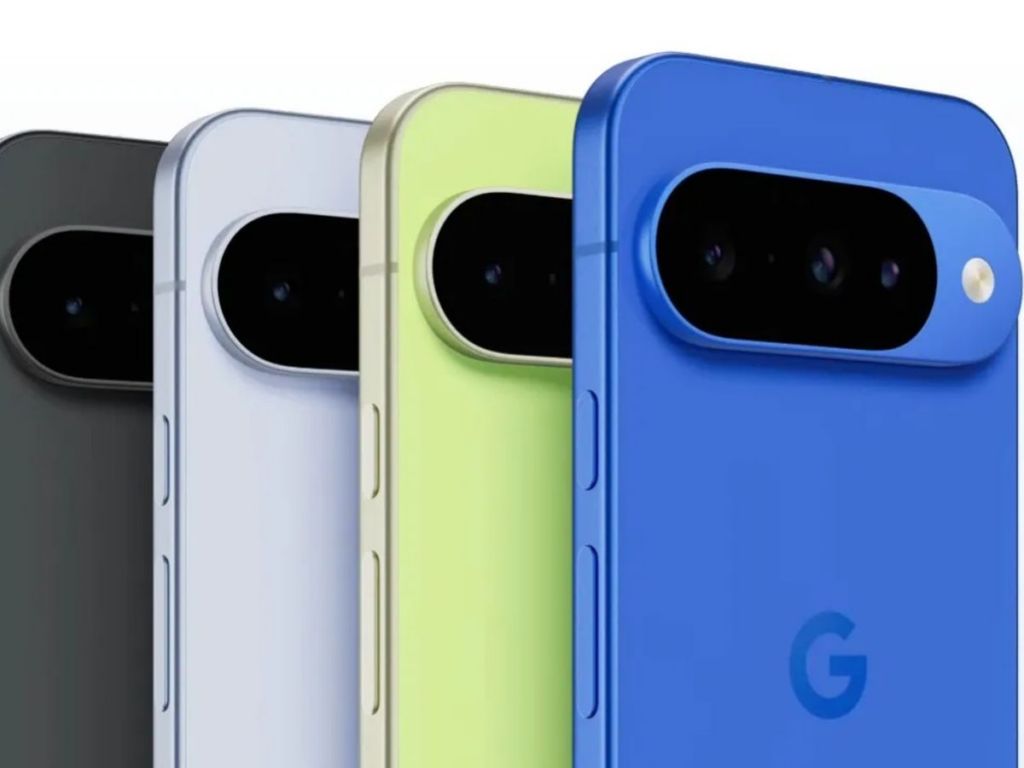
Google faces a memory squeeze as rising RAM costs threaten Pixel 11 pricing. Google says supplier memory costs reached unprecedented levels. According to Google, 1GB of RAM rose from $2.80 in 2025 to $12 in 2026.
Meanwhile, AI data centers keep consuming memory capacity. As a result, Google faces costs linked to the wider AI infrastructure race.
Google Is Raising Pixel 11 Prices as Memory Costs Surge
Google confirmed higher memory costs will affect upcoming hardware. The company said it has absorbed supplier increases for as long as possible.
However, Google now wants users to expect price adjustments for new products. Google has also begun improving Android’s RAM efficiency. The company has not yet disclosed exact Pixel 11 prices.
According to reports, mobile memory prices have increased sharply. LPDDR4X prices could rise 70% to 75% quarter over quarter. Meanwhile, LPDDR5X prices could climb 78% to 83%. Therefore, Google and other smartphone brands face higher component costs.
AI Demand Is Tightening the Global Memory Supply
Currently, this pressure goes beyond smartphones. AI accelerators rely heavily on high-bandwidth memory (HBM) for demanding workloads. Therefore, memory manufacturers have strong incentives to prioritize AI products. Now, Google competes within a market shaped by those priorities.
Furthermore, Samsung, SK hynix, and Micron are shifting capacity toward HBM. Those manufacturers also supply conventional DRAM for smartphones, computers, and servers. As a result, stronger HBM demand can tighten conventional memory supplies. Google must compete within the same broader memory market.
In addition, Samsung expects strong server memory demand during the second half of 2026. The company links growth to continued AI infrastructure investment and wider agentic AI adoption. Because of this, Google faces competition from expanding server demand.
Higher Memory Costs Could Reshape Smartphone Prices
The pressure matters because memory now represents a larger smartphone manufacturing cost. Memory accounted for roughly 30% to 40% of smartphone bill-of-materials costs by early 2026. Until now, memory represented about 10% to 15%.
Additionally, higher memory costs give Google difficult choices. Google can raise prices, absorb costs, reduce memory configurations, or improve software efficiency.
For consumers, Google’s situation could extend beyond Pixel phones. Higher component costs can affect smartphone pricing across the market and manufacturers may change memory configurations to control expenses.
Memory Supply May Remain Under Pressure
Memory manufacturers are investing heavily to expand production. However, Google cannot quickly increase global memory supply. New facilities require substantial investment and time before adding meaningful output. Because of this, Google remains in a difficult position while others expand capacity.
Moreover, Samsung expects AI-related demand to support server memory demand during the second half of 2026. AI server demand will also continue influencing memory markets.
Ultimately, Google’s Pixel 11 pricing reflects a broader supply-chain shift. AI infrastructure is increasing demand for specialized memory while competing for manufacturing capacity. Until new capacity arrives, Google may face continued pressure from elevated memory costs.
