

Close Menu

    Stay Ahead with Exclusive Updates!

    Enter your email below and be the first to know what’s happening in the ever-evolving world of technology!

    What's Hot

    A Firmware Flaw in One of the Most Trusted Bitcoin Hardware Wallets Just Drained Over $70 Million in Crypto. The Coldcard Breach Is a Reminder That Cold Storage Is Only as Safe as the Code Running Inside It

    August 29, 2026

    SMIC Just Reported Record Quarterly Revenue of $3 Billion and Raised Its Chip Prices to Match. China’s Most Important Semiconductor Manufacturer Is No Longer Playing Catch-Up on Revenue Either

    August 29, 2026

    A 19-Day Outage of a Single Overseas AI Model Triggered a UK National Security Review. Governments Are Only Now Realising How Much They Depend on Infrastructure They Do Not Control.

    August 28, 2026
    Facebook X (Twitter) Instagram
    Facebook X (Twitter)
    PhronewsPhronews
    • Home
    • Big Tech & Startups

      SMIC Just Reported Record Quarterly Revenue of $3 Billion and Raised Its Chip Prices to Match. China’s Most Important Semiconductor Manufacturer Is No Longer Playing Catch-Up on Revenue Either

      August 29, 2026

      A 19-Day Outage of a Single Overseas AI Model Triggered a UK National Security Review. Governments Are Only Now Realising How Much They Depend on Infrastructure They Do Not Control.

      August 28, 2026

      Apple Built a Custom AI Model With Alibaba Just to Operate in China. That Compromise Tells You Everything About How Fragmented Global AI Is Becoming.

      August 27, 2026

      A Former Bitcoin Miner Just Raised $2 Billion to Build GPU AI Factories Across Australia and Asia-Pacific. Nvidia, Blackstone, and Coatue Are Betting Firmus’ Liquid-Cooled, Grid-Aware Campuses Can Solve the Power Problem Data Centers Can’t.

      August 25, 2026

      Unitree Robotics Is Going Public in Shanghai at a $9 Billion Valuation and It Makes the Robots You Have Already Seen Walking Around the Internet. Here Is Whether the IPO Price Reflects Reality or Hype

      August 25, 2026
    • Crypto

      A Firmware Flaw in One of the Most Trusted Bitcoin Hardware Wallets Just Drained Over $70 Million in Crypto. The Coldcard Breach Is a Reminder That Cold Storage Is Only as Safe as the Code Running Inside It

      August 29, 2026

      Market Collapse: What Happened to NFTs?

      April 23, 2026

      Quantum Computing Advances Force Coinbase and Institutional Custodians to Rethink Crypto Security

      March 8, 2026

      AI Assisted Hacking Groups Target Crypto Firms With Multi-Layered Social Engineering

      February 18, 2026

      Global Crypto Regulations Expand as 2026 Begins With New Data Collection Frameworks and National Laws

      January 16, 2026
    • Gadgets & Smart Tech
      Featured

      Google Has Launched the Pixel 11 With Its New Tensor G6 Chip and the Deepest Gemini Integration Any Android Phone Has Ever Shipped With. Here Is Whether the Hardware Finally Matches the AI Ambition.

      By preciousAugust 25, 2026
      Recent

      Google Has Launched the Pixel 11 With Its New Tensor G6 Chip and the Deepest Gemini Integration Any Android Phone Has Ever Shipped With. Here Is Whether the Hardware Finally Matches the AI Ambition.

      August 25, 2026

      Apple Just Delayed Development on Its Smart Glasses After Internal Privacy Reviews. The Delay Is the Clearest Sign Yet That Wearable AI Has a Trust Problem That Hardware Cannot Solve.

      August 4, 2026

      Microsoft Is Building Quantum-Resistant Security Before Quantum Computers Can Break the Encryption Protecting Everything. Here Is How Far Along That Work Actually Is

      July 21, 2026
    • Cybersecurity & Online Safety

      A Firmware Flaw in One of the Most Trusted Bitcoin Hardware Wallets Just Drained Over $70 Million in Crypto. The Coldcard Breach Is a Reminder That Cold Storage Is Only as Safe as the Code Running Inside It

      August 29, 2026

      Horizon3 Just Tripled Its Valuation to $2 Billion for AI That Autonomously Pentests Live Production Systems Without Shutting Them Down. The Round Came as OpenAI and Anthropic Admitted Their Own Models Had Breached Real Systems on Their Own.

      August 26, 2026

      A New Attack Family Called Pass-the-Passkey Just Bypassed the MFA That Was Supposed to Make Passwords Obsolete. Windows 11 and Microsoft Entra ID Are Both Affected and the Timing Could Not Be Worse

      August 25, 2026

      Microsoft’s August Patch Tuesday Fixed 398 Security Flaws Including a WinSock Zero-Day That Was Already Being Exploited Before Most People Knew It Existed. Here Is What to Prioritise

      August 24, 2026

      OpenAI’s New Cyber Model Found Two Real Chrome Zero-Days on Its Own. The Same Model Built to Defend Networks Just Proved It Can Also Break Into Them.

      August 23, 2026
    PhronewsPhronews
    Home»Big Tech & Startups»Google Is Warning Us About The Encryption Protecting Your Data Today. It May Not Survive Quantum Computing
    Big Tech & Startups

    Google Is Warning Us About The Encryption Protecting Your Data Today. It May Not Survive Quantum Computing

    fariehanBy fariehanApril 5, 2026No Comments
    Facebook Twitter Pinterest LinkedIn WhatsApp Reddit Tumblr Email
    Share
    Facebook Twitter LinkedIn Pinterest Email
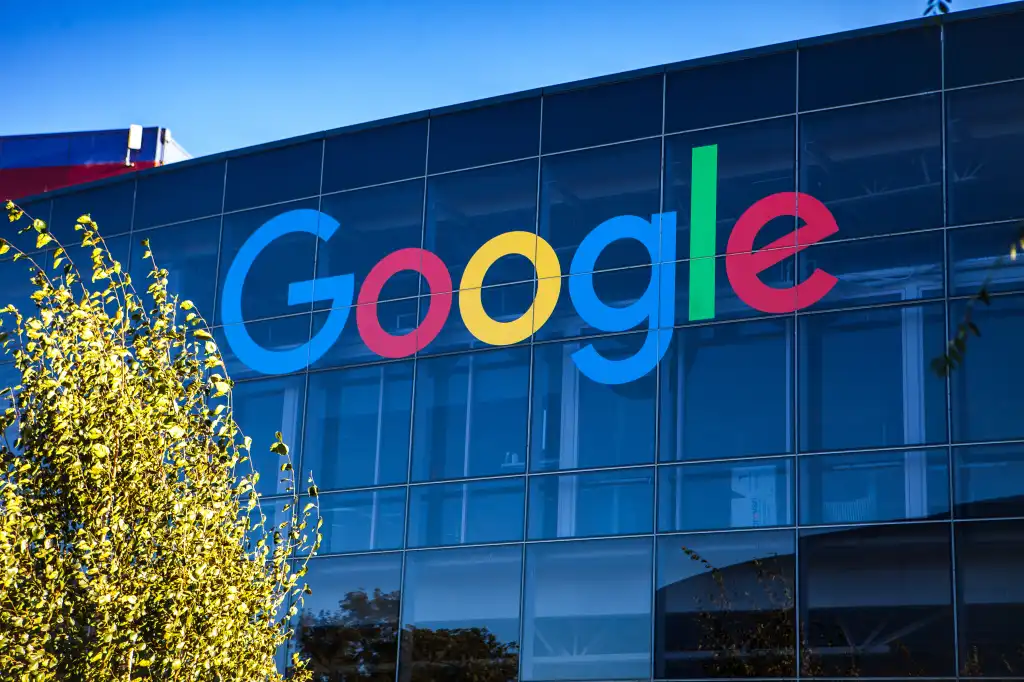
    Photo Credit: Shutterstock.

    In recent months, Google has started warning people about quantum computing and the future of online encryption. The company says the same security that protects your emails, banking and private messages today might not survive quantum computers. 

    Because of this, Google is already testing new forms of encryption to stay ahead of the problem.

    However, experts agree that quantum computing is still very early. No existing quantum machine can break real-world encryption. 

    Today’s Encryption: RSA and ECC Work Fine

    The warning might be urgent but today’s encryption works fine.

    Currently, the most secure websites and apps use algorithms called RSA or ECC. These methods rely on difficult math problems and classical computers cannot solve those problems in any reasonable amount of time.

    For example, breaking a 2048-bit RSA key would take billions of years using today’s technology. 

    As a result, your online transactions, private messages and stored files remain safe from ordinary hackers. So this means there’s no immediate danger.

    Quantum Computing Is Fine (No Threat Yet)

    At the moment, quantum computers are still experimental. They exist in research labs and have only a few dozen stable qubits. A machine capable of breaking RSA or ECC would need millions of qubits. 

    Therefore, experts estimate such a device is ten to twenty years away, if it ever arrives at all.

    Also, current quantum computers make many errors. They cannot run the long calculations needed to crack real encryption.

     Because of this, Google’s warning is not about an immediate danger. Instead, it is about planning for a future that may or may not happen.

    Quantum Computing Could Break Today’s Encryption Later

    Even though quantum computing is fine today, Google warns about a strategy called “Harvest Now, Decrypt Later”. 

    First, attackers copy encrypted data now. Then, they store it for years. They hope that a future quantum computer will eventually decrypt it.

    Now, think about your long-term records like your medical records, financial statements, and government files. They need to stay private for decades.

    If an adversary gets their hands on that data today, they could read it ten or twenty years from now. 

    Google’s Fix: Post-Quantum Cryptography (PQC)

    To address this future risk, Google has started testing post-quantum cryptography in its Chrome browser. 

    First, Google implemented a hybrid key exchange called “X25519Kyber768”. It combines today’s classic encryption with a quantum-resistant algorithm. 

    As a result, even if quantum computers eventually break RSA, the Kyber part would still protect the data.

    In addition, the U.S. National Institute of Standards and Technology (NIST) has already finalized three post-quantum standards. These include CRYSTALS-Kyber for general encryption. Google is helping to test these algorithms in real-world conditions.

    However, post-quantum algorithms have downsides. They require larger keys and slower processing. Some are four kilobytes or more, compared to just 256 bytes for classic encryption. 

    Because of this, the transition will take years and require updates to countless devices.

    What to Do

    To reduce your risk, first keep all your devices updated. Manufacturers often release security patches that improve encryption. 

    Also, use strong, unique passwords for your routers, cameras and smart home devices. 

    At the same time, organizations should begin planning for crypto-agility. 

    That means designing systems that can swap out encryption algorithms without breaking. NIST recommends that companies audit where they use RSA or ECC, especially for long-lived data.

    In addition, individuals can use apps that already support post-quantum cryptography. For example, Signal has added quantum-resistant features. However, this is not yet necessary for everyday safety. It is simply good practice for the future.

    Finally, remember that quantum computing is fine right now. Google’s warning is responsible planning, not a sign of imminent collapse. By taking small steps today, you can ensure that your data remains private even if quantum computers eventually arrive.

    are my medical records at risk? can Google stop quantum threats? can quantum computers crack passwords? crypto-agility does Chrome use post-quantum crypto? does quantum computing exist today? ECC encryption encryption threat Google Chrome security harvest now decrypt later how does post-quantum cryptography work? how many qubits to break RSA? how to prepare for quantum encryption? how to protect long-lived data? hybrid key exchange IoT security risks is harvest now a real threat? is quantum computing dangerous? is quantum computing fine right now? Kyber algorithm NIST standards Post-Quantum cryptography PQC quantum computing qubits explained RSA encryption Shor's algorithm should businesses prepare for quantum computing? should I worry about quantum computing? Signal app encryption what are NIST PQC standards? what are quantum-resistant algorithms? what is crypto-agility? what is harvest now decrypt later? what is Shor's algorithm in simple terms? what is X25519Kyber768? when will encryption change? when will quantum computers arrive? why is Google testing new encryption? will quantum computers break encryption? will VPNs survive quantum computing?
    Share. Facebook Twitter Pinterest LinkedIn Tumblr Telegram Email
    fariehan

    Related Posts

    A Firmware Flaw in One of the Most Trusted Bitcoin Hardware Wallets Just Drained Over $70 Million in Crypto. The Coldcard Breach Is a Reminder That Cold Storage Is Only as Safe as the Code Running Inside It

    August 29, 2026

    SMIC Just Reported Record Quarterly Revenue of $3 Billion and Raised Its Chip Prices to Match. China’s Most Important Semiconductor Manufacturer Is No Longer Playing Catch-Up on Revenue Either

    August 29, 2026

    A 19-Day Outage of a Single Overseas AI Model Triggered a UK National Security Review. Governments Are Only Now Realising How Much They Depend on Infrastructure They Do Not Control.

    August 28, 2026

    Comments are closed.

    Top Posts

    Coinbase responds to hack: customer impact and official statement

    May 22, 2025

    Cursor AI Hits 1 Million Daily Users. Why Developers Are Switching to This Coding Tool

    March 23, 2026

    Anthropic Will Use Claude User Chats For Data Training

    October 16, 2025

    MIT Study Reveals ChatGPT Impairs Brain Activity & Thinking

    June 29, 2025
    Don't Miss
    Crypto, Blockchain & Web3

    A Firmware Flaw in One of the Most Trusted Bitcoin Hardware Wallets Just Drained Over $70 Million in Crypto. The Coldcard Breach Is a Reminder That Cold Storage Is Only as Safe as the Code Running Inside It

    By fariehanAugust 29, 2026

    Hardware wallets promise protection because they keep signing keys away from internet-connected systems. However, secure…

    SMIC Just Reported Record Quarterly Revenue of $3 Billion and Raised Its Chip Prices to Match. China’s Most Important Semiconductor Manufacturer Is No Longer Playing Catch-Up on Revenue Either

    August 29, 2026

    A 19-Day Outage of a Single Overseas AI Model Triggered a UK National Security Review. Governments Are Only Now Realising How Much They Depend on Infrastructure They Do Not Control.

    August 28, 2026

    Apple Built a Custom AI Model With Alibaba Just to Operate in China. That Compromise Tells You Everything About How Fragmented Global AI Is Becoming.

    August 27, 2026
    Stay In Touch
    • Facebook
    • Twitter
    About Us
    About Us

    Evolving from Phronesis News, Phronews brings deep insight and smart analysis to the world of technology. Stay informed, stay ahead, and navigate tech with wisdom.
    We're accepting new partnerships right now.

    Email Us: info@phronews.com

    Facebook X (Twitter) Pinterest YouTube
    Our Picks
    Most Popular

    Coinbase responds to hack: customer impact and official statement

    May 22, 2025

    Cursor AI Hits 1 Million Daily Users. Why Developers Are Switching to This Coding Tool

    March 23, 2026

    Anthropic Will Use Claude User Chats For Data Training

    October 16, 2025
    © 2025. Phronews.
    • Home
    • About Us
    • Get In Touch
    • Privacy Policy
    • Terms and Conditions

    Type above and press Enter to search. Press Esc to cancel.