


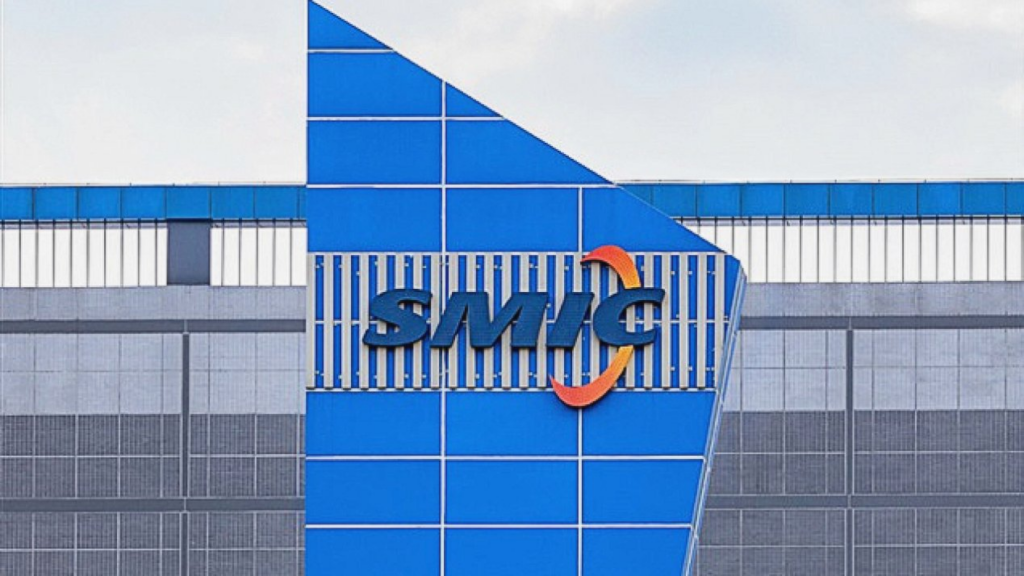
SMIC’s record quarterly revenue has pushed China’s leading chipmaker into a stronger position. For the first time, the company reported quarterly revenue above $3 billion.
However, the financial milestone tells only part of the story. SMIC also raised wafer prices as artificial-intelligence demand tightened available production capacity.
SMIC’s Record Quarterly Revenue Tops $3 Billion
SMIC reported second-quarter revenue of approximately $3.006 billion. Revenue rose 36.1% from a year earlier and 20% from the previous quarter. As a result, SMIC’s record quarterly revenue exceeded market expectations.
In addition, the company recorded a sharp profit increase. Net profit reached $479.2 million, nearly triple the previous year’s result. Meanwhile, wafer shipments climbed 14% from the preceding quarter.
Average wafer prices increased 5.7% during the period. Therefore, SMIC’s record quarterly revenue reflected both higher shipments and improved pricing.
This result marks an important change for the Chinese foundry. Until now, greater sales mainly came from selling more wafers. Now, stronger demand allows SMIC to charge more for some manufacturing capacity.
AI Demand Gives SMIC Pricing Power
Several forces have created the current conditions. First, artificial intelligence projects have increased demand for many types of chips. The demand includes products beyond the best-known processors.
For example, companies need logic chips, power-management components and optical-communications products. Those components help data centres and other AI systems operate effectively.
At the same time, SMIC’s customers are competing for limited factory space. The company said it secured higher prices through negotiations with customers. Those increases will apply to wafers produced during the third quarter.
Moreover, U.S. export controls have limited Chinese companies’ access to foreign foundries and advanced AI hardware. Consequently, domestic customers have greater reasons to use Chinese suppliers.
Chinese customers generated most of SMIC’s reported revenue. This domestic concentration gives the company a large market during a period of strong local demand.
As a result, SMIC record quarterly revenue now signals growing pricing power, not merely expanding production. That distinction makes the latest earnings report more significant.
Why the Next Quarter Matters
The latest performance matters for China’s semiconductor ambitions. Stronger revenue can help SMIC support production expansion and improve its financial position.
In addition, higher prices can strengthen margins when factories operate efficiently. SMIC’s gross margin reached 25.3%, according to industry coverage. The figure exceeded its earlier guidance of 20% to 22%.
Nevertheless, the company still faces serious challenges. U.S. restrictions continue to limit access to advanced manufacturing equipment. Furthermore, SMIC must compete with more technologically advanced global foundries.
Industry reports indicate that SMIC uses complex deep-ultraviolet techniques for advanced production. Leading manufacturers instead rely on extreme-ultraviolet systems. Therefore, SMIC record quarterly revenue does not prove technological leadership across every production category.
The company expects third-quarter revenue to rise between 2% and 4%. It also forecasts a gross margin between 26% and 28%.
Those targets will test whether current demand can support additional price increases. They will also show whether SMIC can expand capacity without losing profitability.
For now, SMIC’s record quarterly revenue confirms a clear shift. China’s most important semiconductor manufacturer is no longer catching up through sales volume alone. Customers are also paying more for the capacity they need.
