


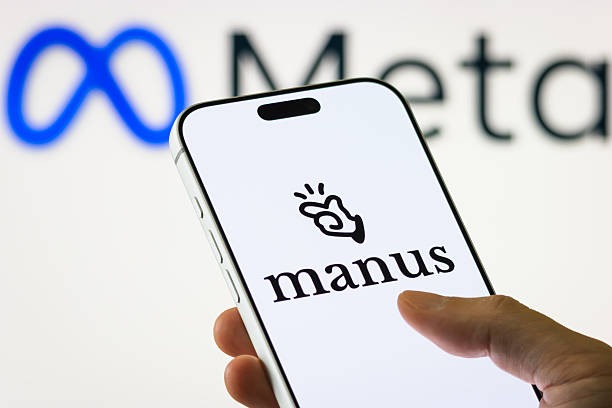
Manus is preparing to return to independent operations after Chinese regulators ordered Meta to reverse its acquisition of the AI agent startup, bringing an unusual end to a deal that was completed months earlier.
Meta acquired Manus on December 29, 2025, in a transaction reported to be worth about $2 billion. However, in April, China’s National Development and Reform Commission prohibited the foreign acquisition and ordered the parties to withdraw from the transaction.
The separation is now moving from a regulatory order to changes that users can see. Manus said it will resume operating independently, while certain users will have data generated after the acquisition deleted as part of the transition.
How the Deal was Reversed
Manus was founded in China before moving its headquarters and core operations to Singapore in 2025, with Meta announcing the acquisition later that year.
Chinese authorities began reviewing the transaction shortly after the acquisition. In January, the Ministry of Commerce said government departments would assess whether the deal complied with rules covering foreign investment, technology transfers, export controls and outbound investment. The NDRC eventually issued its prohibition decision in April.
The regulator did not simply prevent the acquisition from going ahead, it also ordered the completed transaction to be undone. This meant Meta had to separate Manus from its systems and stop sharing data between the companies.
By June, Meta had reportedly cut Manus and its employees off from its internal data systems and stopped its employees from using Manus for internal projects.
Manus is Now Rebuilding its Independence
The unwinding has reached Manus users as well. The company says some affected users must back up their account and task data before August 23. Certain data generated between December 29, 2025 and August 23, 2026 will then be permanently deleted during a two-day service change, with Manus planning to reopen its restoration portal on August 25.
“This is unavoidable as part of Manus’s transition to independent operations and to comply with regulatory requirements in specific jurisdictions,” the company said in an email to its customers. “You can back up your data before the deletion is executed and restore it after Manus resumes independent operations to keep using Manus.”
The company has also said it will continue operating as an independent business. Reports indicate that several of Manus’ former investors, including Tencent, ZhenFund and HSG, are expected to participate in a buyback that would return the company to private ownership at roughly its previous $2 billion valuation. Tencent is expected to become its largest shareholder while retaining a minority stake.
A New Problem for Cross-border AI Deals
The Manus case shows how complicated an international AI acquisition can become after money has exchanged hands and the companies have already started integrating.
The regulatory question was not settled simply because Manus had moved to Singapore before Meta bought it, as Chinese authorities still examined the transaction through the country’s foreign investment security review system and ultimately prohibited the acquisition.
And this makes the Manus deal an important example for companies buying AI startups with ties to multiple countries. Regulators can examine where a company’s technology, assets and operations originated, alongside where it is incorporated when deciding whether a transaction can proceed.
For Meta, the result is a $2 billion acquisition that was completed, integrated and then dismantled. For Manus, the next step is a return to independence, with the company now having to rebuild its operations after spending months under Meta’s ownership.
