

Close Menu

    Stay Ahead with Exclusive Updates!

    Enter your email below and be the first to know what’s happening in the ever-evolving world of technology!

    What's Hot

    NVIDIA AI Chip Demand Continues Driving Cloud Strategy Changes at AWS, Azure, and Google Cloud

    March 1, 2026

    Google DeepMind and OpenAI Intensify Competition as Coding AI Models Target Software Developers

    March 1, 2026

    Google Expands AI-Generated Audio Tools, Signaling a Major Shift in Digital Advertising Strategy

    March 1, 2026
    Facebook X (Twitter) Instagram
    Facebook X (Twitter)
    PhronewsPhronews
    • Home
    • Big Tech & Startups

      NVIDIA AI Chip Demand Continues Driving Cloud Strategy Changes at AWS, Azure, and Google Cloud

      March 1, 2026

      Google DeepMind and OpenAI Intensify Competition as Coding AI Models Target Software Developers

      March 1, 2026

      Google Expands AI-Generated Audio Tools, Signaling a Major Shift in Digital Advertising Strategy

      March 1, 2026

      Amazon Announces $12 Billion Louisiana Data Center Investment to Boost AI and Cloud Capacity

      February 27, 2026

      Hyperscalers Including Microsoft and Amazon Build Private Energy Systems to Power AI Data Centers

      February 27, 2026
    • Crypto

      AI Assisted Hacking Groups Target Crypto Firms With Multi-Layered Social Engineering

      February 18, 2026

      Global Crypto Regulations Expand as 2026 Begins With New Data Collection Frameworks and National Laws

      January 16, 2026

      Coinbase Bets on Stablecoin and On-Chain Growth as Key Market Drivers in 2026 Strategy

      January 10, 2026

      Tether Faces Ongoing Transparency Questions and Reserve Scrutiny Amid Massive Bitcoin Accumulation

      January 5, 2026

      Kanye West YZY Coin Crash Follows $3B Hype Launch

      August 24, 2025
    • Gadgets & Smart Tech
      Featured

      Tesla Launches China AI Training Center for Full Self-Driving Development

      By preciousFebruary 18, 2026
      Recent

      Tesla Launches China AI Training Center for Full Self-Driving Development

      February 18, 2026

      Samsung to Unveil AI-powered Galaxy S26 on February 25 Unpacked Event

      February 13, 2026

      Meta Introduces its Neural Wristband to the World

      February 4, 2026
    • Cybersecurity & Online Safety

      OpenAI Benchmarks AI Models for Smart Contract Security Testing in Blockchain Applications

      February 27, 2026

      Cybersecurity Stocks Drop as Anthropic Launches Claude Code Security Tool

      February 26, 2026

      AI Assisted Hacking Groups Target Crypto Firms With Multi-Layered Social Engineering

      February 18, 2026

      SentinelOne Warns Hackers are Targeting AI in Physical World Systems like Self-Driving Cars

      February 18, 2026

      Deepfake Zoom Calls Used in Corporate Fraud Attacks: Inside the Latest AI Social Engineering Scheme

      February 17, 2026
    PhronewsPhronews
    Home»Big Tech & Startups»U.S. Agency Votes to Crush Chinese Tech Threats
    Big Tech & Startups

    U.S. Agency Votes to Crush Chinese Tech Threats

    preciousBy preciousNovember 6, 2025Updated:November 15, 2025No Comments
    Facebook Twitter Pinterest LinkedIn WhatsApp Reddit Tumblr Email
    Share
    Facebook Twitter LinkedIn Pinterest Email
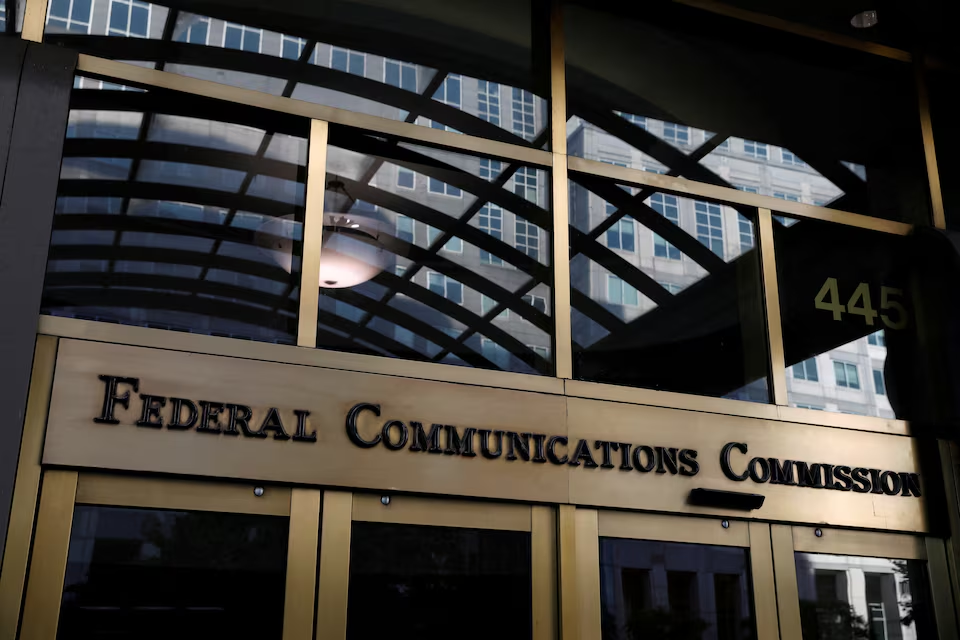
    Photo Credit: REUTERS/Andrew Kelly

    The U.S. Federal Communications Commission (FCC) has taken a decisive step to tighten restrictions on Chinese tech firms that the U.S. deems threats to national security, especially on Chinese telecommunications and surveillance equipment. 

    The FCC’s 3-0 unanimous vote on October 28 gave the agency expanded authority to prohibit both new and previously authorized electronic products linked to Chinese firms identified on its “Covered List,” which includes Big Techs like Huawei, ZTE, and state-associated entities such as China Mobile.

    This move by the FCC is another schtick in the U.S.’ aggressive crackdown on Chinese tech, aimed at closing loopholes that could allow risky devices slip through regulatory cracks which could also ultimately affect the security standing of the U.S.

    As FCC Chair Brendan Carr put it, the agency is closing gaps “that bad actors could use to threaten the security of our networks.” 

    Beyond the vote, a coordinated federal push by the FCC termed the “Operation Clean Carts” has seen major online retailers pull millions of listings for Chinese tech products including smartwatches, security cameras, and other devices that are thought to pose surveillance or cybersecurity risks to the U.S. 

    These electronic equipment are owned by Chinese entities already listed on the agency’s “Covered list,” including companies like Huawei, ZTE, Dahua Technology, and Hangzhou Hikvision.

    “The Communist Party of China has engaged in a multi-prong effort to insert insecure gear into Americans’ homes and businesses,” Carr said in a press release that acknowledged the success of the FCC-sponsored operation. “I am pleased that e-commerce sites quickly responded to the FCC’s efforts to shut down the illegal, online sale of these unlawful devices.”

    Additionally, due to the agency’s new expanded authority, they can now revoke operating licenses from certain Chinese subsidiaries and sever ties with many Chinese government-affiliated telecommunications test labs. This means the denial of the authorization for new Chinese-made telecom gear and also the restriction of the continued sale of existing equipment that threatens or poses a risk to the U.S. communication networks.

    This crackdown comes after the U.S. Commerce Department initiated similar sweeping export controls on Chinese companies. 

    In response to this move, China has also been ramping up its own measures. The government recently mandated that state-backed data centers source and use only domestically-made AI chips, which may exclude U.S. chipmakers like Nvidia and Intel from critical infrastructure projects and further puts them in the crosshairs of growing geopolitical friction. 

    The FCC’s recent actions and the broader U.S.-China tech standoff highlights  the high stakes of controlling emerging technologies with geopolitical and economic implications. 

    While the FCC is striking hard at Chinese tech companies and their suppliers of tech devices that could compromise the U.S. security, it remains to be seen whether these measures will significantly alter the global technology landscape or go as far as push China into building a similar superior technology ecosystem.

    AI chips brendan carr China China Mobile chinese tech crackdown covered list cybersecurity risks dahua data centers device ban ecommerce enforcement emerging technology export controls fcc Federal Communications Commission geopolitics global tech landscape Hangzhou Hikvision hikvision Huawei Intel license revocation National Security Nvidia Operation Clean Carts regulatory crackdown supply chain security surveillance concerns surveillance equipment tech restrictions telecom security telecommunications equipment united states us commerce department US-China tech war ZTE
    Share. Facebook Twitter Pinterest LinkedIn Tumblr Telegram Email
    precious
    • LinkedIn

    I’m Precious Amusat, Phronews’ Content Writer. I conduct in-depth research and write on the latest developments in the tech industry, including trends in big tech, startups, cybersecurity, artificial intelligence and their global impacts. When I’m off the clock, you’ll find me cheering on women’s footy, curled up with a romance novel, or binge-watching crime thrillers.

    Related Posts

    NVIDIA AI Chip Demand Continues Driving Cloud Strategy Changes at AWS, Azure, and Google Cloud

    March 1, 2026

    Google DeepMind and OpenAI Intensify Competition as Coding AI Models Target Software Developers

    March 1, 2026

    Google Expands AI-Generated Audio Tools, Signaling a Major Shift in Digital Advertising Strategy

    March 1, 2026

    Comments are closed.

    Top Posts

    MIT Study Reveals ChatGPT Impairs Brain Activity & Thinking

    June 29, 2025

    From Ally to Adversary: What Elon Musk’s Feud with Trump Means for the EV Industry

    June 6, 2025

    Coinbase responds to hack: customer impact and official statement

    May 22, 2025

    Coinbase Hack 2025: Everything we know so far.

    May 21, 2025
    Don't Miss
    Big Tech & Startups

    NVIDIA AI Chip Demand Continues Driving Cloud Strategy Changes at AWS, Azure, and Google Cloud

    By fariehanMarch 1, 2026

    Nvidia is now in control of roughly 80% of the AI data center chip market…

    Google DeepMind and OpenAI Intensify Competition as Coding AI Models Target Software Developers

    March 1, 2026

    Google Expands AI-Generated Audio Tools, Signaling a Major Shift in Digital Advertising Strategy

    March 1, 2026

    Amazon Announces $12 Billion Louisiana Data Center Investment to Boost AI and Cloud Capacity

    February 27, 2026
    Stay In Touch
    • Facebook
    • Twitter
    About Us
    About Us

    Evolving from Phronesis News, Phronews brings deep insight and smart analysis to the world of technology. Stay informed, stay ahead, and navigate tech with wisdom.
    We're accepting new partnerships right now.

    Email Us: info@phronews.com

    Facebook X (Twitter) Pinterest YouTube
    Our Picks
    Most Popular

    MIT Study Reveals ChatGPT Impairs Brain Activity & Thinking

    June 29, 2025

    From Ally to Adversary: What Elon Musk’s Feud with Trump Means for the EV Industry

    June 6, 2025

    Coinbase responds to hack: customer impact and official statement

    May 22, 2025
    © 2025. Phronews.
    • Home
    • About Us
    • Get In Touch
    • Privacy Policy
    • Terms and Conditions

    Type above and press Enter to search. Press Esc to cancel.