






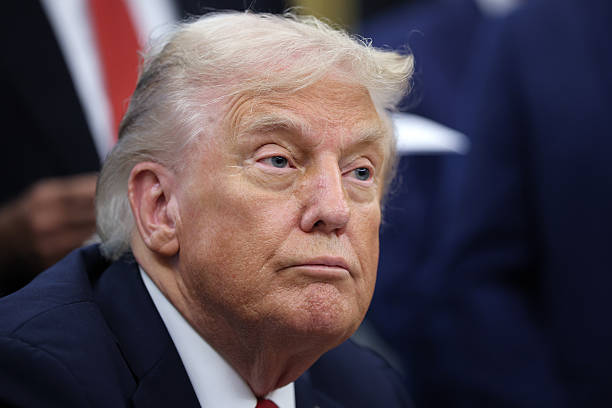
U.S. President Donald Trump called off a White House signing ceremony for a widely anticipated executive order on artificial intelligence (AI) on May 21, just hours before it was scheduled to take place.
Trump told reporters in the Oval Office that he postponed it “because I didn’t like certain aspects of it,” and said he did not want to do anything that could slow down America’s lead over China in AI development.
What the Order Was Designed to Do
The executive order draft proposed a voluntary vetting system where AI companies could submit their most advanced models to federal agencies up to 90 days before public release. The goal was to allow the government to test for dangerous capabilities and find security weaknesses before hackers or foreign governments could exploit them. The order stopped short of mandatory federal approval of advanced AI models, and would have updated existing cybersecurity information-sharing programs to bring AI companies into the fold.
It is also important to note that this order did not appear out of thin air. Treasury Secretary Scott Bessent and outgoing Federal Reserve Chair Jerome Powell had convened an urgent meeting with Wall Street CEOs in April, warning them about cybersecurity risks posed by Anthropic’s Claude Mythos model.
Bessent described the meeting as necessary to make banks aware of the security risks associated with newer models, saying at a CNBC forum, “This new Anthropic model is very powerful. Some banks are doing a better job in cybersecurity than others, and we want to have the ability to convene them and talk about what is best practices.”
The Financial Times also reported that the executive order took shape after Hassett and Bessent received classified demonstrations of advanced commercial AI systems that exposed serious weaknesses in the global banking network.
The Phone Calls That Stopped It
Between Wednesday evening and Thursday morning, SpaceX CEO Elon Musk, Meta founder Mark Zuckerberg, and former AI and crypto advisor David Sacks each called Trump directly, according to many reports. They warned that the proposed review system could slow down AI development, according to reporting by the Washington Post and Politico.
Sacks had initially indicated he could accept the draft after being briefed on it by science advisor Michael Kratsios, staff secretary Will Scharf, and National Cyber Director Sean Cairncross. But late Wednesday night, he began raising concerns that the voluntary framework could effectively become mandatory over time and be misused by future administrations. By Thursday morning, he called Trump directly without informing his own staff, and the signing was cancelled.
The Bigger Problem the Cancellation Exposes
Congress has not passed any legislation regulating AI, leaving the technology growing rapidly without any federal guardrails in place. The cancellation also sits in direct contrast to Trump’s own December 2025 executive order, which targeted what his administration called “excessive state regulation” of AI and launched a Department of Justice task force to challenge state-level AI laws.
That order was designed to stop states from acting. This one would have put something federal in their place. Neither is fully in effect.
Senator Mark Kelly (D-Ariz.) called the cancellation a failure, writing that “America cannot lead in AI if our policy is determined by whichever billionaire gets the President on the phone last.”
For now, the most powerful AI models in the world are being released without any government review process in place, and the one attempt to create even a voluntary one was stopped by a handful of phone calls from influential Big Tech executives.


