






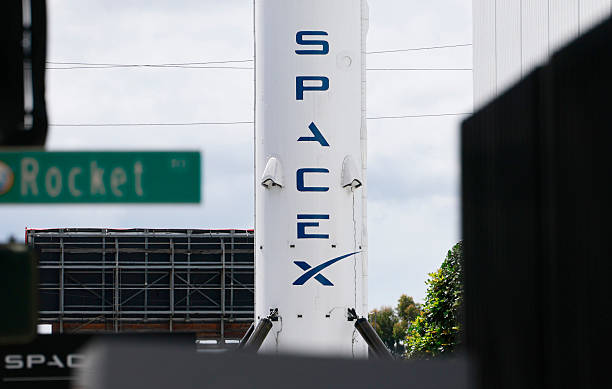
After years of operating as one of the most closely watched private companies in the world, SpaceX is going public. On May 20, 2026, Elon Musk’s aerospace company filed its S-1 registration with the U.S. Securities and Exchange Commission, officially starting the process to list its shares on the stock market for the first time. The company plans to trade on the Nasdaq under the ticker SPCX, with shares expected to start trading on June 12.
The target valuation is between $1.75 trillion and $2 trillion, and the company is looking to raise as much as $75 billion from the offering. No IPO in history has come close to that number.
Why This Is Different From Every IPO Before It
For context on just how large this is, the previous record holder was Saudi Aramco, the Saudi Arabian oil company that raised roughly $29 billion when it went public in 2019. SpaceX is targeting more than double that figure. If it raises anywhere near the reported range, it would immediately become the largest public market debut ever recorded.
What makes this even more significant is the kind of company going public, as SpaceX is not a traditional business. It operates Starlink, a satellite internet service with over 10 million paying subscribers across more than 100 countries, making it one of the largest internet providers in the world.
It also runs the rocket launch business that has made Falcon 9 the most flown orbital rocket in history. And earlier this year, in February 2026, SpaceX merged with xAI, Elon Musk’s artificial intelligence (AI) company, folding the Grok AI model and its data center infrastructure into the same corporate structure. All three of these businesses are going public together as one entity under SPCX.
What SpaceX Actually Earns
SpaceX made $18.67 billion in revenue in 2025, which was a 33% increase from the year before. Starlink drives the bulk of that, accounting for about 60% of total revenue. The satellite internet business is genuinely profitable and growing fast. And the rocket launch division contributes roughly 22%.
The AI segment, however, is a different story. Since the merger with xAI, that part of the business has been spending heavily on data centers and computing infrastructure, and it is still not profitable. This is one of the reasons the company’s overall financials show a net loss despite strong revenue growth. As such, investors coming into this IPO are being asked to bet not just on what SpaceX earns today but on what the AI and space infrastructure businesses will be worth years from now.
Who Gets to Buy In
One of the more unusual features of this offering is how SpaceX is distributing shares. Typically, large IPOs give the overwhelming majority of shares to big institutional investors like hedge funds and pension funds, with retail investors getting very little access at the opening price.
But SpaceX is doing something different. About 30% of the shares are being allocated to retail investors through platforms like Robinhood, Fidelity, and Charles Schwab. That is roughly three times the retail slice most major IPOs offer, and it means everyday investors will have a genuine shot at buying in at the IPO price rather than waiting to buy after the stock has already started trading.
Goldman Sachs is the lead underwriter, with Morgan Stanley, Bank of America, Citigroup, and JPMorgan also part of the syndicate.
What Changes for the Tech Market
The ripple effects of this listing extend well beyond SpaceX itself. Nasdaq recently changed its rules in a way that could allow SPCX to be added to the Nasdaq 100 index within 15 trading days of going public. If that happens, every fund that tracks the Nasdaq 100 would be required to buy SpaceX shares, which means billions of dollars in automatic purchases hitting the market in a very short window.
Smaller companies in the space sector have already started moving in anticipation. Several satellite and aerospace stocks have seen sharp gains this year as investors position themselves ahead of what they expect to be a repricing of the entire sector once SpaceX sets a public benchmark.
SpaceX is also expected to be the first of three major tech companies going public in 2026. OpenAI and Anthropic are both reportedly watching how this offering lands before deciding whether to move forward with their own listings. In that sense, June 12 represents the opening of a new chapter for how the tech industry finances itself.


