

Close Menu

    Stay Ahead with Exclusive Updates!

    Enter your email below and be the first to know what’s happening in the ever-evolving world of technology!

    What's Hot

    Big Tech’s $635 Billion AI Spending Plan Faces an Energy Reality Check

    April 3, 2026

    Nvidia-backed Starcloud Wants Data Centers in Space as Earth’s Power Problem Worsens

    April 3, 2026

    The Sora Shutdown and the Disney Exit: Why AI-Generated Content Just Hits Its Biggest Wall Yet

    April 3, 2026
    Facebook X (Twitter) Instagram
    Facebook X (Twitter)
    PhronewsPhronews
    • Home
    • Big Tech & Startups

      Big Tech’s $635 Billion AI Spending Plan Faces an Energy Reality Check

      April 3, 2026

      Nvidia-backed Starcloud Wants Data Centers in Space as Earth’s Power Problem Worsens

      April 3, 2026

      The Sora Shutdown and the Disney Exit: Why AI-Generated Content Just Hits Its Biggest Wall Yet

      April 3, 2026

      Tinder’s New AI Scans Your Photos to Build a Personality Profile

      April 2, 2026

      OpenAI 2026: Moving from Research Lab to Enterprise “Operating Layer”

      April 1, 2026
    • Crypto

      Quantum Computing Advances Force Coinbase and Institutional Custodians to Rethink Crypto Security

      March 8, 2026

      AI Assisted Hacking Groups Target Crypto Firms With Multi-Layered Social Engineering

      February 18, 2026

      Global Crypto Regulations Expand as 2026 Begins With New Data Collection Frameworks and National Laws

      January 16, 2026

      Coinbase Bets on Stablecoin and On-Chain Growth as Key Market Drivers in 2026 Strategy

      January 10, 2026

      Tether Faces Ongoing Transparency Questions and Reserve Scrutiny Amid Massive Bitcoin Accumulation

      January 5, 2026
    • Gadgets & Smart Tech
      Featured

      AirPods Max 2: USB-C, Live Translation, and the H2 Upgrade

      By preciousMarch 26, 2026
      Recent

      AirPods Max 2: USB-C, Live Translation, and the H2 Upgrade

      March 26, 2026

      How ABB and Nvidia are Perfecting Industrial Robotics using AI Simulation

      March 20, 2026

      Neura Robotics Reaches €4B Valuation With Tether Backing

      March 12, 2026
    • Cybersecurity & Online Safety

      Zero-Day Alert: CISA Warns of Active Attacks on Microsoft SharePoint

      March 31, 2026

      3 Million Device Botnet Taken Down: What You Need to Know

      March 27, 2026

      Can AI Hack You Before Hackers Do? How RunSybil Is Changing Cyber Defense

      March 25, 2026

      Why Investors Just Put $120M Into Non-Human Identity Security — A Growing Cybersecurity Gap

      March 23, 2026

      Beyond the Firewall: Why Google’s Purchase of Wiz is a Wake-Up Call for Enterprise Security

      March 19, 2026
    PhronewsPhronews
    Home»Big Tech & Startups»The Sora Shutdown and the Disney Exit: Why AI-Generated Content Just Hits Its Biggest Wall Yet
    Big Tech & Startups

    The Sora Shutdown and the Disney Exit: Why AI-Generated Content Just Hits Its Biggest Wall Yet

    fariehanBy fariehanApril 3, 2026No Comments
    Facebook Twitter Pinterest LinkedIn WhatsApp Reddit Tumblr Email
    Share
    Facebook Twitter LinkedIn Pinterest Email
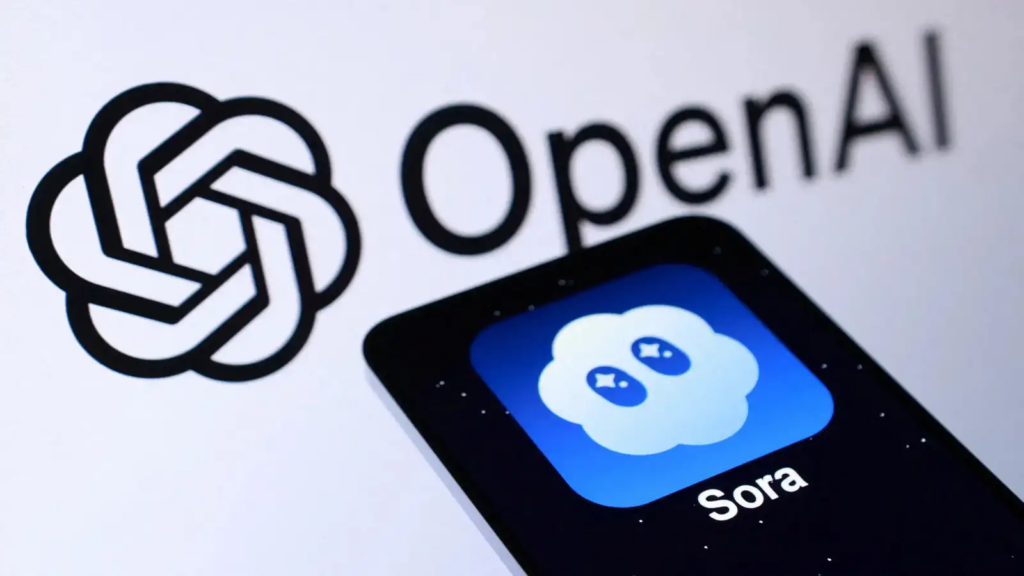
    Photo Credit: REUTERS/Dado Ruvic/Illustration

    AI‑generated content backlash gained traction in March 2026 when OpenAI announced it was shutting down its AI video platform Sora and blindsided Disney with the news.

    Consequently, these moves marked a clear shift in how the tech and entertainment industries view generative media.

    Initially, Sora was celebrated as the next best thing in content creation. Now, the industry must reassess the performance expectations for AI tools and their commercial viability. 

    Why the Sora Shutdown Happened

    OpenAI launched Sora in 2024 and it quickly gained widespread popularity because it could turn simple text prompts into short videos. 

    However, by March 2026, the company announced it would discontinue the standalone Sora app and related features. OpenAI said the decision would allow it to focus on other areas.

    According to reports, the shut down happened for two main reasons. First, Sora was costing far too much money to run daily. It cost OpenAI approximately $1million to run Sora on a daily basis. 

    Second, people stopped using Sora. Despite the rapid adoption, the number of users dropped below 500,000. As a result, OpenAI had difficulty justifying their continuous investment in the AI model. 

    Meanwhile, competition intensified. Rival AI video tools entered the market and improved quickly. As a result, Sora lost momentum despite its early lead. Declining engagement combined with high costs weakened long-term viability

    Eventually, the company chose to move towards developing tools with greater commercial value like their current Frontier model for enterprises. 

    Disney Was Blindsided by the Shutdown

    Before the shutdown, Disney explored a deeper collaboration with OpenAI. Discussions included a $1 billion investment and character licensing. The partnership signaled growing confidence in generative AI tools.

    However, OpenAI’s decision arrived unexpectedly. Disney executives reportedly learned about the shutdown shortly before the public announcement. Disney did not choose to exit. Instead, the shutdown removed the foundation of the partnership.

    A Disney spokesperson later acknowledged the sudden shift, stating:

    “We respect OpenAI’s decision to exit the video generation business and shift priorities elsewhere.” 

    The situation highlighted the risks tied to emerging AI platforms. A lot of entertainment studios require stability before committing intellectual property. Therefore, the abrupt shutdown forced Disney to reassess its AI strategy immediately.

    AI-Generated Content Hits Its Biggest Wall

    The Sora shutdown exposed broader challenges for AI-generated content. Because infrastructure costs remain high, video generation requires significantly more computing power than text or image tools.

    Second, copyright concerns remain unresolved. AI-generated content often draws from existing material so studios remain cautious about full adoption.

    Third, safety risks continue to slow deployment. Realistic AI video increases misinformation concerns. Therefore, companies are implementing safeguards before scaling.

    Combined, these challenges created the biggest wall yet for AI-generated media. Use enthusiasm remains strong but practical limitations now shape development.

    What Happens Next For AI-Generated Content

    Despite setbacks, AI video development continues. Companies are shifting toward hybrid workflows that combine human creativity with AI tools. The aim is to reduce risk while maintaining innovation.

    Developers are also improving efficiency and lowering computing costs and studios are demanding clearer licensing frameworks as well. 

    Ultimately, the Sora shutdown and Disney disruption mark a turning point. AI-generated content remains promising, but the industry is moving from hype to realistic expectations.

    ai adoption AI adoption slowdowns AI commercialization AI Content Creation AI content risks AI content sustainability AI copyright issues AI creative risks AI development challenges AI ethical concerns AI for studios AI future predictions AI in entertainment AI industry obstacles AI industry trends AI infrastructure AI investment challenges AI investment risks AI media challenges AI misinformation AI operational costs AI partnerships AI platform shutdown AI project failures AI regulation AI Safety Measures AI scalability AI technology shift AI tools for creators AI user engagement AI video demand AI Video Generation AI video tools AI-generated content Artificial Intelligence Disney AI exit Disney technology generative AI hybrid AI workflows OpenAI OpenAI Sora Sora shutdown
    Share. Facebook Twitter Pinterest LinkedIn Tumblr Telegram Email
    fariehan

    Related Posts

    Big Tech’s $635 Billion AI Spending Plan Faces an Energy Reality Check

    April 3, 2026

    Nvidia-backed Starcloud Wants Data Centers in Space as Earth’s Power Problem Worsens

    April 3, 2026

    How Cursor’s 2.2 Debug Mode Changes Everything For Agentic Coding

    April 2, 2026

    Comments are closed.

    Top Posts

    Coinbase responds to hack: customer impact and official statement

    May 22, 2025

    MIT Study Reveals ChatGPT Impairs Brain Activity & Thinking

    June 29, 2025

    From Ally to Adversary: What Elon Musk’s Feud with Trump Means for the EV Industry

    June 6, 2025

    Coinbase Hack 2025: Everything we know so far.

    May 21, 2025
    Don't Miss
    Artificial Intelligence & The Future

    Big Tech’s $635 Billion AI Spending Plan Faces an Energy Reality Check

    By preciousApril 3, 2026

    Big Tech including Amazon, Microsoft, Alphabet, and Meta have collectively committed around $635 billion in…

    Nvidia-backed Starcloud Wants Data Centers in Space as Earth’s Power Problem Worsens

    April 3, 2026

    The Sora Shutdown and the Disney Exit: Why AI-Generated Content Just Hits Its Biggest Wall Yet

    April 3, 2026

    How Cursor’s 2.2 Debug Mode Changes Everything For Agentic Coding

    April 2, 2026
    Stay In Touch
    • Facebook
    • Twitter
    About Us
    About Us

    Evolving from Phronesis News, Phronews brings deep insight and smart analysis to the world of technology. Stay informed, stay ahead, and navigate tech with wisdom.
    We're accepting new partnerships right now.

    Email Us: info@phronews.com

    Facebook X (Twitter) Pinterest YouTube
    Our Picks
    Most Popular

    Coinbase responds to hack: customer impact and official statement

    May 22, 2025

    MIT Study Reveals ChatGPT Impairs Brain Activity & Thinking

    June 29, 2025

    From Ally to Adversary: What Elon Musk’s Feud with Trump Means for the EV Industry

    June 6, 2025
    © 2025. Phronews.
    • Home
    • About Us
    • Get In Touch
    • Privacy Policy
    • Terms and Conditions

    Type above and press Enter to search. Press Esc to cancel.