


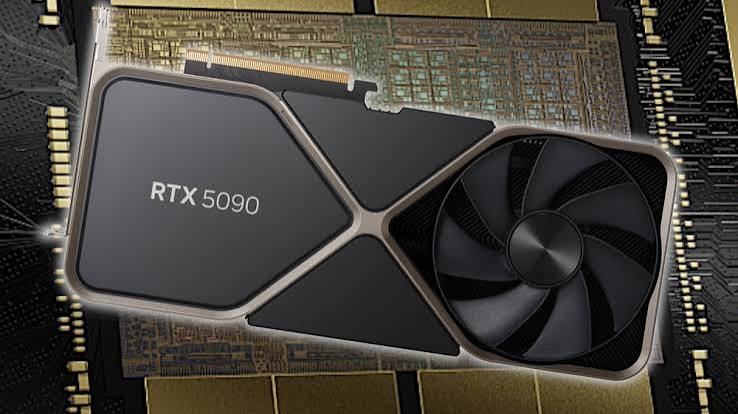
Nvidia’s RTX 5090 launched at $1,999, yet its market price has climbed above $4,000. Currently, prices have reached roughly $4,400.
The increase reveals how AI’s enormous hardware appetite can reshape consumer technology. More importantly, the flagship GPU now reflects wider pressure across memory and computing supply chains.
A Flagship GPU Has Become Far More Expensive
On the 30th of January 2025, Nvidia launched Nvidia’s RTX 5090 with 32GB of GDDR7 memory. The company set its US launch price at $1,999. However, market prices have risen sharply since launch. By August 2026, prices had reached roughly $4,400.
Nvidia designed the RTX 5090 with 32GB of GDDR7 memory and Blackwell architecture. The company targeted gaming, creation, and supporting demanding AI workloads with the card.
Because of this sudden surge, other RTX 50-series models have also experienced substantial increases. The RTX 5070 rose 36%, while the RTX 5060 increased 27%.
Consumers Are Feeling the Wider Hardware Squeeze
For gamers, the RTX 5090 now costs more than twice its original price. Such an increase makes high-end gaming considerably more expensive. In addition, developers and creators also depend on powerful GPUs for demanding workloads. Rising prices increase the cost of local computing.
Meanwhile, major AI companies can commit enormous sums to infrastructure and long-term supply agreements. Smaller organizations cannot necessarily match their purchasing power. As a result, competition for scarce hardware can widen access gaps across the technology market.
AI Expansion Could Keep Prices Elevated
The next phase depends heavily on supply and continued AI investment. GPU prices have remained elevated after moving closer to normal levels in late 2025. Because of this, the RTX 5090 may not quickly return to its original price. However, companies are pursuing alternatives.
For now, Nvidia’s RTX 5090 sits between strong consumer demand and AI’s expanding hardware appetite. Its extraordinary premium shows how quickly AI investment can influence consumer technology. Until supply catches up with demand, buyers may continue paying substantially more for high-end computing hardware.
