






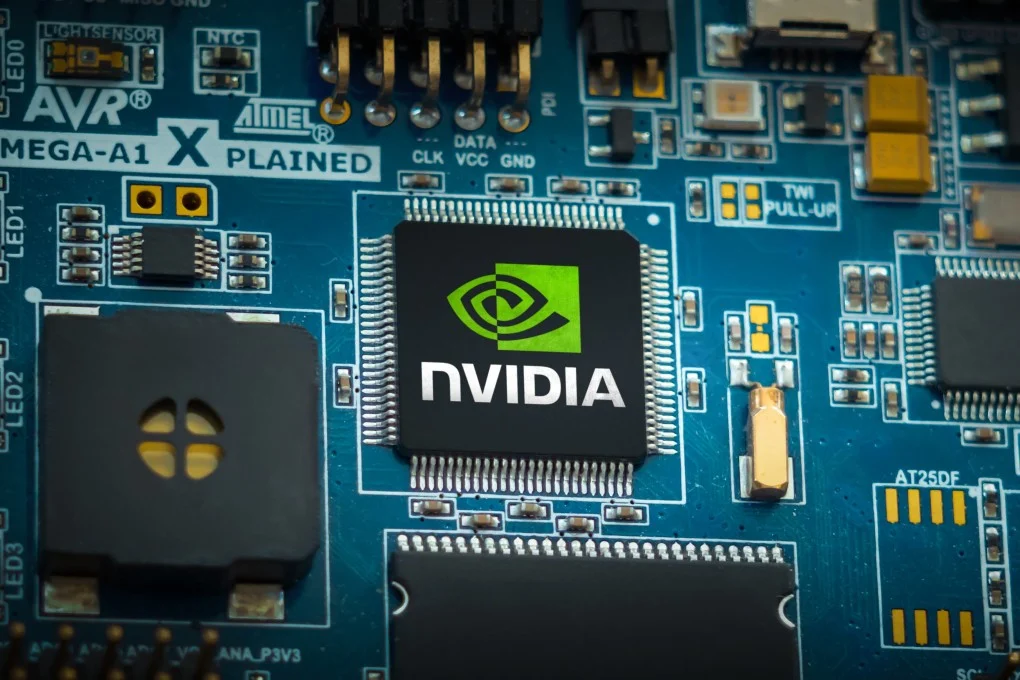
The United States is quietly shifting its stance on Nvidia H200 chips, marking a major turn in the AI chip war.
After years of strict export restrictions, Washington is now allowing limited access again. The decision reflects both economic and strategic considerations in the rapidly evolving AI race.
Why Nvidia H200 Chips Restrictions Happened
At the time, there were rising concerns over the strategic use of AI chips which led the U.S to classify high-end Nvidia hardware as restricted technology. These chips can support both civilian AI and military applications, which made them a focus for national security enforcement.
However, investigations also revealed that Chinese universities linked to defense research had acquired servers containing restricted Nvidia chips. As a result, lawmakers reinforced export controls to prevent these chips from advancing China’s high-end computing capabilities.
How the Policy Changed
Over time, Nvidia received approval to sell a limited number of H200 chips to Chinese customers under government supervision. In addition, U.S. officials proposed limits on how many chips each company could buy, signaling a move toward controlled access rather than a complete ban.
At the same time, Chinese companies accelerated the development of domestic AI chips. Huawei introduced new hardware that attracted attention from major firms such as ByteDance and Alibaba. These developments contributed to the U.S. decision to allow limited Nvidia sales while maintaining strategic oversight.
Why Nvidia H200 Chips Access Remains Controversial
Despite the policy change, concerns remain. Authorities uncovered a large-scale smuggling operation involving AI servers that allegedly ended up in China, showing the challenges of enforcing export controls.
In addition, some lawmakers also warn that even controlled access could accelerate China’s AI capabilities. Consequently, debates continue over whether the current limits sufficiently protect national security while supporting U.S. companies.
What This Means for the Future
Overall, the H200 pivot represents a strategic shift. Instead of trying to block China completely, the United States now controls access while monitoring sales. By allowing Nvidia to sell limited chips, officials slow China’s AI progress without fully cutting off a key market.
Ultimately, this approach balances economic interests with security concerns and establishes a middle ground that could shape the global AI chip landscape for years to come.


