


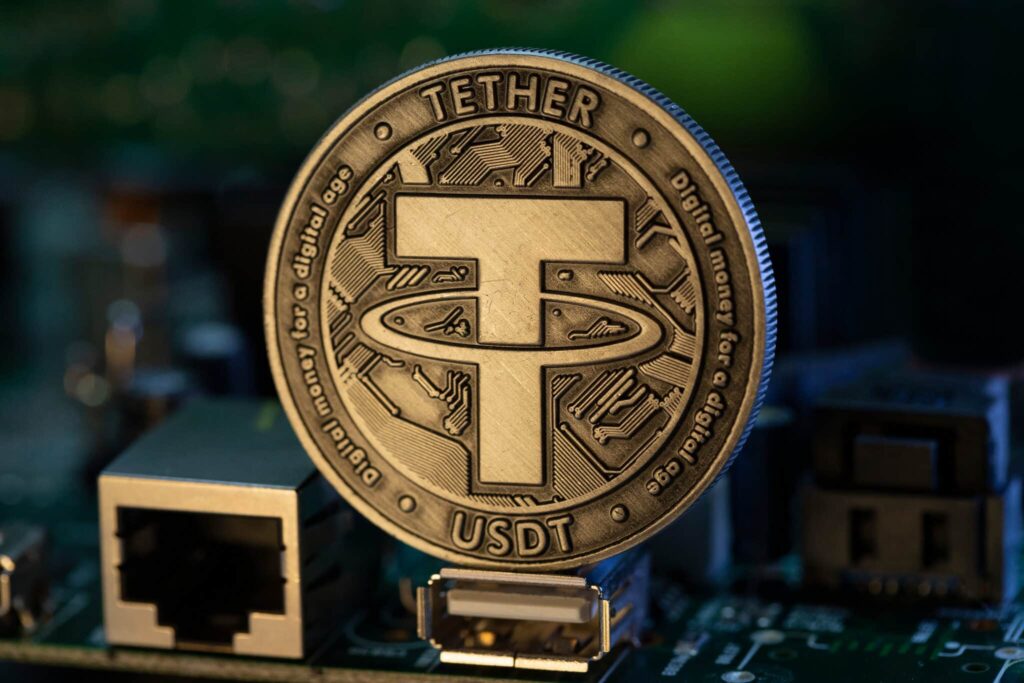
Tether (USDT), considered to be the world’s largest stablecoin distributor is once more under scrutiny in the crypto world due to growing concerns regarding transparency and deepening reserve composition.
Tether has experienced years of criticism regarding reserve disclosure and the situation has escalated as it continues to expand its holdings outside traditional assets (U.S treasury bills, Corporate bonds) and this is achieved through a large accumulation of Bitcoin (BTC). This has piqued the interest of regulatory bodies and raised questions amongst market analysts and investors regarding financial risks and reserve liability.
In May 2023, Tether announced a significant upgrade to their reserve strategy. It will allocate up to 15% of its quarterly operating profits to buying Bitcoin (BTC) and this was considered a remarkable adjustment from possessing traditional liquified assets. In short, Tether systematically incorporated Bitcoin into its reserve diversification and intends to garner Bitcoin (BTC) as a long-term store of value.
Furthermore, as a result of the 2023 policy, Tether sustained systematic purchases of Bitcoin (BTC) throughout 2025 and by the end of the year, the company made a large Bitcoin acquisition. On the 31st of December 2025, Tether moved 8,888.8888888 Bitcoin (BTC) estimated to be worth about $778 million into its main reserve wallet as part of its quarterly BTC acquisition plan. This purchase has brought the company’s total publicly disclosed assets to over 96,000 BTC (which is approximately $8.4 billion), making Tether one of the five greatest holders of Bitcoin globally.
However, as Tether’s Bitcoin accumulation grows, so does scrutiny from regulatory bodies, market analysts and investors seeking clear answers.
How the Scrutiny of Tether Reserves Affects Global Crypto Markets
Tether (USDT) is the largest stablecoin issuer in the world and the scrutiny surrounding its reserves and bitcoin accumulation is deeper than a company-level problem, it affects liquidity, pricing, confidence, regulations and market structure globally.
- Global Liquidity Becomes More Fragile
USDT supports a significant share of global crypto trading volume and when Tether reserves are questioned, traders become more cautious about holding USDT for a long period and market exchanges may become more diversified. This makes markets less efficient and more unstable especially during stress periods.
- Market Instability Rises Around Reserve News
Information about Tether’s reserve spreads quickly around global crypto markets and when participants read about the company’s accumulation of BTC and how it constitutes a larger share of USDT than safety margins allow, it causes swift allocation of funds and dumping or buying based solely on sentiments.
In return, holding prices like BTC and other stablecoins become more sensitive to new cycles and short-term volatility rises around important reporting dates and regulatory announcements.
- Stablecoin Trust Becomes a Macro Risk Factor
Stablecoin used to be considered neutral instruments in crypto but reserve scrutiny has shifted general perception from the credibility of stablecoin into market risk factors like inflation and interest rates in traditional finance.
- Regulatory Response Becomes More Coordinated and Strict
Reserve scrutiny isn’t just considered market analysis, it influences actual regulation. Ratings and criticism of unclear reserve structures push the government to constrict stablecoin controls. This regulatory measure ensures that stablecoin meets higher transparency and liquidity standards or it experiences even more constraints to market access.
Navigating Tether (USDT) Uncertain Future
Tether’s shift to Bitcoin reserves indicates a high-stake bet for crypto’s evolution but the consistent lapses in transparency risk isolating users and devising stricter monitoring. Continued progress requires dynamic audits and distinct strategies to rebuild credibility and placing USDT as a strong and unshakable pillar of the digital economy instead of just a trading tool. Tether prioritizing evident stability over amassing assets can lead the stablecoin sector towards sustainable innovation and a more widespread adoption.
