


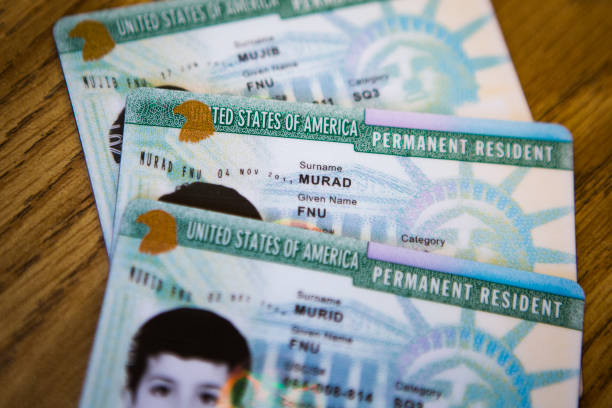
Microsoft and Adobe are among the eight technology companies facing restrictions on sponsoring skilled foreign workers for permanent residency in the United States.
The U.S. government announced the suspension on October 8, saying it was investigating alleged misuse of employment-based immigration programs.
The decision could delay green card applications for affected employees and create new challenges for companies that rely on international talent.
The suspension targets the Permanent Labor Certification process (PERM) which allows employers to sponsor eligible foreign workers for permanent residency. U.S. officials said the Department of Labor would stop accepting new applications and processing pending cases involving the affected companies.
Why the U.S. Suspended Green Card Applications
Announced at a White House Anti-Fraud Task Force event, Vice President JD Vance said the restrictions are part of the Trump administration’s broader crackdown on skilled-worker immigration, alleging that some companies have used the system to replace American workers with foreign employees who earn lower wages.
Vance particularly attacked Microsoft, accusing the company of abusing the system while laying off American workers.
Alongside Microsoft and Adobe, the suspension covers Cognizant, Infosys, HCL Technologies, Tata Consultancy Services, Wipro, and Capgemini. These companies employ skilled workers across software development, cloud computing, IT services, and other technology fields.
Cognizant had already faced a separate restriction in September, when the Labor Department’s Office of Inspector General halted its PERM applications.
Under the PERM process, employers must demonstrate that hiring a foreign worker will not adversely affect the wages, working conditions, or job opportunities of U.S. workers. Approved labor certification applications can then proceed to the next stages of the employment-based green card process.
How the Suspension Affects Microsoft
Microsoft faces a significant challenge because it is one of the largest users of the employment-based green card process. Based on data compiled by Permtrack.app, the company was the largest filer of PERM applications.
This means the suspension prevents Microsoft from submitting new PERM applications and advancing pending cases through the affected process. This also means employees relying on this route may face delays in obtaining permanent residency, although the government has not announced an end date for the restrictions.
Microsoft has disputed the criticism of its immigration practices. In a statement reported by TechCrunch, the company said approximately 80% of the 6,000 H-1B visa applications it submitted in the previous fiscal year involved extending or changing the status of existing employees. It also added that applications for new employees accounted for only 1% of its U.S. workforce.
On October 15, Microsoft President Brad Smith also warned that restricting permanent residency pathways for skilled immigrants could weaken U.S. technological competitiveness and encourage talent to move abroad. He further rejected Vance’s allegations and said Microsoft uses the same compensation system for employees regardless of immigration status.
What the Decision Means for Adobe
Adobe is facing the same restrictions on its PERM applications, potentially delaying permanent residency for employees whose cases depend on employer sponsorship.
The company develops widely used software for digital design, video editing, document management, and creative work. Skilled employees contribute to the development and maintenance of these products, making the company’s ability to recruit and retain talent an important consideration.
However, there is also no confirmed evidence that the suspension has disrupted Adobe’s product development, customer services, or financial performance.
What Happens to Affected Foreign Workers?
The suspension does not automatically cancel existing H-1B visas, which allow eligible foreign professionals to work temporarily in the United States. Instead, it blocks the affected companies from moving new and pending PERM applications through the process.
For workers seeking permanent residency, this could mean a longer wait and greater uncertainty about their long-term future in the country, as their options will depend on their individual immigration status and circumstances.
Now, the wider concern is whether restrictions on employment-based immigration will make it harder for U.S. technology companies to compete for skilled professionals, particularly as demand for expertise in artificial intelligence, cloud computing, and cybersecurity continues to grow.
