


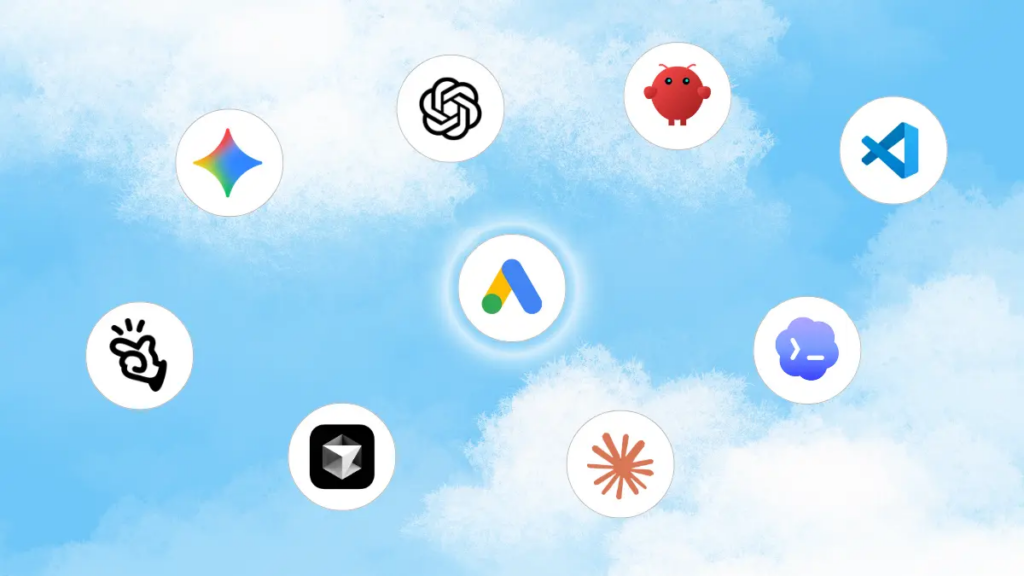
Google Home now supports outside AI agents through a new Model Context Protocol (MCP) server. The change gives compatible assistants access to connected devices and home event history.
As a result, users can ask agents to analyze activity, control hardware, and build personalized tools. The update also gives agents broader context across multiple devices, which can improve responses and task handling.
Google Opens Home to More AI Agents
On September 16, Google opened early access to Home MCP for Premium Advanced users in the United States. The server connects compatible AI agents with devices across the Google Home ecosystem. ChatGPT, Claude, Hermes, OpenClaw, and Google Antigravity can use MCP tools with the platform.
The connection covers Nest cameras, doorbells, thermostats, and compatible Matter devices. Therefore, an agent can inspect device states, review event history, and execute supported commands. In addition, users can also ask agents to summarize camera activity across rooms or track household patterns over time.
For example, an agent could identify when lights stayed on or count laundry loads during a week. It could also send an audio message through a smart speaker after completing a task.
Why the Smart Home Is Opening to AI
MCP gives AI agents a standardized way to communicate with external services and devices. Consequently, developers can connect different assistants without building separate integrations for every device category.
Moreover, Google already uses MCP across several products and developer platforms. Extending the protocol to home devices gives AI agents access to physical environments. That shift matters because agents can now combine information with actions inside the same workflow.
Taylor Lehman, Google Home and Nest’s group product manager, said Home MCP connects an agent with real-world events. That connection enables tasks that depend on information from several devices rather than one isolated command.
In addition, the model also reduces friction for users who want to switch between assistants. Instead of limiting smart-home control to one assistant, the protocol creates a common connection point.
That approach can encourage more experimentation because developers can build agent workflows around existing devices. It also separates the home platform from each assistant, giving users more flexibility.
However, Google has also placed limits around sensitive actions. Home MCP blocks actions such as unlocking doors and applies rate limits and other safety protections. Users must still review permissions because an agent can access home information and control connected devices.
What Comes Next for Connected Homes
The rollout remains limited during early access. Users need a Premium Advanced subscription, a Cloud project, and an MCP-compatible agent. They must also complete authentication and grant the required permissions before the connection works.
Meanwhile, Google plans to expand Home MCP beyond its current capabilities. Automation creation and management remain unsupported, although Google says it plans to add them later.
Ultimately, the broader significance extends beyond controlling lights or cameras inside ordinary homes and apartments today. AI agents could eventually coordinate devices, interpret household history, and complete longer tasks with less manual input. However, wider adoption will depend on reliable controls, clear permissions, and stronger safeguards as agents gain more authority.
