


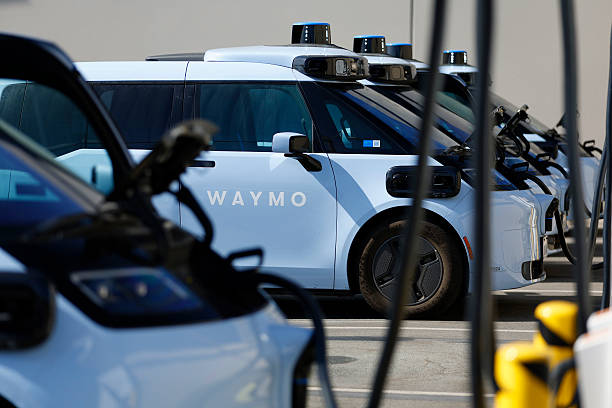
Robotaxi companies are moving autonomous vehicles from controlled trials into everyday transport, but taking that technology into a new country requires more than proving a car can drive itself. It also has to adapt to local roads, regulations, and taxi operations.
Waymo is now preparing for that next step in Japan. The Alphabet-owned company has agreed with Japanese taxi platform GO and operator Nihon Kotsu to launch a fully driverless commercial taxi service in Tokyo in 2027, with no safety driver inside the vehicle once public rides begin.
The planned service would be Japan’s first commercial Level 4 driverless taxi operation, meaning the vehicle can handle the full driving task without human intervention within approved operating conditions.
Tokyo Testing Still Has Human Supervision
Waymo is already testing autonomous vehicles on public roads in Tokyo, but those vehicles are not yet operating without people behind the wheel.
Since arriving in Tokyo in 2025, Waymo has been testing across seven wards, including Minato, Shinjuku, Shibuya, Chiyoda, Chuo, Shinagawa, and Koto. Now, while the vehicles can operate autonomously, trained Nihon Kotsu crew members still remain in the driver’s seat while Waymo validates its technology for Tokyo’s roads.
And this matters because the planned 2027 service will remove the human driver entirely, as Waymo co-CEO Tekedra Mawakana says the public service will be unmanned from its first day of operation.
Tokyo also presents conditions that differ from the U.S. cities where Waymo already operates, and the company has been adapting its system to narrow streets, dense crowds and other local driving conditions before moving to a driverless commercial service.
Waymo Wants About 100 Taxis on Tokyo Streets
The companies plan to begin with a small fleet and gradually expand to about 100 autonomous taxis across key parts of Tokyo.
Passengers will be able to request the vehicles through both the GO and Waymo apps, as GO will help connect the service with Japan’s existing taxi industry, while Nihon Kotsu will manage local operations and taxi depots.
The launch is not guaranteed for a specific date yet, because the service still depends on approval from national and local authorities, as well as the completion of safety and operational validation.
Why Tokyo Matters for Waymo
Tokyo represents a major test of whether Waymo can transfer a robotaxi system developed largely in the United States into a different transport market.
Waymo began its Tokyo work in 2025, marking its first public-road operations outside the United States. As such, the planned commercial launch would push that expansion further by turning those supervised tests into a paid driverless service.
It also arrives as Japan faces a shortage of taxi drivers linked to its ageing and shrinking population. And Waymo, GO, and Nihon Kotsu have presented autonomous taxis as one possible way to support the existing transport network alongside conventional taxis.
