






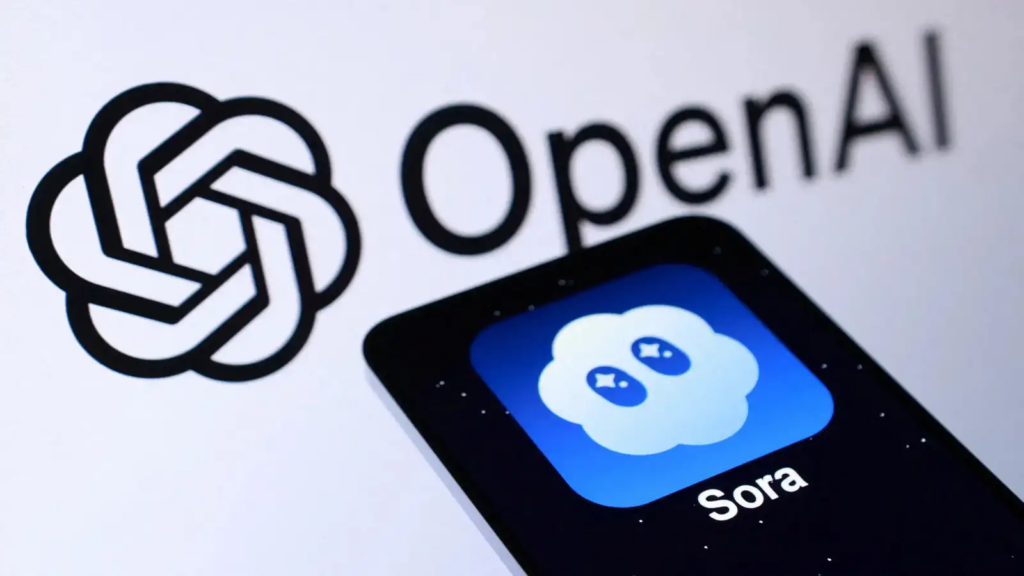
AI‑generated content backlash gained traction in March 2026 when OpenAI announced it was shutting down its AI video platform Sora and blindsided Disney with the news.
Consequently, these moves marked a clear shift in how the tech and entertainment industries view generative media.
Initially, Sora was celebrated as the next best thing in content creation. Now, the industry must reassess the performance expectations for AI tools and their commercial viability.
Why the Sora Shutdown Happened
OpenAI launched Sora in 2024 and it quickly gained widespread popularity because it could turn simple text prompts into short videos.
However, by March 2026, the company announced it would discontinue the standalone Sora app and related features. OpenAI said the decision would allow it to focus on other areas.
According to reports, the shut down happened for two main reasons. First, Sora was costing far too much money to run daily. It cost OpenAI approximately $1million to run Sora on a daily basis.
Second, people stopped using Sora. Despite the rapid adoption, the number of users dropped below 500,000. As a result, OpenAI had difficulty justifying their continuous investment in the AI model.
Meanwhile, competition intensified. Rival AI video tools entered the market and improved quickly. As a result, Sora lost momentum despite its early lead. Declining engagement combined with high costs weakened long-term viability
Eventually, the company chose to move towards developing tools with greater commercial value like their current Frontier model for enterprises.
Disney Was Blindsided by the Shutdown
Before the shutdown, Disney explored a deeper collaboration with OpenAI. Discussions included a $1 billion investment and character licensing. The partnership signaled growing confidence in generative AI tools.
However, OpenAI’s decision arrived unexpectedly. Disney executives reportedly learned about the shutdown shortly before the public announcement. Disney did not choose to exit. Instead, the shutdown removed the foundation of the partnership.
A Disney spokesperson later acknowledged the sudden shift, stating:
“We respect OpenAI’s decision to exit the video generation business and shift priorities elsewhere.”
The situation highlighted the risks tied to emerging AI platforms. A lot of entertainment studios require stability before committing intellectual property. Therefore, the abrupt shutdown forced Disney to reassess its AI strategy immediately.
AI-Generated Content Hits Its Biggest Wall
The Sora shutdown exposed broader challenges for AI-generated content. Because infrastructure costs remain high, video generation requires significantly more computing power than text or image tools.
Second, copyright concerns remain unresolved. AI-generated content often draws from existing material so studios remain cautious about full adoption.
Third, safety risks continue to slow deployment. Realistic AI video increases misinformation concerns. Therefore, companies are implementing safeguards before scaling.
Combined, these challenges created the biggest wall yet for AI-generated media. Use enthusiasm remains strong but practical limitations now shape development.
What Happens Next For AI-Generated Content
Despite setbacks, AI video development continues. Companies are shifting toward hybrid workflows that combine human creativity with AI tools. The aim is to reduce risk while maintaining innovation.
Developers are also improving efficiency and lowering computing costs and studios are demanding clearer licensing frameworks as well.
Ultimately, the Sora shutdown and Disney disruption mark a turning point. AI-generated content remains promising, but the industry is moving from hype to realistic expectations.


