






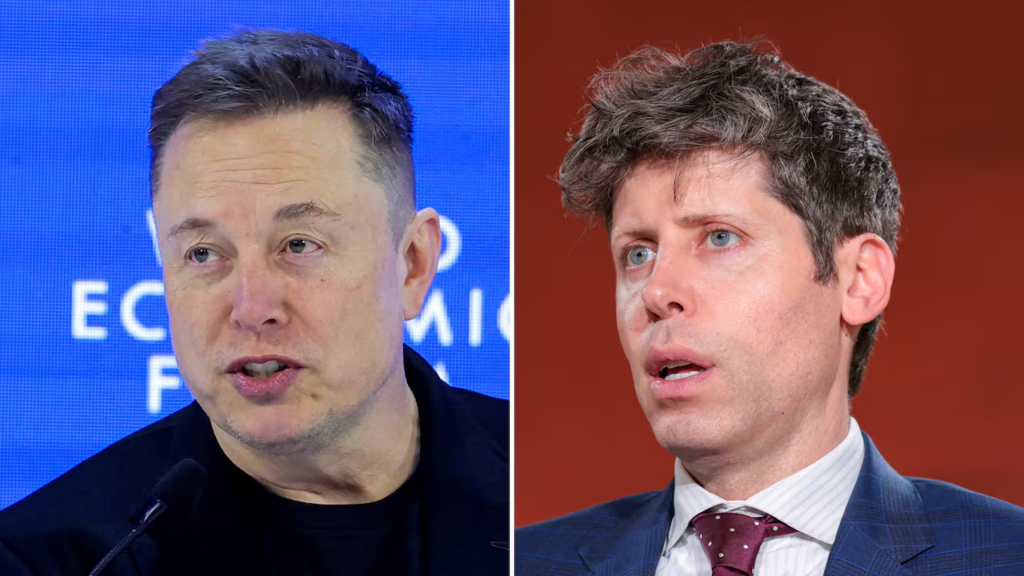
The Musk vs Altman trial has moved a private dispute into a public courtroom. This puts one of the most influential AI companies under direct scrutiny from the tech industry and regulators.
As a result, the trial now focuses on how OpenAI developed and who influenced its direction. It brings Elon Musk and Sam Altman into direct opposition over decisions that were once internal but now carry wider consequences.
How the Dispute Began
At the beginning, Elon Musk and Sam Altman co-founded OpenAI. They planned to build artificial intelligence solely for public benefit. The organization began as a nonprofit so it focused on open research and shared progress.
As OpenAI grew, it added a for profit arm. It also formed a major partnership with Microsoft. This major change created conflict over control and direction of the company.
In 2018, Musk left the company after these disagreements. He now argues in filings that OpenAI has “strayed from its original mission.”
However, OpenAI rejects that claim. It says its structure supports long term development and scalability.
The Real Stakes Behind the Musk vs Altman Trial
At the moment, the case centers on whether those changes conflict with OpenAI’s founding purpose. Musk is not only challenging past decisions but also seeking damages and changes to how the company operates.
More importantly, the outcome could influence how AI companies define their responsibilities as they grow. It raises the question of whether early commitments can limit how a company evolves.
At the same time, OpenAI defends its position by pointing to the scale of the technology. The company has stated that building advanced AI systems requires “enormous capital and computing power.”
OpenAI vs Musk on Artificial Intelligence Direction
Beyond the legal claims, the trial also exposes a clear divide in how AI should develop. On one hand, Musk supports a more open approach and continues to warn about the risks of concentrated control.
On the other hand, OpenAI follows a more restricted approach. It limits access to advanced systems and relies on partnerships to fund progress. According to the company, controlled release helps manage risks while allowing development to continue.
Power, Profit, and Safety
Taken together, these differences point to a larger tension within the industry. One approach emphasizes openness and caution, while the other focuses on scaling systems through structured funding and controlled access.
Because of this, the Musk vs Altman trial goes beyond a single company. Musk argues that OpenAI moved away from its founding purpose. OpenAI responds that its approach allows it to build systems that operate safely at scale.
Why This Matters
Ultimately, the outcome of this trial could shape how AI is governed in the future. It may also influence company structure and control over advanced systems.
More importantly, it will test where authority over artificial intelligence actually sits as the technology becomes more powerful and widespread.


