






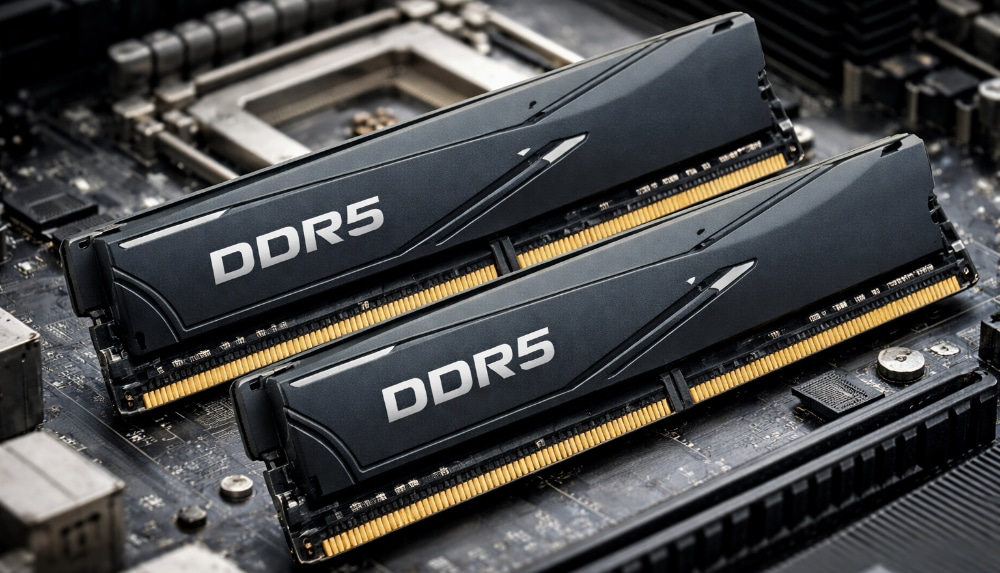
DDR5 RAM prices are rising quickly and this is already affecting the cost of everyday devices. If you plan to buy a laptop, build a PC or upgrade a server, you will likely pay more than you would have a few months ago.
This is happening because memory is one of the main components inside every system. When its price increases, the total cost of the device also goes up. To understand the situation properly, let’s break it down step by step.
What is Driving the DDR5 Price Surge?
First, demand for memory has increased sharply. This is largely driven by artificial intelligence systems.
AI servers need large amounts of high-performance memory to handle data processing. Because of this, companies building these systems are buying memory in very large volumes.
At the same time, manufacturers are focusing more on supplying these high-demand segments. This reduces the amount of memory available for regular consumer devices.
However, supply is not increasing at the same pace. Expanding production takes time and existing capacity cannot immediately meet rising demand. Because of this, prices will continue to move upward.
From Data Centers to Desktops: Who Gets Hit First?
Another important thing is how the impact of the surge spreads. Large companies buy memory in bulk and secure supply early. This gives them priority access.
Because of this, PC manufacturers often get what is left. When supply becomes tighter, they have to pay more to secure memory.
However, that increase does not stay at the manufacturing level. It moves through the supply chain and eventually reaches consumers. This is why device prices begin to rise after pressure builds at the enterprise level.
The Real Cost of DDR5 RAM
As a result, the effect is already visible in the market. DDR5 RAM prices have increased significantly in recent months.
If you are building a PC, you will notice that memory now takes up a larger portion of your budget. If you are buying a laptop, the higher memory cost is already included in the final price.
The impact is even stronger for servers. Memory is a major part of server hardware, so higher RAM prices lead directly to higher total system costs.
Because of this, businesses that plan to expand their infrastructure are now facing higher expenses than before.
How Long Will Prices Stay High?
At the moment, it’s hard to tell. The demand for memory is expected to remain strong, especially from AI and data centers. At the same time, increasing supply will take time.
As a result, prices are likely to stay high for a long time rather than drop quickly.


