






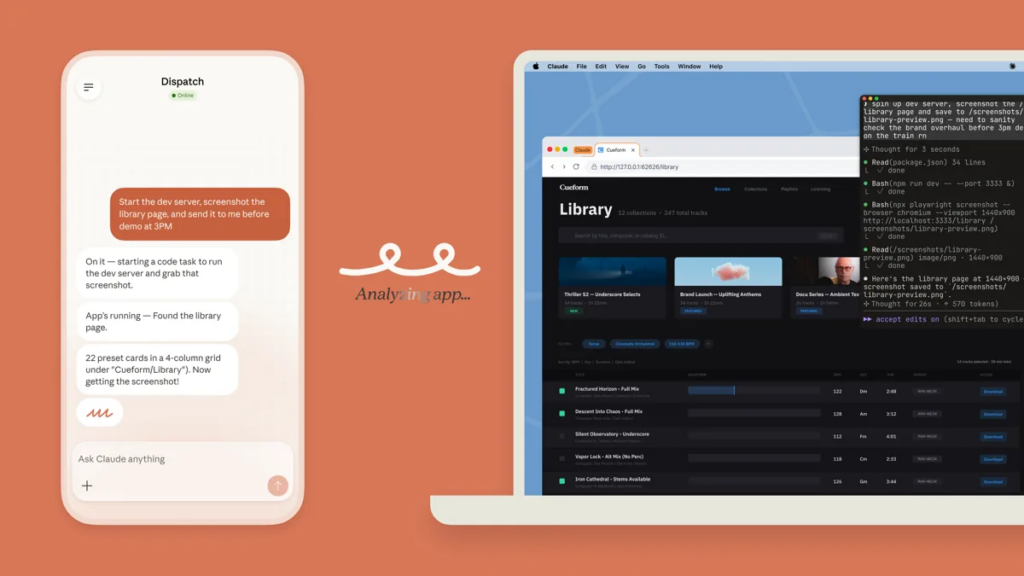
The new Claude automation features have transformed the chatbot into a persistent, self working team member. Until now, corporate workflows required humans to manually input prompts inside isolated user windows.
Because of this, data silos formed and operations halted when a user logged off. On the 23rd of June 2026, Anthropic resolved this operational bottleneck by launching a shared infrastructure framework called Claude Tag.
Collaborative Workspaces and Claude Automation Features
Instead of restricting the model to private text windows, enterprises deploy Claude directly into public Slack channels. As a result, the AI operates as a visible, multi-user teammate within a unified workspace.
When an executive delegates a project to the channel, every team member tracks the execution steps synchronously. Furthermore, this transparency allows multiple employees to audit, hand off, or resume active operations without losing contextual data.
Background Workers and Self-Correcting Tasks
While human employees focus on clients, the system executes multi-day back-office tasks independently using background automated tools. Administrators turn on background execution through a simple ambient mode.
In addition, ambient activation allows Claude to watch project channels over several days, update schedules, and flag late tasks automatically. Similarly, developers use a loop command to let the AI write, test, and fix code errors continuously.
Scaling Enterprise Data via Claude Automation Features
Beyond basic messaging, automated systems connect deeply into core company files. Recent corporate reports show that Anthropic’s internal engineering group generates 65% of its production code using Claude.
Moreover, high efficiency occurs because the model safely attaches to approved corporate databases to build a long-term memory. Therefore, the system pulls facts straight from company records without requiring humans to repeat instructions.
Regulatory Realities and the Infrastructure Base
However, building an automated business requires a stable plan amidst sudden technical and political changes. Anthropic upgraded its network to newly released Opus 4.8 and Sonnet 4.6 models to handle heavy background workloads.
Hence, smart companies must anchor their automated business tasks within a specific, accessible flagship model tier. By doing so, corporations ensure steady daily operations while international tech trading laws for newer models stabilize.
Guardrails, Budgets, and the New Manager
Finally, turning on independent AI workers requires a complete change in company budget rules and security habits. Anthropic shifted commercial pricing on June 15, 2026, moving automated workflows off flat monthly subscription fees.
Instead, background systems draw money dynamically from a pay-as-you-go dollar credit pool based on processed data. Ultimately, the manager becomes an architect who caps budgets, limits folder access, and checks automated business outputs.


