






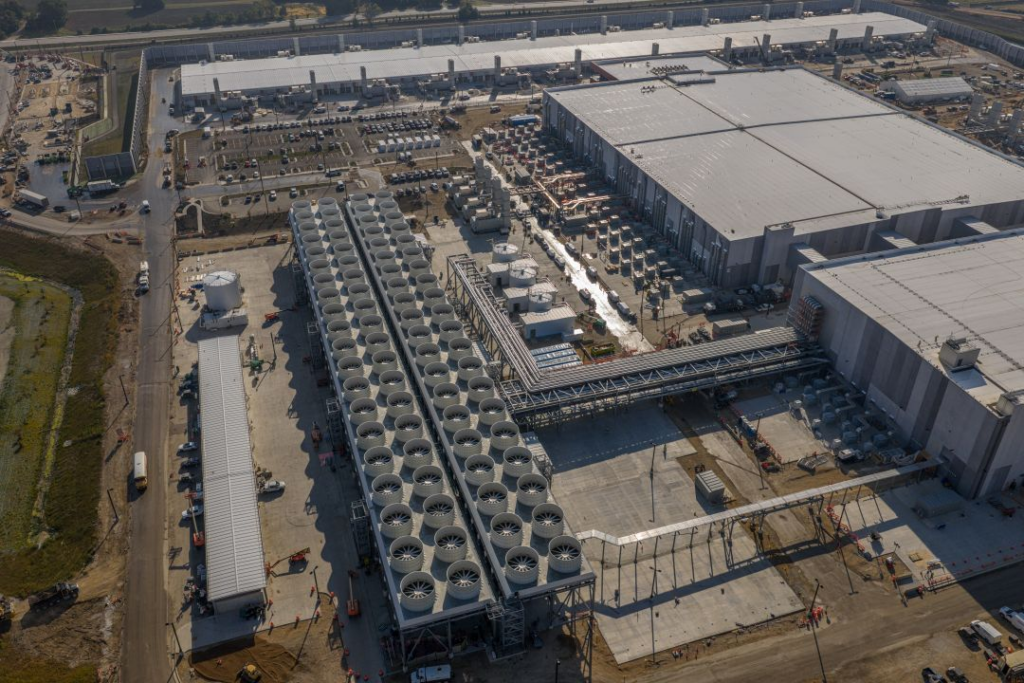
AI data centers have now become the newest pressure point for electricity grids all over the world. However, the biggest surprise is not the increasing energy demand.
It is the major pushback from homeowners, utilities, lawmakers, and even parts of the data center industry.
AI Data Centers Have Outgrown the Modern Electric Grid
Artificial intelligence depends on massive computing power. Because of this, every new data center increases electricity demand. Utilities now need new power plants, substations, and transmission networks far faster than planners expected.
In addition, recent forecasts show that AI is driving a sharp rise in electricity demand as new facilities come online. Meanwhile, major grid upgrades often require years to complete. As a result, available resources struggle to keep up with the rate of AI expansion.
The challenge no longer revolves around building larger facilities. Instead, developers increasingly compete for access to dependable energy supplies.
The Backlash Is No Longer Just About Climate
At the moment, public concern has shifted beyond carbon emissions. Many communities now worry about electricity costs, water use, and who should finance new infrastructure.
A recent Reuters/Ipsos poll found that 64% of Americans oppose building more AI data centers in their communities. Additionally, 77% worry that rising electricity demand could increase household utility bills.
Consequently, lawmakers have started questioning whether technology companies should cover more grid upgrade costs instead of shifting expenses to ratepayers. Also, water consumption has become another major concern, especially in regions already facing supply challenges.
Local Communities Are Pushing Back Against New Projects
Now, unexpected opposition comes from neighborhoods across the country. Residents are increasingly challenging new projects through zoning hearings, permit reviews, and local campaigns.
In addition, many argue that large facilities consume significant electricity and water while delivering fewer long-term local benefits than expected. Therefore, several communities have delayed or reconsidered proposed developments until officials complete additional reviews.
For many residents, data centers have become the most visible symbol of AI’s rapid expansion. Consequently, local disputes increasingly reflect broader concerns about artificial intelligence.
Even the Industry Is Warning the Boom Cannot Continue Unchecked
Surprisingly, some of the strongest warnings now come from inside the industry. Established data center operators argue that speculative projects have crowded grid connection queues and slowed viable developments.
Meanwhile, utilities continue balancing AI demand with reliable service for existing customers. In addition, industry leaders increasingly agree that available power has become a greater obstacle than investment capital.
As a result, companies can no longer assume dependable electricity will remain available wherever they choose to build.
The Future of AI Data Centers Depends on Smarter Energy Infrastructure
Technology companies already recognize that future growth depends on stronger energy systems. Therefore, many firms now invest in efficient cooling, flexible computing schedules, and alternative power sources.
Even so, new infrastructure requires years of planning and construction. Until grids expand, energy availability will remain one of AI’s greatest constraints.
The industry’s greatest obstacle no longer sits inside a server rack. Ultimately, it stands outside the data center. Here, communities, utilities, and policymakers decide how much AI growth the grid can support.


