


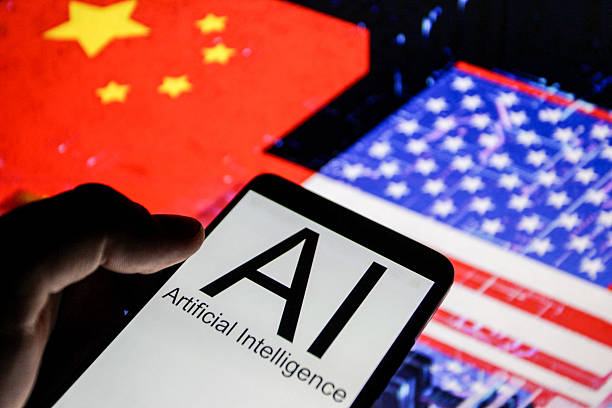
The U.S. says it has found signs that some Chinese AI models may contain “watermarks” linked to American AI systems. According to Treasury Secretary Scott Bessent, these findings have raised concerns that some companies may have used American AI models through unauthorized distillation.
While these claims have prompted Washington to review whether intellectual property laws were violated, it hasn’t resulted in formal action. But this has added another point of tension in the growing AI rivalry between the U.S. and China.
What’s behind the claim?
- Bessent said U.S. officials have identified what he described as watermarks from American large language models (LLMs) inside several Chinese AI models.
- These remarks were made after Chinese startup Moonshot AI released Kimi K3, a powerful open-weight AI model that quickly drew attention across the industry.
- His comments also followed reports that Anthropic had written to the Senate Banking Committee alleging that Alibaba engaged in large-scale AI model distillation using American technology.
- Bessent, however, did not identify the companies involved or release technical evidence supporting his claim. But he says the Trump administration is now reviewing the findings and considering what steps, if any, should follow.
- In AI, a watermark can refer to identifiable patterns that researchers use to determine whether one model may have learned from another model’s outputs. Experts, however, say these signals alone do not prove intellectual property theft.
Why does it matter?
- These allegations could affect how governments worldwide enforce AI export controls and intellectual property protections.
- Washington, specifically the Trump administration, has spent years restricting China’s access to advanced AI chips and other technologies. This means if American AI models are still influencing Chinese systems, officials may question whether existing controls are working.
- The issue also puts fresh attention on model distillation, a technique that allows smaller AI models to learn from larger ones. While the method is widely used across the industry, companies have challenged its use when proprietary models are involved.
- The dispute comes as the U.S. continues to tighten restrictions on advanced AI chips and other technologies bound for China. While those export controls are separate from the current allegations, both reflect Washington’s broader effort to protect its AI leadership.
What happens next?
- The U.S. government has not announced sanctions or legal action based on the claims.
- Officials are expected to continue reviewing the evidence before deciding whether further action is necessary.
- Chinese AI companies have not been formally accused of wrongdoing based on the reported watermarks.
The investigation is still in its early stages. Regardless of the outcome, the dispute shows that governments are paying closer attention not only to who builds leading AI models, but also to where the technology behind those models comes from.
