


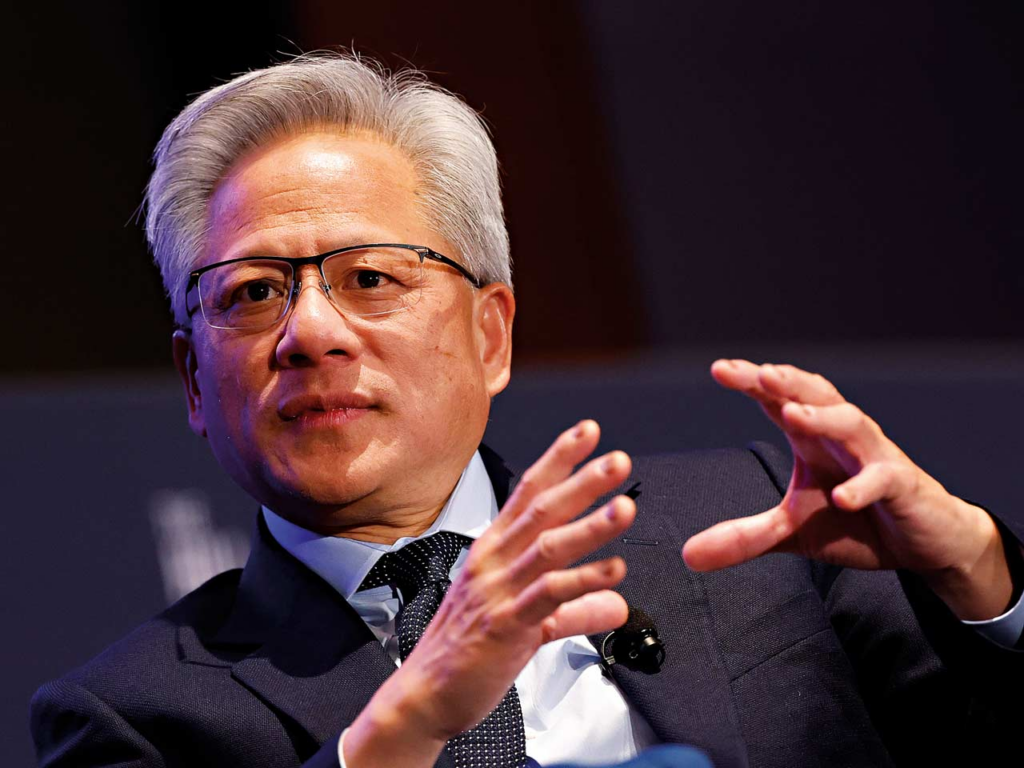
Nvidia shocked global markets when co-founder Jensen Huang abruptly resigned as chief executive officer on November 12, 2026. Consequently, his sudden departure ended a thirty-three-year tenure and plunged the dominant artificial intelligence chipmaker into turmoil.
The board immediately appointed Chief Financial Officer Colette Kress as interim chief executive to stabilize daily operations. However, eleven days later, directors reversed course and unanimously reinstated Huang after intense pressure from President Donald Trump.
Espionage Allegations and Boardroom Fallout
Investigations into workplace misconduct and foreign intelligence risks directly triggered the initial executive shakeup. Specifically, media reports exposed Huang’s extramarital relationships with two subordinate employees, including healthcare vice president Kimberly Powell.
Furthermore, federal officials suspected Chinese intelligence operatives targeted Huang through a relationship with Singaporean executive Alice Huang.
Because her firm, Megaspeed, purchased advanced processors, the Justice Department launched a criminal chip-smuggling investigation. As a result, board chair Harvey Jones initially announced that directors would never reinstate the veteran founder.
Behind the Ouster and Reversal
Political intervention and fears of economic slowdown ultimately drove the board’s dramatic change of heart. First, President Trump lobbied directors directly and dispatched Vice President JD Vance to argue for Huang’s return.
Meanwhile, Arm chief executive Rene Haas rejected recruitment overtures and extended his contract through 2033. Because viable replacements vanished, directors met with Huang and accepted reassurances from federal officials regarding national security. Therefore, Nvidia restored Huang to his executive roles and board seat on November 23.
Governance Risks and the Road Ahead for Nvidia
The abrupt reversal sparked severe criticism from corporate governance specialists and triggered immediate regulatory scrutiny. For instance, Joint Venture Silicon Valley president Russell Hancock condemned the board’s choice as bad business practice. Hancock questioned how directors can assure shareholders when their top leader no longer merits public trust.
Additionally, investors worry about extreme key-person dependency at Nvidia because Huang refuses to establish a formal succession plan. To address these vulnerabilities, directors created a National Security and Export Control Oversight Committee.
Moreover, Nvidia launched an executive search for a dedicated Chief Compliance Officer to strengthen internal accountability. Simultaneously, the company continues cooperating with federal authorities while its independent board inquiry proceeds toward completion.
Looking ahead, Nvidia faces intense congressional oversight and lingering questions about executive accountability. On December 3, Huang will testify before the Senate Banking Committee regarding export controls and national security.
Ultimately, Nvidia must prove that robust corporate governance can match its technological dominance in artificial intelligence. If directors fail to enforce strict compliance, future leadership shocks could threaten shareholder value across global markets.
