


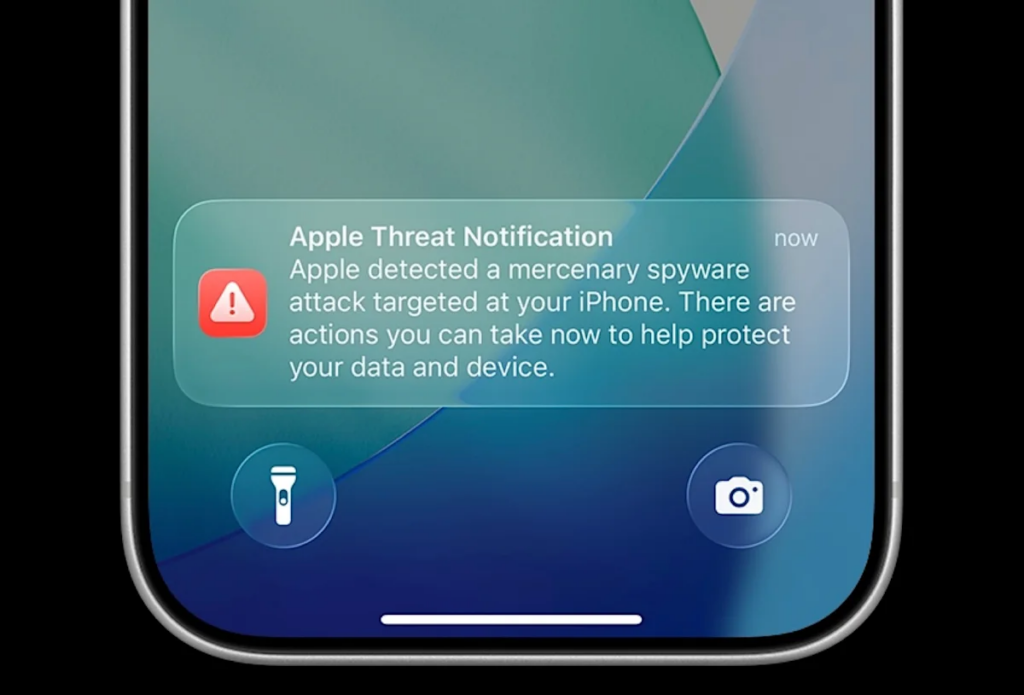
Apple has sent mercenary spyware warning notifications to iPhone users across 110 countries, and the scope is historic. On August 13, 2026, the company confirmed one of its largest security actions to date.
These alerts are not routine, they signal targeted attempts by government‑grade spyware to compromise devices. If you received one, you must act immediately. If you did not, you still need to understand the risk and prepare.
The Spyware Alerts You Can’t Ignore
Apple delivered notifications directly to lock screens, Settings, and email accounts. By doing so, the company ensured no one overlooked the warning. The alerts point to mercenary spyware, including Pegasus and Graphite, which governments and contractors use to monitor high‑value individuals. Journalists, activists, politicians, and diplomats often face these attacks. Apple emphasized that the warnings rely on high‑confidence signals, not speculation.
As a result, the notifications represent more than technical alerts. They highlight a growing global problem. Meanwhile, the scale of the warnings shows how widespread surveillance campaigns have become.
What the Apple Warning Means for You
If you received a notification, act quickly. First, verify it at account.apple.com, genuine alerts appear at the top of your account page. Then, enable Lockdown Mode under Privacy and Security. Because Apple reports no spyware attack has bypassed Lockdown Mode, this step is critical.
After this, reach out to expert help such as Access Now’s Digital Security Helpline, available around the clock.If you did not receive a notification, you remain unlikely to be targeted. Nevertheless, you should update your iPhone to the latest iOS version.
Strong passwords and two‑factor authentication add further protection. Meanwhile, avoiding suspicious links reduces exposure to rare but costly attacks. Whether you received a warning or not, awareness and preparation remain essential.
The Bigger Battle Against Mercenary Surveillance
Mercenary spyware can access encrypted messages, photos, and location data. It can even activate microphones and cameras without consent. Apple has now notified users in more than 150 countries since 2021, showing the global reach of surveillance campaigns.
Moreover, civil society groups argue that misuse of spyware undermines democracy and human rights. Amnesty International and others continue to push for bans or moratoriums on invasive surveillance tools. In contrast, Apple deliberately avoids naming attackers or technical triggers. The company wants to prevent spyware developers from adapting quickly.
Instead, Apple focuses on protecting users and raising awareness. Each round of notifications uncovers broader scandals, often revealing government misuse of spyware during sensitive periods like elections.
Looking ahead, Apple will continue issuing multiple rounds of notifications each year. The company also strengthens device security through features like Lockdown Mode and faster iOS patches. For individuals, the future means tighter personal security habits and greater reliance on digital rights groups for emergency support.
