






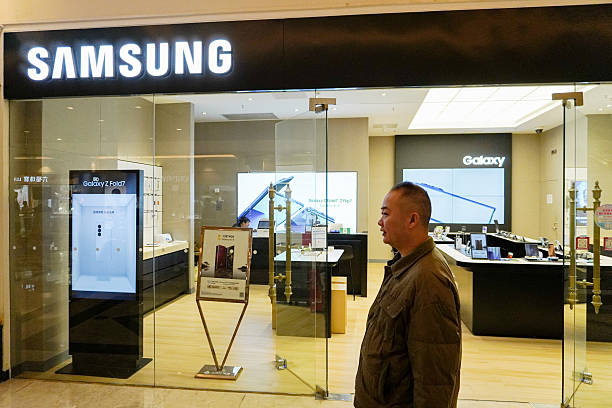
Samsung Electronics is preparing to double manufacturing of its smartphones and tablets powered by Google’s Gemini AI starting in 2026, moving from 400 million units to 800 million units.
The South Korean tech giant confirmed the partnership during its annual investor briefing last week, revealing plans to embed Google’s multimodal AI platform across its flagship Galaxy lineup by the second quarter of this year.
The collaboration represents a departure from Samsung’s previous AI strategy, which relied heavily on its own Bixby assistant and proprietary machine learning tools. Under the new agreement, Google’s Gemini will handle complex tasks like real-time language translation, advanced photo editing, and context-aware scheduling, while Samsung’s existing software will manage device-level functions and user interface elements.
Industry analysts say the move positions Samsung to compete more directly with Apple’s line of devices.
The devices will feature dedicated neural processing units capable of running Gemini’s lightweight models directly on the phone, reducing reliance on cloud computing for everyday AI tasks. Samsung claims this approach will improve response times and address privacy concerns that have slowed consumer adoption of AI-powered features. As such, users will be able to process sensitive data, like personal photos or health information, without sending it to external servers.
Google will provide regular model updates through its existing Android infrastructure, similar to how security patches are currently distributed. Samsung plans to differentiate its implementation through custom interfaces and integration with its SmartThings ecosystem, allowing Gemini to control connected home devices and learn user preferences across multiple products.
The announcement comes as the global smartphone market shows signs of recovery after two years of declining sales. Research firm Counterpoint estimates that GenAI-supported smartphones will account for roughly 40–43% of global smartphone shipments by 2027, which further creates substantial revenue opportunities for manufacturers who adapt quickly.
Challenges That Lay Ahead
There are practical challenges ahead, with battery life remaining a critical concern when running large language models locally even with optimized hardware.
The timeline also presents manufacturing complexities. Producing devices with specialized AI chips requires coordination across Samsung’s semiconductor division and its mobile unit, both of which operate on different development cycles.
Additionally, privacy advocates have raised questions about data handling in the partnership. While Samsung emphasizes on-device processing, some Gemini features will still require cloud connectivity to function fully. The company stated it will provide granular controls allowing users to choose which AI features can access network resources and which must operate entirely offline.
The broader implications extend beyond smartphones. Samsung is exploring similar AI integrations for its smart TVs, refrigerators, and wearable devices, potentially creating an ecosystem where Gemini acts as a universal assistant across all Samsung products.
“We will apply AI to all products, all functions, and all services as quickly as possible,” T.M. Roh had asserted back in November last year.


