


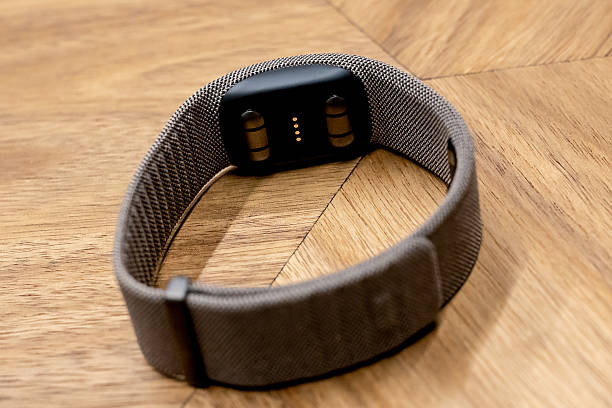
Meta Neural Wristband is now in the hands of everyday consumers, a wrist-worn device that reads users muscle signals and turns them into commands for their glasses, with no screen tapping or voice shouting required.
The Meta Neural Band uses a technology called surface electromyography, or sEMG, to detect the electrical signals muscles produce movement in fingers. Subtle movements like a thumb swipe, a pinch, or a twist of the wrist, get translated into commands that control the paired Ray-Ban Display glasses.
The band doesn’t require any camera to track the hand, and it works even when the hands are out of sight or in low light. Meta trained the system using data from nearly 200,000 research participants, which is why the band works out of the box for most users without any personal calibration.
This is a feat that’s genuinely difficult given how much muscle structure varies from person to person. Reviewers at UploadVR have reported a very high recognition success rate during their hands-on sessions, describing the experience as feeling close to effortless.
What Users Can Do With Meta Neural Wristband
Right now, the Neural Wristband is set up to handle four core gestures tied to the Ray-Ban Display – toggling the display on and off, scrolling through content, going back to menus, and adjusting volume by pinching and rotating the wrist as though turning a dial.
Meta has also announced the rollout of two new features at CES 2026: a teleprompter mode that displays scripts in the glasses’ lens for public speakers, and an EMG handwriting tool that lets users compose messages by tracing letters in the air with their fingers. Neither of these requires users to touch their phone or the glasses themselves, which is the core idea behind the whole product.
Beyond the Glasses: Cars and Accessibility
Meta did not build the Neural Wristband just to stop at smart glasses as the only usability. At CES 2026, Meta partnered with Garmin to demonstrate a proof of concept where passengers in a vehicle can navigate the car’s infotainment system using wrist gestures alone.
Garmin, which builds in-car systems for brands including BMW, Mercedes-Benz, Toyota, and Honda, showcased this inside its Unified Cabin setup. The demo was early-stage, but Garmin has stated plans to explore using the band for more practical vehicle controls like rolling down windows and unlocking doors.
On the accessibility front, Meta announced a research collaboration with the University of Utah to test how the Neural Band can serve people with ALS, muscular dystrophy, and other conditions that limit hand mobility. The technology is sensitive enough to pick up residual muscle activity in the wrist, even from users who cannot fully move their hands, and researchers are exploring how it could enable control over smart home devices, mobility aids like the TetraSki, and other everyday tools.
The Bigger Picture
Meta Neural Wristband represents four years of development rooted in Meta’s 2019 acquisition of CTRL Labs, a company that specialized in neural interface technology. What’s notable is that the product exists and actually works consistently for a wide range of users right out of the box, which is a bar that previous attempts at gesture-based control have consistently failed to clear.
The glasses it currently pairs with have their own limitations with the display being projected into only one eye. However, the wristband itself is drawing the most attention from both reviewers and industry analysts, and Meta, who has been bullish about AI integration, is clearly treating it as the foundation for something much larger than a single product launch.
