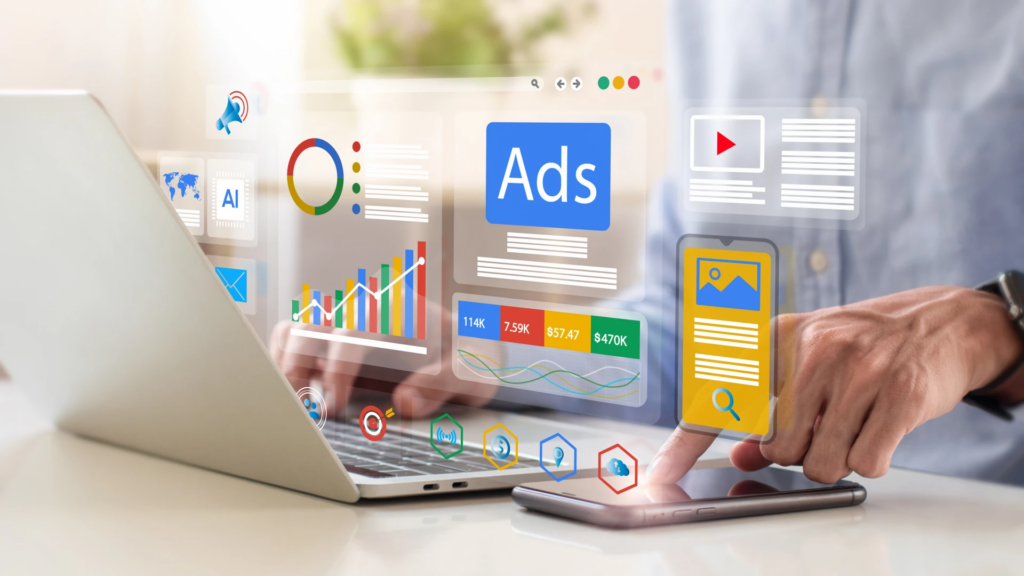
Google has always shaped the future of digital advertising and what the company is doing right now goes beyond its usual updates. It is building an entirely new advertising infrastructure where AI does all the work. AI tools will be used to generate the audio, write the content, place the ads and target the audience with just a prompt.
For years, digital advertising was traditional with brands buying placements so users can see which will then in turn generate revenue. All that has changed with this new development. Artificial intelligence is now the engine driving how ads are made, placed and heard. The brands that pivot early will definitely hold an advantage over everyone else still using archaic methods.
Inside Lyria 3: How Google’s New AI Music Generator is Opening the Door to Audio Ads
At the center of this shift sits Lyria 3, Google’s latest AI music generator developed in collaboration between developers at Gemini and Google DeepMind. It powers the “Dream Track” feature for YouTube Shorts, enabling creators to generate royalty-free, customized soundtracks.
Beyond creators, advertisers are also making use of this innovation. Brands are now producing on-brand audio in minutes without studio costs or licensing fees. Companies used thousands on producing audio content but this changes everything.
The Copyright Question Nobody Is Answering Yet: AI Audio and Legal Gray Zones
The opportunity is real, but so is the risk. As of early 2026, copyright law for AI-generated music remains unresolved. A commercial licensing ecosystem is starting to take shape, but no clear legal framework exists yet.
Still, the efficiency gains are too big for most companies to sit on the sidelines. Brands that move now just need to do so carefully. But one thing is certain. The law will catch up, it always does.
From Search Bars to Conversations
Beyond audio, Google is also changing where and how ads appear in search. Instead of just typing single keywords, users can now hold multi-turn conversations with Google. This significantly improves visibility for a lot of brands.
As a result, Google’s AI mode now places ads inside AI generated responses, not just beside them. They surface when they match the conversation, making them feel more like relevant suggestions instead of interruptions.
AI-Native Creative: How Google Is Putting Studio-Quality Ad Production in Every Marketer’s Hands
On top of new ad formats, Google is making it easier for any brand to produce high-quality ads fast. Tools like Nano Banana, Veo 3, and AI Max let marketers create studio-grade assets in minutes and automate campaign optimization at the same time.
Consequently, a small team can now perform tasks that used to take an entire agency. It also levels the budget field for smaller brands.
What This Means For Brands Going Forward
When taken together, all these moves point towards one clear direction. Ads are moving from traditional methods and towards AI generated content with google facilitating this change. Google is shortening the distance between a user’s question and a brand’s products.
Ultimately, brands that start adapting noe by building AI-native strategies and creating new formats will lead this new era. Those that wait will definitely find themselves playing catch up as time goes on.