


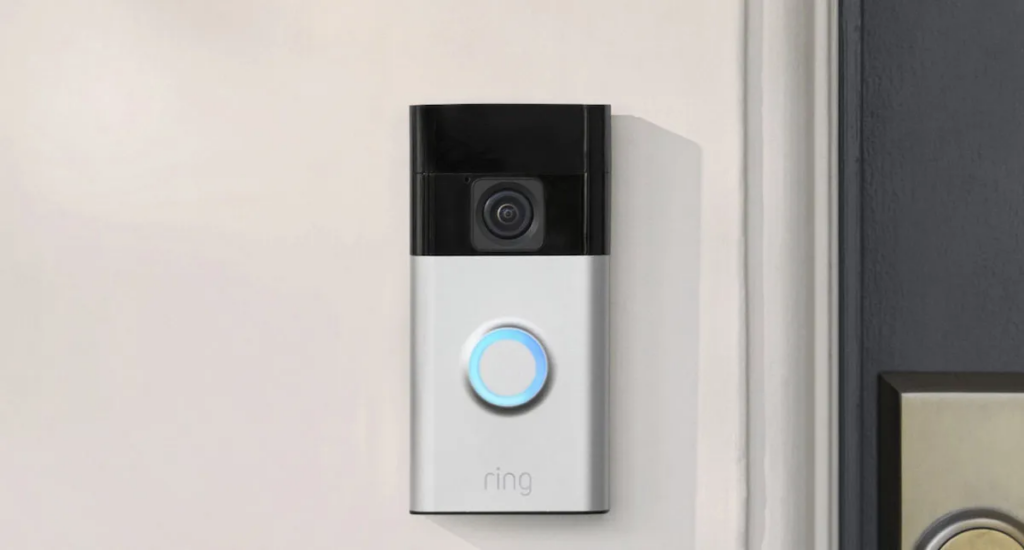
Amazon Ring facial recognition is rolling out across the US in 2026 and most people have no idea that their faces are being scanned.
The new feature is called Familiar Faces and goes far beyond motion detection. Here is what it does, how it works, and what you need to know before you enable it.
Amazon Ring Facial Recognition: More Than Motion Detection
Until recently, Ring cameras told you someone was at the door. Now they tell you who. Ring cameras have evolved from simple motion alerts to learning faces and names of people.
So instead of a ping, you now get a message like “Mom at Front Door.” To make that happen, the system catalogs up to 50 faces and the owners label them in the Ring app with names like “Mom” or “Neighbor.”
How Amazon Ring Facial Recognition Works
The process starts the moment someone walks up to your camera. First, the camera detects a face and captures the structure. Then, it sends that data to Amazon’s cloud servers. There, a machine learning model compares it against your saved profiles. If it finds a match, it sends an alert straight to your phone.
Once the camera knows who you are, you can tell it to stop sending repeated alerts. As for unrecognized faces, unnamed faces stay stored for 30 days before the system deletes them. Named faces stay saved until you remove them manually.
Three Reasons to Think Twice
The convenience is great but there are real problems worth considering.
For a start, there’s no consent. Anybody can be captured and have their data uploaded, all without them knowing about it.
Beyond that, Senator Ed Markey wrote to Amazon’s CEO urging the company to discontinue the feature. He warned that Amazon released it without any meaningful privacy protections.
The most concerning aspect is Amazon placing the legal burden on device owners to comply with local consent laws.
But Here’s the Other Side
Currently, not everyone thinks the update is a problem since it’s not automatic and users have to be the ones to choose it.
Furthermore, once the camera recognizes someone, owners can tell it to ignore that person and stop sending repeated alerts. Also, anyone tagged as familiar can later be deleted along with their biometric data so there’s still a level of control for the owners.
Is Amazon Ring Facial Recognition Worth the Risk?
Illinois, Texas, and Portland, Oregon answered with a firm no and blocked the feature outright because their laws require consent before scanning anyone’s face. Amazon proactively disabled Familiar Faces in all three areas.
Still, those protections do not reach most Americans. As of March 2026, 20 states have some biometric privacy laws but most rely on state enforcement rather than a private right of action which leaves most people with little legal recourse.
Ultimately, Amazon Ring facial recognition offers real convenience. Whether that convenience is worth the cost to everyone else remains to be seen.
